Top 10 Membrane Air Diffuser Options for Global Buyers?
In the world of water treatment and aquaculture, the Membrane Air Diffuser plays a crucial role. According to industry reports, the global market for membrane diffusers is projected to grow significantly, reaching USD 1.2 billion by 2025. This growth is driven by increasing demand for sustainable and efficient aeration solutions. Membrane air diffusers offer enhanced oxygen transfer efficiency, which is vital for promoting healthy aquatic ecosystems.
However, selecting the right diffuser can be challenging. Various options exist, with distinct features and operational efficiencies. Research indicates that not all diffusers deliver the same performance. For instance, some models struggle to maintain uniform air distribution, leading to inefficient oxygen delivery. As global buyers navigate this landscape, understanding the nuances of each option becomes essential.
Choosing a Membrane Air Diffuser requires careful consideration of materials, design, and application. While many manufacturers claim high efficiency, it’s essential to evaluate long-term reliability and maintenance needs. Balancing cost-effectiveness with performance can be a complex task. Buyers must reflect on their specific needs and available technologies to make informed choices in this evolving market.
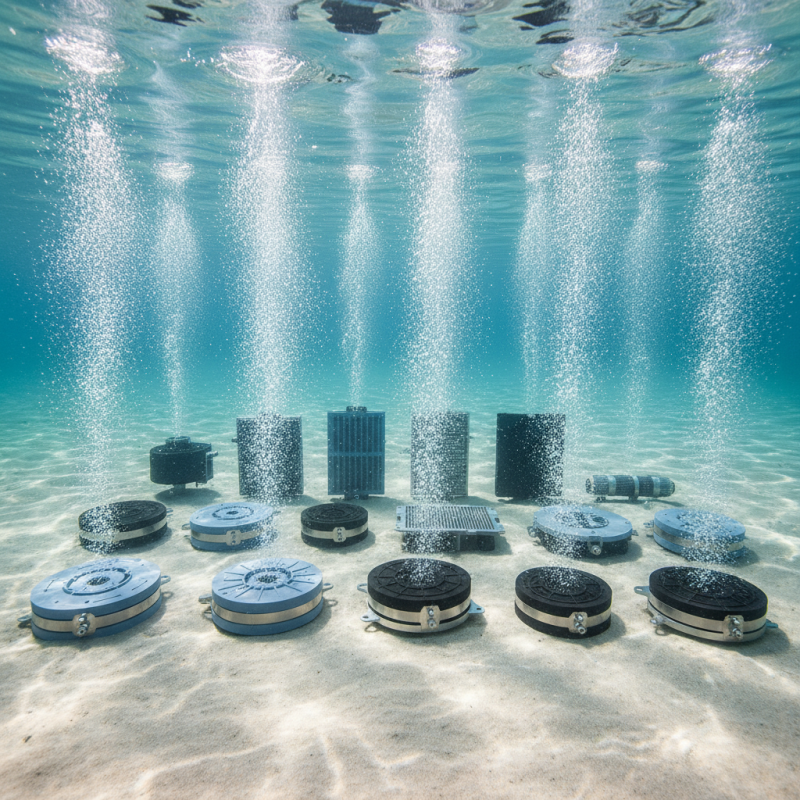
Top 10 Membrane Air Diffuser Options for Global Buyers
When selecting membrane air diffusers, buyers often face diverse options worldwide. Understanding the key parameters can help you make informed choices. Most importantly, consider the material. Micro-perforated membranes offer durability. They also enhance performance through better aeration efficiency. This matters in various applications, particularly in wastewater treatment and aquaculture.
Another crucial aspect is the diffuser design. Some models excel in uniform air distribution. This ensures consistent oxygen levels. Others might generate finer bubbles, improving contact with water. Each design has its pros and cons. For example, larger bubbles can rise faster, reducing saturation times. Reflecting on your specific requirements is essential.
Cost efficiency is often an overriding concern. While some diffusers are more affordable, their lifespan may be shorter. Always assess warranty and maintenance needs. It's not uncommon for buyers to experience regret over their initial choices. Taking time to evaluate multiple options can mitigate potential issues. Aim to prioritize quality over immediate savings.
Top 10 Membrane Air Diffuser Options for Global Buyers
| Model |
Type |
Airflow Capacity (m³/h) |
Material |
Price Range (USD) |
| Diffuser A |
Membrane |
15 |
Polyethylene |
$25 - $35 |
| Diffuser B |
Ceramic |
20 |
Ceramic |
$30 - $50 |
| Diffuser C |
Membrane |
18 |
TPR |
$20 - $40 |
| Diffuser D |
Diffuser Plate |
22 |
PVC |
$28 - $45 |
| Diffuser E |
Membrane |
16 |
Silicone |
$35 - $55 |
| Diffuser F |
Ceramic |
19 |
Ceramic |
$32 - $60 |
| Diffuser G |
Membrane |
15 |
Polyurethane |
$22 - $38 |
| Diffuser H |
Diffuser Plate |
25 |
PVC |
$40 - $65 |
| Diffuser I |
Membrane |
17 |
Nitrile Rubber |
$30 - $50 |
| Diffuser J |
Ceramic |
21 |
Ceramic |
$35 - $58 |
Overview of Membrane Air Diffusers: Functions and Applications
Membrane air diffusers play a critical role in
water treatment processes. They facilitate the transfer of oxygen into the water, promoting the growth of
aerobic bacteria. This biological treatment is essential for breaking down organic matter in
wastewater. In aquaculture, these diffusers ensure that fish and other aquatic organisms receive the
oxygen they need for healthy growth.
The effectiveness of a membrane air diffuser is influenced by several factors. The materials used
and the design of the diffuser affect its efficiency. Choosing a
suitable size and type is crucial for different applications. Each facility may require a specific
configuration to meet its operational needs. Some users experience challenges with
clogging or inefficient oxygen transfer, which can hinder productivity. Regular maintenance
and appropriate selection can help mitigate these issues.
In various industries, membrane air diffusers find diverse applications. They are utilized in municipal
wastewater treatment, aquaculture, and even in some industrial processes. Each application demands a
careful assessment of the water quality and required oxygen levels.
Ensuring that the diffusers operate efficiently requires ongoing monitoring. This highlights the
importance of understanding both the technology and the specific needs of the system.
Comparative Analysis of Membrane Materials Used in Diffusers
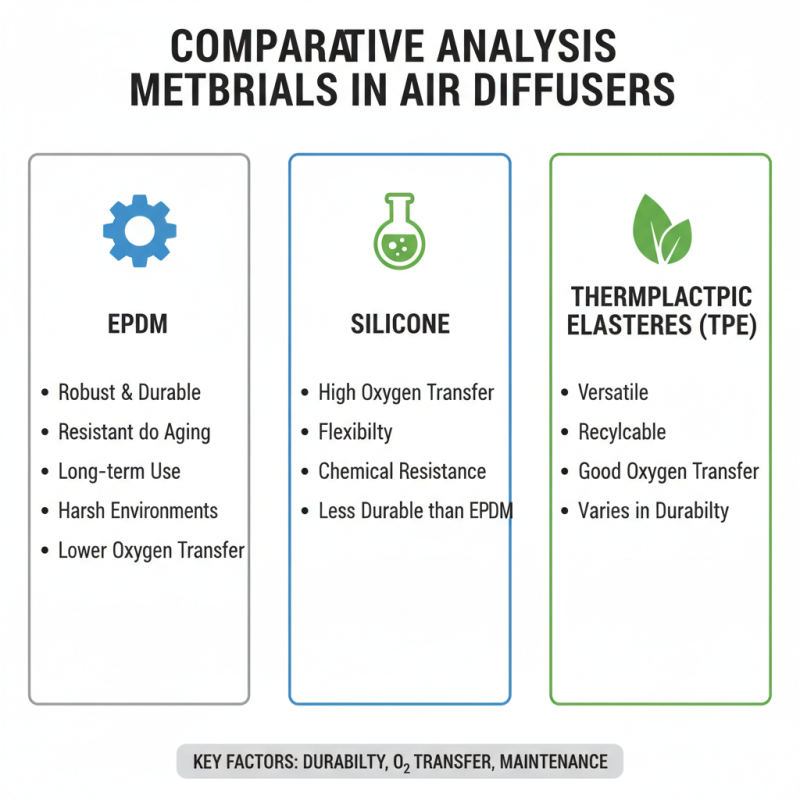
When considering membrane air diffusers, the materials used play a crucial role in their performance. Common materials include EPDM, silicone, and thermoplastic elastomers. Each has distinct properties that influence durability, oxygen transfer efficiency, and maintenance requirements. EPDM is known for its robustness and resistance to aging, making it suitable for long-term use in harsh environments. However, it may not offer the same level of oxygen transfer as other materials.
Silicone, on the other hand, excels in flexibility and gas permeability. It can deliver superior performance in terms of aeration efficiency. Yet, it tends to be more expensive and might require more careful handling during installation. Thermoplastic elastomers provide a balance between durability and cost. They are gaining popularity but may not perform well in every setting.
Choosing the right membrane material requires careful consideration. Factors like operating conditions, budget, and expected lifespan are vital. It can be challenging to select the perfect option. Regular assessments and feedback from users can provide insights into performance shortcomings. Ultimately, attention to these details will enhance efficiency and longevity in wastewater treatment systems.
Key Performance Metrics: Oxygen Transfer Efficiency in Different Models
When selecting membrane air diffusers, oxygen transfer efficiency is crucial. Different models exhibit varying performance metrics. High-efficiency diffusers can optimize oxygen transfer in wastewater treatment and aquaculture. These systems work by maximizing the surface area through which oxygen is transferred into water.
Not all models reach the same efficiency. Some may perform well under specific conditions but struggle in others. For example, factors like water temperature and salinity can affect overall oxygen transfer rates. It’s essential to consider these parameters when evaluating options.
Choosing the right diffuser involves understanding these key performance metrics. Users should also focus on maintenance requirements. Regular inspections and cleanings can significantly influence long-term performance. While certain units might promise efficiency, real-world performance can vary based on installation and operational conditions. Recognizing these nuances is important for making informed decisions.
Environmental Impact: Sustainability Considerations in Membrane Selection
In recent years, sustainability has emerged as a crucial consideration in membrane selection for air diffusers. Many buyers are now prioritizing products that minimize environmental impact. This shift highlights the need for eco-friendly materials and manufacturing processes. Membranes made from recyclable materials can reduce waste. Biodegradable options also exist but require careful evaluation.
The production of membranes often involves energy-intensive processes. Choosing suppliers that use renewable energy sources can lower the carbon footprint of air diffusers. Moreover, the performance of these membranes should align with environmental goals. Efficient air transfer can reduce the need for additional equipment and energy use. Regular maintenance and proper lifespan management can also enhance sustainability.
However, not all products are created equal. Some buyers may find it challenging to navigate the myriad of options. It's essential to weigh the benefits against potential drawbacks. For instance, durability and performance longevity must be considered alongside environmental factors. Achieving a balance can lead to more informed, responsible choices.
Conclusion
The article titled "Top 10 Membrane Air Diffuser Options for Global Buyers" provides an in-depth overview of membrane air diffusers, highlighting their essential functions and diverse applications in various industries. It features a comparative analysis of the materials used in these diffusers, emphasizing the importance of selecting the right membrane for optimal performance and durability.
Additionally, the article discusses key performance metrics, particularly focusing on oxygen transfer efficiency across different models, which is critical for ensuring effective aeration in wastewater treatment and other processes. Environmental sustainability is also a prominent topic, with considerations related to the eco-friendliness of membrane selection. Lastly, a cost analysis is presented, detailing the price range and cost-effectiveness of various options, assisting global buyers in making informed decisions regarding membrane air diffusers.