Top 10 Mini Dosing Pumps for Efficient Liquid Management?
Effective liquid management is essential in various industries. One solution making waves is the Mini Dosing Pump. These pumps offer precise dosing and reduced waste, making them popular in laboratories, agriculture, and manufacturing.
Mini Dosing Pumps are versatile tools. They can handle a wide range of liquids, including corrosive and viscous substances. However, selecting the right pump can be overwhelming due to the numerous options available. Each application has unique requirements, and one pump may not fit all scenarios.
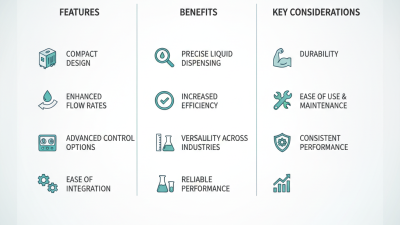
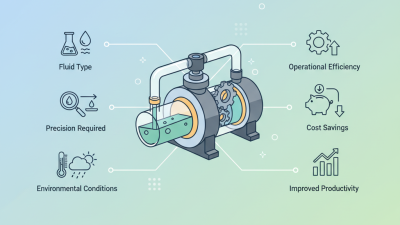
Understanding the features of Mini Dosing Pumps is crucial. Factors such as flow rate, material compatibility, and control systems can greatly impact performance. It is vital to choose the right pump for efficient operation. Therefore, weighing the pros and cons is necessary. Users must reflect on their specific needs. By doing so, they can make informed decisions that enhance liquid management efficiency.
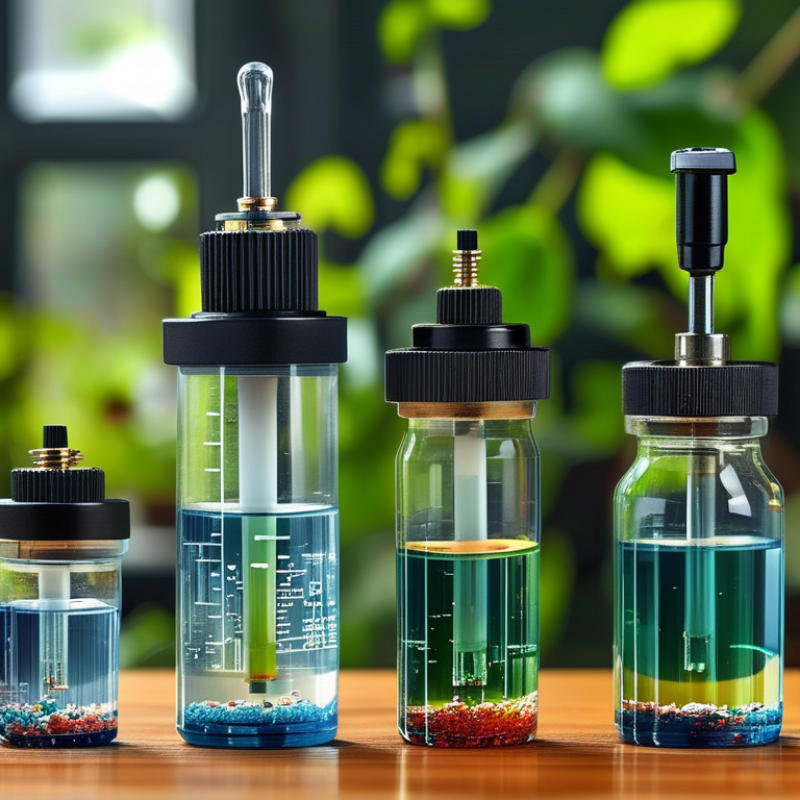
Top Features to Consider in Mini Dosing Pumps for Liquid Management
Mini dosing pumps are essential for precise liquid management in various applications. When selecting a mini dosing pump, several key features should be carefully considered to ensure efficiency. Flow rate is crucial. Studies show that an optimal flow rate enhances accuracy, avoiding excess or insufficient dosing. Look for pumps that offer adjustable flow rates to accommodate different tasks.
Another vital feature is the pump's material. High chemical resistance ensures longevity. Selecting the wrong material can lead to deterioration and leaks, compromising liquid integrity. Many reports highlight that top-performing pumps utilize advanced materials like polypropylene or stainless steel. Incorporating corrosion-resistant features can significantly extend a pump's life.
Tip: Always assess the pump's compatibility with the intended liquids. A mismatch can lead to performance issues. Regular maintenance checks can prevent potential failures, ensuring a pump remains reliable.
Consider the ease of installation and operation. Complex models may require specialized training. A user-friendly design minimizes errors and improves overall productivity. Remember, even the best pumps need effective management. Maintenance schedules are essential. Neglecting this can lead to unplanned downtimes, costing time and resources.
Key Applications of Mini Dosing Pumps in Various Industries
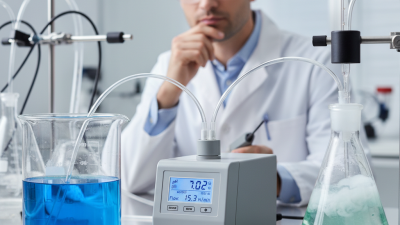
Mini dosing pumps play a crucial role in many industries. These pumps are designed to deliver precise amounts of liquid with high accuracy. Their compact size allows them to fit into small spaces, making them ideal for laboratories and manufacturing units.
In the pharmaceutical industry, mini dosing pumps are used for accurate dispensing of liquids. They help in formulating medicines where exact measurements are critical. In water treatment facilities, these pumps manage chemical dosing effectively. Their reliability ensures optimal treatment processes and helps maintain consistent water quality.
Food and beverage sectors also benefit greatly from mini dosing pumps. They ensure the precise addition of flavorings and preservatives during production. This accuracy not only enhances product quality but also maintains compliance with safety regulations. Despite their advantages, challenges arise, such as handling viscous liquids or potential calibration errors. Regular maintenance and attention to detail are essential for optimal performance.
Top 10 Mini Dosing Pumps for Efficient Liquid Management
| Pump Model |
Flow Rate (L/h) |
Pressure Range (bar) |
Power Supply |
Key Applications |
| Model A |
0.5 |
2-5 |
12V DC |
Chemical dosing |
| Model B |
1.0 |
1-3 |
24V AC |
Food processing |
| Model C |
0.75 |
3-6 |
220V AC |
Pharmaceuticals |
| Model D |
1.5 |
5-10 |
12V DC |
Water treatment |
| Model E |
0.25 |
1-2 |
24V DC |
Agriculture |
| Model F |
2.0 |
6-10 |
220V AC |
Industrial processes |
| Model G |
3.0 |
3-8 |
12V DC |
Chemical mixing |
| Model H |
0.4 |
1-5 |
24V AC |
Cleaning agents |
| Model I |
1.2 |
4-7 |
220V AC |
Cosmetics |
| Model J |
0.9 |
2-4 |
12V DC |
Beverage industry |
Understanding the Flow Rate Specifications of Mini Dosing Pumps
When selecting a mini dosing pump, understanding flow rate specifications is crucial. Flow rate determines how much liquid the pump can deliver over time. Common measurements are in liters per hour or milliliters per minute. This metric affects overall efficiency in various applications, from agriculture to laboratory services.
Different industries have unique demands. For instance, in a laboratory, precision might be key. In agricultural settings, higher flow rates may be necessary for irrigation systems. Always consider the specific requirements of your application. It's essential to match the pump's flow rate to the task at hand to avoid issues like over- or under-dosing.
Calculating the required flow rate can often reveal gaps in planning. Asking the right questions about liquid types and needed pressure can clarify needs. A mismatch can lead to waste and increased costs. Design flaws in smaller systems can cause frustration. Proper evaluation before purchase ensures efficiency and reliability, crucial in managing liquid resources.
Comparative Analysis of Top Brands in Mini Dosing Pump Performance
When evaluating mini dosing pumps, performance across various brands is crucial. Many factors influence efficiency.
Flow rate, accuracy, and ease of use are essential components. Each brand brings unique features to the table.
Consider how the pump's design affects its functionality. Some pumps offer user-friendly interfaces, while others may require technical knowledge. Reliability varies, even among high-rated models. This inconsistency can lead to frustration when managing liquids.
Tips: Always check the flow rate specifications. A higher flow rate does not always mean better performance. Compatibility with your system is vital to avoid leaks or malfunctions.
Testing the pump in real conditions is wise. Predefined metrics might not reflect actual performance. User feedback often reveals hidden flaws. Collect data during initial use. It helps identify issues early and ensures smooth operation.
Choosing a mini dosing pump requires careful consideration. Analyze specific needs and constraints. Each application may have different requirements. Prioritize features that align closely with your operational goals. Observing real-world applications can provide invaluable insights.
Innovations and Technological Advances in Mini Dosing Pump Design
Mini dosing pumps are crucial for effective liquid management. Recent technological advancements have greatly enhanced their performance. New designs emphasize precision and ease of use. Improvements in materials allow for better chemical compatibility and longer life cycles. These pumps are becoming more compact, which is beneficial in space-restricted settings.
Tips: Consider the pump's flow rate. Make sure it aligns with your application needs. Also, check the power requirements. Efficient energy use can lead to cost savings over time.
Developments include smart technology integration. Many modern pumps now feature digital controls and automation. This can streamline processes and reduce human error. Still, users must familiarize themselves with the settings. Not all functions are intuitive and may require training.
Remember, even the best technology can face limitations. Regular maintenance is essential to keep pumps functioning optimally. Users may experience challenges, like blockages or wear and tear. Troubleshooting is a part of the process. A proactive approach can prevent larger issues later.