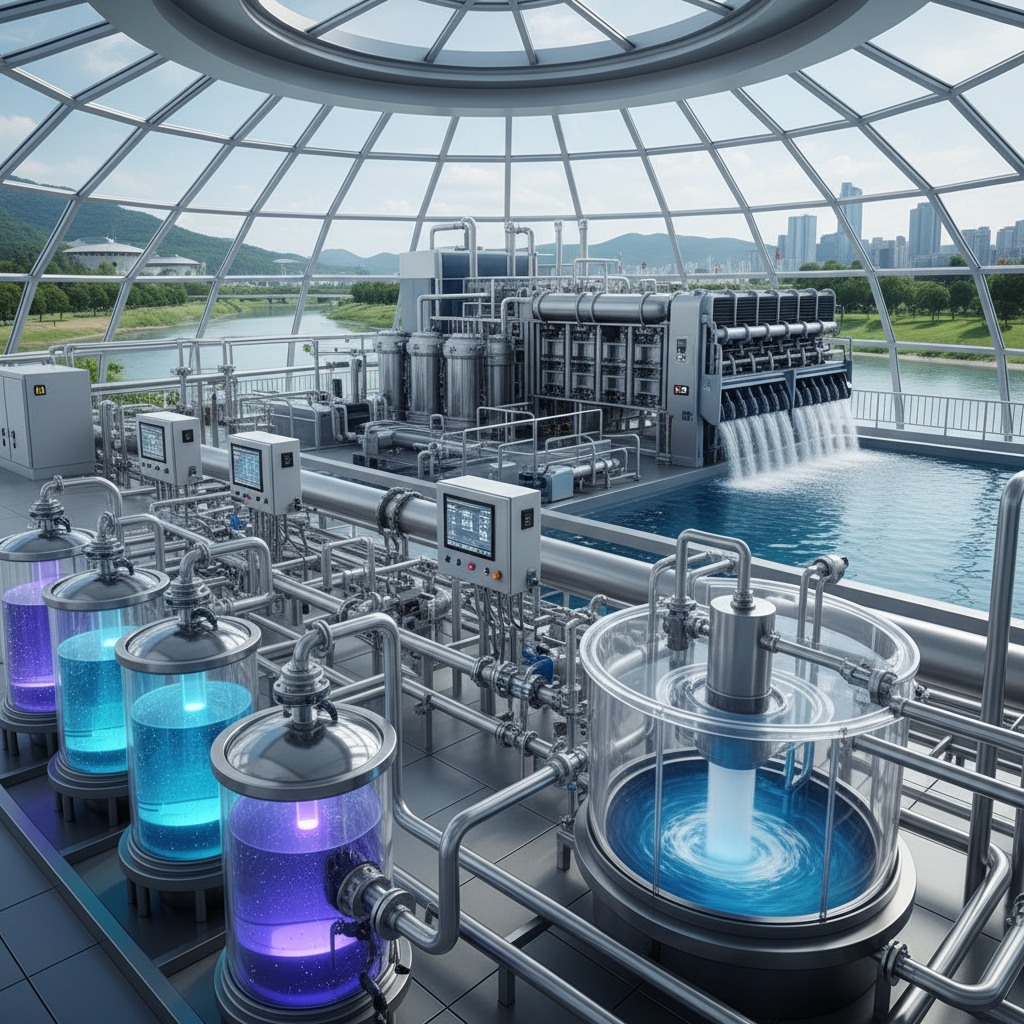
Top Poly Dosing Solutions for Effective Water Treatment in 2025
In the quest for enhancing water treatment efficiency, the significance of
"Poly Dosing In Water Treatment" continues to rise. As industries grapple with increasingly stringent regulations and a growing demand for sustainable practices,
poly dosing solutions have emerged as a vital component in achieving optimal water quality.
According to a recent report by the Environmental Protection Agency, effective dosing solutions can reduce chemical consumption by up to
30%, significantly lowering operational costs while maintaining compliance with water safety standards.
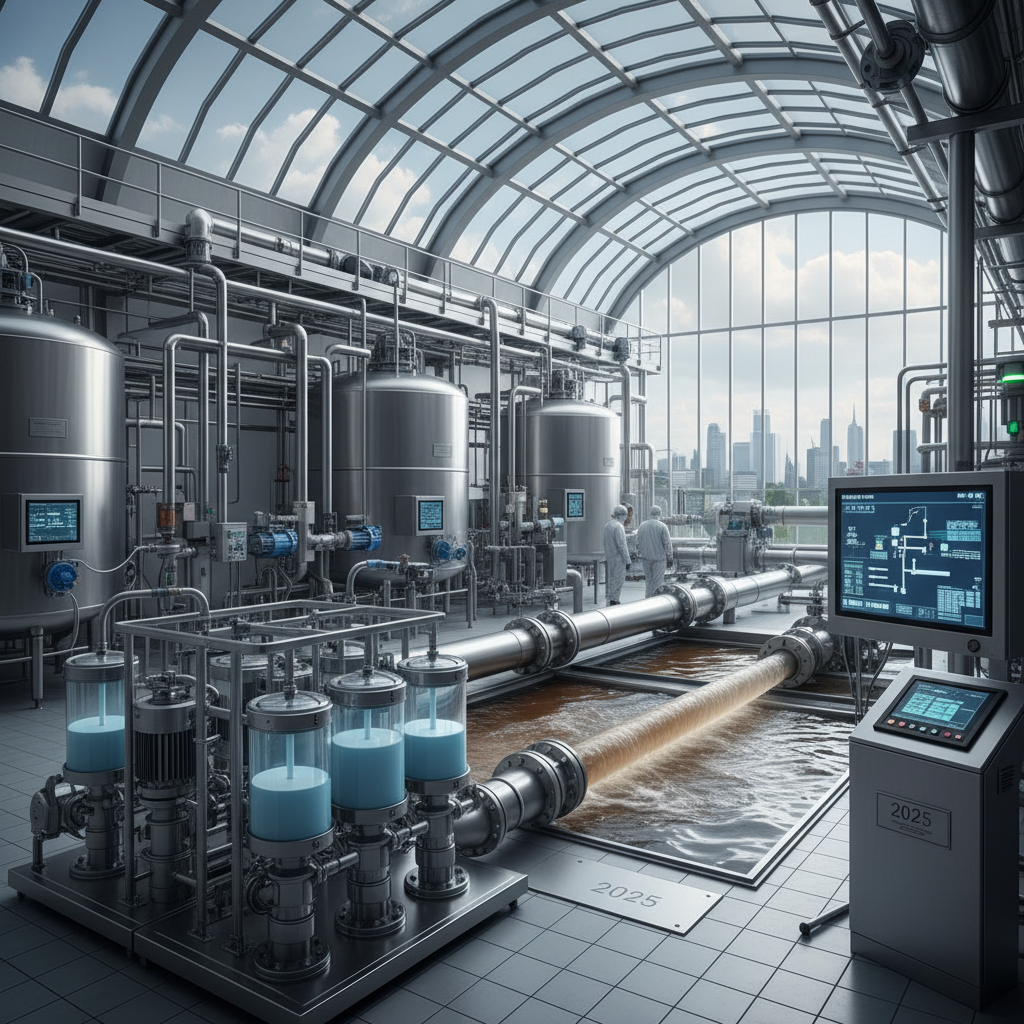
Experts in the field, such as Dr. Sarah Thompson, a leading researcher in water treatment technologies,
emphasize the importance of effective poly dosing systems. She states,
"Harnessing advanced poly dosing techniques not only improves chemical efficacy but also minimizes environmental impact,
paving the way for a greener future." As we move toward 2025, evolving technologies and innovative formulations will play a crucial role in enhancing the
performance of poly dosing solutions, ensuring that water treatment facilities can meet the challenges of the future.
In conclusion, understanding the nuances of poly dosing in water treatment is paramount for industry professionals aiming to implement effective solutions.
With continuous advancements and a focus on sustainability,
the future of water treatment is undoubtedly intertwined with the evolution of poly dosing technologies.
Emerging Trends in Poly Dosing Technologies for Water Treatment Solutions in 2025
As we move toward 2025, emerging trends in poly dosing technologies are reshaping the landscape of water treatment. One significant development is the integration of AI-powered operational intelligence, which enhances real-time decision-making and optimizes dosing processes. By utilizing advanced analytics, operators can predict chemical requirements more accurately, ensuring efficient treatment while minimizing waste.
Sustainable practices are also gaining prominence. Water treatment facilities are increasingly focusing on resource conservation and eco-friendly solutions. Decentralized infrastructure allows for localized treatment systems that not only reduce transportation costs but also improve responsiveness to community needs. This trend is crucial for flood prevention strategies, as decentralized systems can more rapidly adapt to changing conditions and mitigate risks associated with extreme weather events.
Tips: When evaluating poly dosing solutions, consider those that incorporate AI for optimized outcomes. Additionally, look for suppliers that prioritize sustainability in their products to align with future environmental goals. Investing in decentralized systems may also enhance resilience against floods while supporting local water quality concerns.
Key Benefits of Polymer Dosing Systems in Enhancing Water Purification Efficiency
Polymer dosing systems have emerged as vital components in the water treatment industry, significantly enhancing the efficiency of purification processes. According to a recent report by Grand View Research, the global polymer dosing system market is expected to grow at a CAGR of 6.2% from 2023 to 2030, highlighting the increasing adoption of these systems as industries recognize their benefits. Polymer dosing aids in coagulation and flocculation, which are essential for removing suspended solids and improving sludge dewatering. This results in higher quality water output and reduced operational costs.
One of the key advantages of polymer dosing systems is their ability to optimize chemical consumption. A study published in the Journal of Water Process Engineering indicated that polymer dosing can lead to a 15-30% reduction in chemical use compared to traditional methods. Additionally, the precise control of polymer dosage minimizes chemical waste and enhances the overall efficiency of the treatment processes. By leveraging these advanced systems, water treatment facilities can not only meet stringent regulatory standards but also achieve sustainable practices that are increasingly demanded in today’s environmental landscape.
Market Analysis: Projected Growth of Poly Dosing Solutions in the Water Treatment Sector
The water treatment sector is poised for significant growth in the coming years, particularly in the realm of poly dosing solutions. The global market for water treatment chemicals is projected to reach USD 40.48 billion in 2025, showcasing a robust demand for advanced treatment technologies. Among these solutions, dosing pumps are particularly noteworthy, with a market size exceeding USD 7.8 billion in 2024 and an anticipated CAGR of 6.9% from 2025 to 2034. This growth is largely attributed to the increasing integration of intelligent dosing systems, which enhance efficiency and accuracy in water treatment processes.
Additionally, the demand for polyaluminum chloride is on the rise, expected to expand from USD 1.5 billion in 2024 to approximately USD 2.6 billion by 2034, growing at a CAGR of 5.7%. This compound plays a crucial role in various water treatment applications, helping to improve purification processes. The overall water and wastewater treatment market is set to grow to USD 656.68 billion by 2034, reinforcing the trend that innovative dosing solutions will be key drivers in achieving efficient and effective water management by 2025 and beyond.
Top Poly Dosing Solutions for Effective Water Treatment in 2025
Comparative Review of Top Poly Dosing Products: Performance Metrics and User Feedback
As water treatment technologies evolve, the importance of effective poly dosing solutions cannot be overstated. In 2025, numerous products have emerged that cater to diverse treatment needs, making it essential to compare their performance metrics and user feedback. A thorough examination reveals that high-performance poly dosing units enhance coagulation and flocculation processes, significantly improving water quality while optimizing chemical usage.
User feedback on these dosing solutions highlights critical factors such as reliability, ease of use, and maintenance requirements. Many operators have praised certain products for their advanced automation features, which ensure precise chemical dosing and reduce the risk of human error. Conversely, some users noted challenges with smaller, less recognized brands regarding product consistency and service support. This comparative review emphasizes the need for users to consider both empirical performance data and real-world experiences to select the most suitable poly dosing solution for their specific water treatment applications.
Regulatory Landscape Impacting Poly Dosing Systems and Their Adoption in Water Treatment
The regulatory landscape surrounding poly dosing systems is evolving rapidly, significantly influencing their adoption in water treatment processes. As the global Water Treatment Chemicals Market is projected to grow from $36.68 billion in 2024 to an estimated $50.97 billion by 2032 at a CAGR of 4.2%, regulations are increasingly emphasizing the sustainability and efficiency of chemical dosing in treating various water sources. Stricter environmental regulations and a push for eco-friendly solutions are driving industries to adopt advanced poly dosing technologies that not only comply with these regulations but also enhance operational efficiency.
In the context of produced water treatment, the market is anticipated to reach USD 216.5 billion by 2035, indicating a strong focus on sustainable water management practices. This shift is partly propelled by regulatory mandates that require industries to manage wastewater responsibly. Moreover, the global antiscalants market is projected to grow from $4.52 billion in 2025 to $6.49 billion by 2032, reflecting the demand for effective solutions to prevent scaling in water systems, which is often enforced by compliance standards. Such regulatory pressures are pivotal in shaping the landscape of poly dosing systems in water treatment, promoting a transition to more effective and sustainable practices.