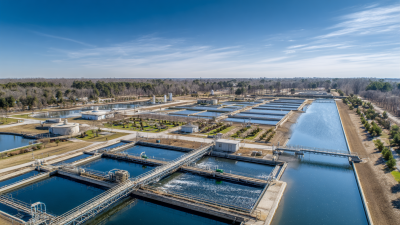
2026 Best Dissolved Air Flotation System Options for Wastewater Treatment?
The demand for effective wastewater treatment is rising globally. Among various methods, the Dissolved Air Flotation System (DAF) stands out for its efficiency. According to the Water Environment Federation, DAF systems can reduce suspended solids by up to 90%. This capability makes DAF a vital part of modern treatment facilities.
Expert Mark Johnson, a leading figure in the DAF industry, once remarked, “With the right system, we can transform wastewater into reusable resources.” This statement underscores the importance of selecting the best DAF options for specific needs. As industries face stricter regulations and sustainability goals, the relevance of advanced DAF systems cannot be overstated.
Despite the advantages, not all DAF systems are created equal. The market offers various designs and technologies, and choosing the right one can be challenging. Decision-makers need accurate data to avoid costly mistakes. A misstep in selecting a DAF system can lead to inefficiencies and increased operational costs. Therefore, understanding the nuances of each option is essential for successful wastewater management.
Overview of Dissolved Air Flotation (DAF) Systems in Wastewater Treatment
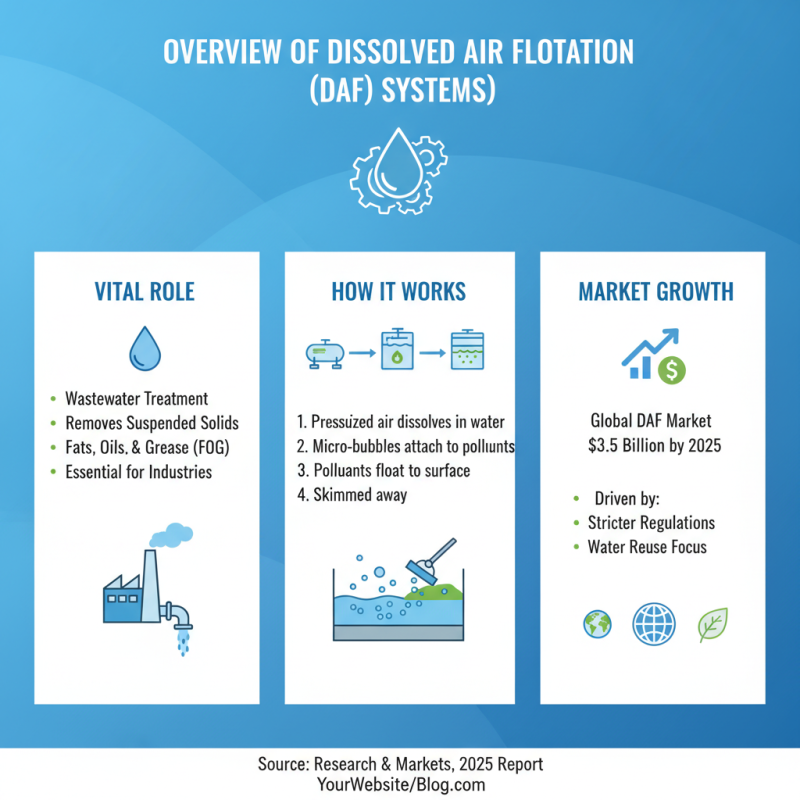
Dissolved Air Flotation (DAF) systems play a vital role in wastewater treatment. They effectively remove suspended solids, fats, oils, and grease, essential in various industries. According to a report by Research and Markets, the global DAF market is expected to reach $3.5 billion by 2025, growing due to increasing environmental regulations and a focus on water reuse.
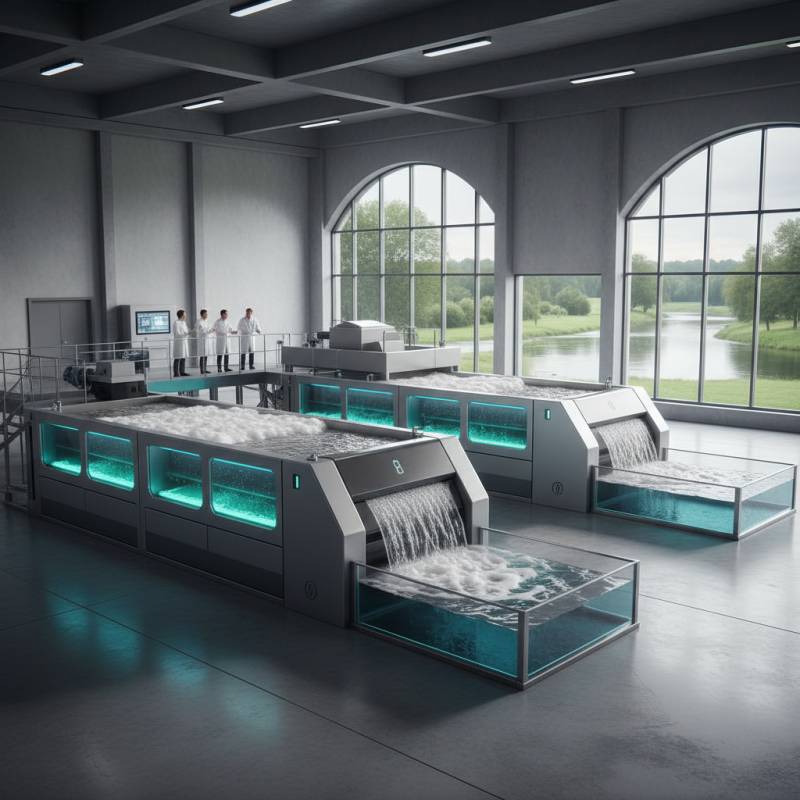
DAF systems work by introducing air under pressure into wastewater. This creates microbubbles that attach to contaminants, causing them to rise to the surface. There, they can be easily removed. These systems boast removal rates often exceeding 90% for oil and grease. However, the efficiency can vary based on influent characteristics. Factors such as pH, temperature, and solid concentration influence performance significantly.
Although DAF systems are effective, they have limitations. For instance, they require careful design and operation to maintain optimal performance. Operating costs can escalate if solids loading is too high. Therefore, regular maintenance and monitoring are crucial. These aspects warrant consideration for facilities choosing DAF systems in their wastewater treatment processes.
Key Features and Benefits of DAF Systems for Industrial Applications
Dissolved Air Flotation (DAF) systems play a crucial role in wastewater treatment for industrial applications. These systems effectively remove suspended solids, oils, and other contaminants. By creating microbubbles, DAF encourages impurities to rise to the surface, allowing for easy removal. This method increases treatment efficiency and protects equipment from damage caused by contaminants.
Implementing DAF systems can also lead to significant cost savings. Reduced energy consumption and chemical usage contribute positively to the bottom line. Moreover, the compact design of many DAF units makes them suitable for facilities with limited space. Reliable and efficient, these systems enhance overall operational efficiency, providing long-term benefits.
Tip: Regular maintenance of DAF units is essential for max performance. Routine inspections can identify issues before they become serious problems. Another tip is to ensure proper training for staff. Well-trained personnel can operate the system efficiently and respond to any operational challenges promptly. This focus on personnel development can greatly improve treatment outcomes.
Comparison of Leading DAF System Technologies Available in 2026
In 2026, the wastewater treatment industry continues to evolve with innovative Dissolved Air Flotation (DAF) systems. These systems utilize dissolved air to separate contaminants from water, improving efficiency and effectiveness. Various technologies now offer enhanced performance and adaptability for different wastewater types.
Leading DAF options showcase diverse designs and operational principles. Some focus on maximizing air dissolution, while others prioritize energy efficiency. For instance, some systems integrate advanced chemical dosing techniques, optimizing flocculation. However, these approaches can be costly. The trade-off is often a balance between upfront investment and long-term operational cost savings.
It's crucial to recognize that while many technologies claim superiority, not all are suitable for every application. Site-specific conditions greatly influence the effectiveness of a system. Consulting with experienced professionals can reveal the nuances of each option. Challenges still exist in achieving the desired removal rates consistently. Continuous improvement and innovation remain essential to meet evolving regulatory standards. The future of DAF systems is promising, but careful consideration is vital for successful implementation.
2026 Best Dissolved Air Flotation System Options for Wastewater Treatment
| Technology Type |
Treatment Capacity (m³/h) |
Removal Efficiency (%) |
Energy Consumption (kWh/m³) |
Footprint (m²) |
Maintenance Frequency (per month) |
| Dissolved Air Flotation |
200 |
90 |
0.5 |
50 |
2 |
| Hybrid DAF |
300 |
92 |
0.4 |
70 |
1 |
| Enhanced DAF |
150 |
88 |
0.6 |
40 |
3 |
| Tube DAF |
250 |
85 |
0.7 |
60 |
2 |
| Lamella DAF |
180 |
91 |
0.5 |
45 |
1.5 |
Factors to Consider When Selecting a DAF System for Wastewater Treatment
When selecting a Dissolved Air Flotation (DAF) system for wastewater treatment, several factors come to play. Understanding the specific needs of your treatment process is crucial. For instance, consider the type of contaminants you are dealing with. Each system is optimized for different pollutants. A thorough analysis of your influent wastewater condition can guide you in identifying the right model that will effectively remove solids and oils.
Another important consideration is the energy efficiency of the system. Energy costs can significantly impact operational expenses. Look for systems that offer a balance between performance and energy consumption. Additionally, the ease of maintenance should not be overlooked. Frequent repairs can disrupt operations and incur extra costs. A well-designed DAF system should minimize downtime and simplify regular service.
The size and footprint of the unit also matter. Ensure that the system fits within your facility's space constraints. This can often be a limiting factor. Lastly, take time to assess vendor support and warranty options. Reliable customer service can make a considerable difference when issues arise. Reflect on these factors carefully to ensure you make an informed decision.
Case Studies: Successful Implementations of DAF Systems in Various Industries
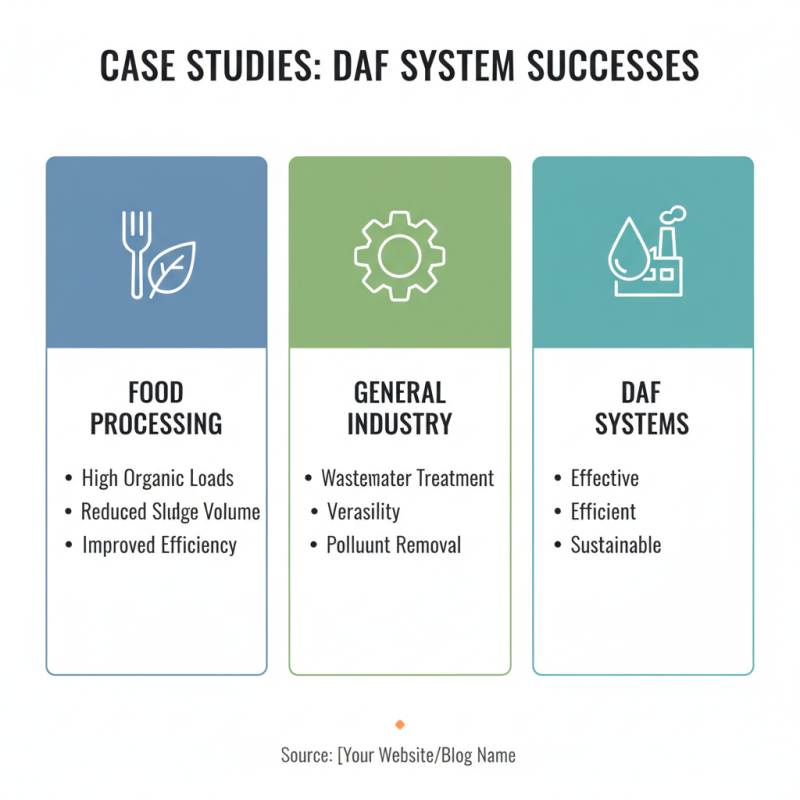
Dissolved Air Flotation (DAF) systems are increasingly implemented in various industries for effective wastewater treatment. Case studies reveal their versatility and efficiency. In the food processing sector, for instance, DAF systems successfully manage high organic loads and suspended solids. Facilities noted a significant reduction in sludge volume, improving operational efficiency.
Another example comes from the petrochemical industry. DAF units were installed to treat oily wastewater. They reduced emulsified oils, resulting in better water quality. However, some operators faced challenges in maintaining optimal air saturation levels. This shows that while DAF systems are beneficial, they require careful monitoring and adjustments to function effectively.
In the paper manufacturing industry, DAF systems have been instrumental. They treat whitewater and process effluents with high fiber content. Companies achieved better recycling rates but reported issues with chemical dosing variations. These reflections highlight the need for continuous improvement in process optimization to achieve desired outcomes.