Best Dispersed Air Flotation Systems for Global Buyers?
Dispersed Air Flotation (DAF) systems play a crucial role in wastewater treatment. These systems effectively remove suspended solids and oils, making water safe for reuse or discharge. Recent market analysis indicates that the global DAF market will reach $2.5 billion by 2027, growing at a CAGR of 8.6%. This growth reflects increasing industrial activities and stringent environmental regulations worldwide.
Manufacturers are focusing on innovative DAF technologies to enhance efficiency and reduce operational costs. Yet, not all systems perform equally well. Some may struggle with varying water qualities, leading to less effective treatment. Additionally, there are reports of difficulties in maintenance, which can hinder performance. Buyers must carefully evaluate options to ensure they select reliable systems for their specific needs.
Leading companies in this space often provide extensive technical support and training. This can significantly influence a buyer's experience and long-term satisfaction. As the demand for sustainable practices grows, understanding the intricacies of DAF systems becomes essential. Knowledge of these systems can help businesses navigate their options and find suitable solutions for their wastewater challenges.
Overview of Dispersed Air Flotation Systems
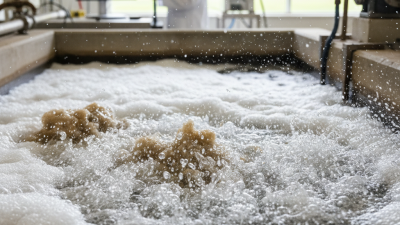
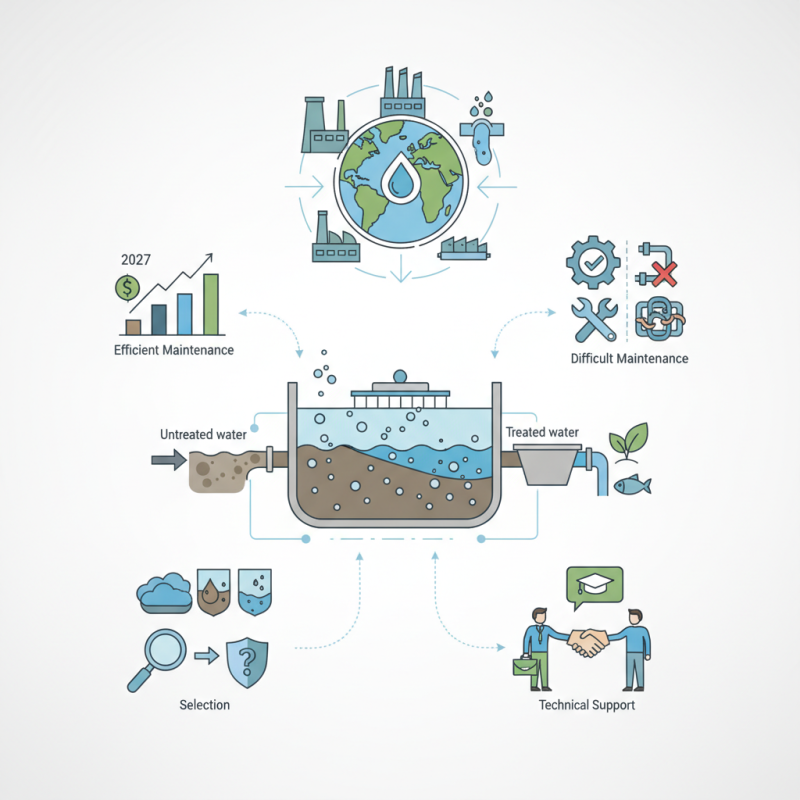
Dispersed air flotation systems play a crucial role in water treatment processes worldwide. These systems utilize fine bubbles to separate solids and contaminants from water. The efficiency of these systems can vary significantly based on their design and operation. It's essential to consider various factors such as bubble size, airflow rate, and water characteristics for optimal performance.
In practice, the effectiveness of dispersed air flotation systems often depends on the surrounding environment and treatment goals. Some systems may struggle with specific types of pollutants, which can hinder their overall efficiency. Users should also pay attention to maintenance needs. Regular cleaning and monitoring are vital to ensure consistent performance over time.
Challenges may arise from the balance of operational cost and treatment effectiveness. While some systems provide excellent results, they may require more energy and resources. A thorough understanding of each system's strengths and weaknesses can help buyers make informed decisions. The choice should align with the specific requirements of the application.
Key Features of Effective Dispersed Air Flotation Systems
Dispersed Air Flotation (DAF) systems are crucial in water treatment. An effective DAF system uses tiny air bubbles to lift contaminants to the surface. This process relies heavily on the design and operational efficiency of the unit. Key features stand out in these systems.
One critical aspect is bubble size. Smaller bubbles enhance buoyancy and improve the separation of suspended solids. The design should optimize the air-water contact area for maximum efficiency. Moreover, adjustable flotation rates allow facilities to adapt to varying wastewater conditions. Flexibility in flow rates can significantly influence performance.
The control system is also vital. Intuitive controls simplify operation and monitoring. An efficient DAF unit should offer real-time data on performance metrics. This allows for timely adjustments and maintenance checks. Reflecting on these features can help buyers choose systems that align with their specific needs and challenges. While identifying the ideal system, buyers must also consider the sustainability and reliability of the components used.
Best Dispersed Air Flotation Systems for Global Buyers
| System Model |
Air Bubble Size (µm) |
Treatment Capacity (m³/h) |
Power Consumption (kW) |
Efficiency (%) |
| Model A |
30 - 100 |
50 |
5.5 |
85 |
| Model B |
20 - 80 |
75 |
6.0 |
90 |
| Model C |
10 - 50 |
100 |
7.5 |
88 |
| Model D |
40 - 120 |
60 |
5.0 |
83 |
Top Manufacturers in the Dispersed Air Flotation Market
In the rapidly evolving field of water treatment, dispersed air flotation systems are gaining attention. These systems effectively separate contaminants, making them crucial for various industries. Their efficiency lies in the fine bubbles that attach to suspended particles, allowing for easy removal. Many manufacturers are stepping up, producing systems tailored for specific needs.
Industry leaders in dispersed air flotation are focusing on enhancing system performance. They target diverse applications, such as industrial wastewater and drinking water treatment. However, not all systems excel in every environment. Potential buyers must consider factors such as the specific contaminants they are dealing with and the water quality standards they must meet.
Emerging players in the market introduce innovative designs and materials. Some offer more energy-efficient options, while others boast improved bubble generation techniques. However, the effectiveness of these innovations can vary. Buyers should seek out reliable data and case studies to make informed decisions. Understanding the nuances of each system will evoke a more thoughtful selection process. Attention to detail and a willingness to continuously evaluate options are key in navigating this competitive landscape.
Global Dispersed Air Flotation Systems Market Overview
Applications of Dispersed Air Flotation in Various Industries
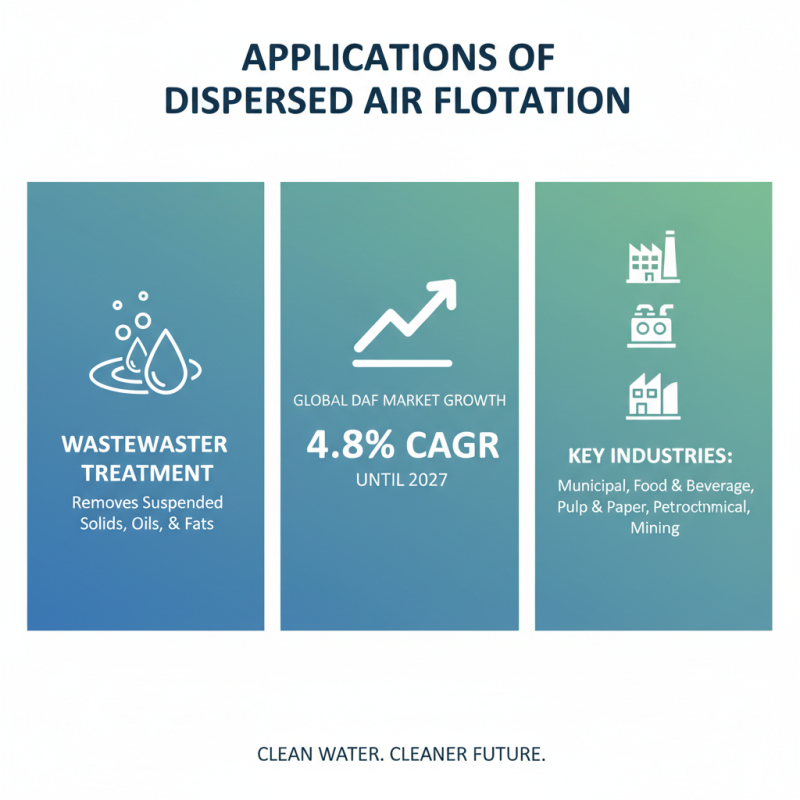
Dispersed Air Flotation (DAF) systems are vital across several industries. Their main role is in wastewater treatment. Many facilities use DAF to remove suspended solids, oils, and fats effectively. According to a recent market report, the global DAF systems market is projected to grow at a CAGR of 4.8% until 2027.
In food processing, DAF systems excel in treating effluent. This sector generates significant waste, often high in fats and solids. A study found that DAF can remove up to 95% of these contaminants. This technology is also beneficial in the oil and gas sector. It efficiently separates oil from water, ensuring compliance with environmental regulations.
**Tips:** Regular maintenance can improve DAF efficiency. Keeping an eye on flotation rates is crucial. Operators should also monitor bubble size and distribution.
The pulp and paper industry also harnesses DAF systems. These systems handle large volumes of wastewater with varying contaminant loads. However, some facilities still face challenges. Unexpected fluctuations in wastewater quality can hinder performance. Utilizing real-time monitoring can help address these issues.
Future Trends in Dispersed Air Flotation Technology
Dispersed air flotation (DAF) technology is evolving rapidly. Many industries are adopting this method for wastewater treatment. The demand for effective and efficient systems is increasing globally. Recent advancements focus on enhancing flotation performance and reducing operational costs. Manufacturers emphasize energy efficiency and environmental sustainability in their designs.
Future trends indicate a shift towards automation and real-time monitoring systems. This integration can optimize the flotation process, improving reliability and performance. Moreover, research is ongoing in the use of alternative aeration methods. These innovations could lead to better performance with smaller footprints. There is potential for more biodegradable and less harmful flotation aids.
Although significant progress is seen, challenges remain. Balancing efficiency with cost-effectiveness is difficult. New technologies may require higher initial investments, which some buyers may find daunting. Continuous research and feedback from users are crucial to overcome these obstacles. The path ahead for DAF technology is promising, but it demands careful consideration and adaptation from industry professionals.