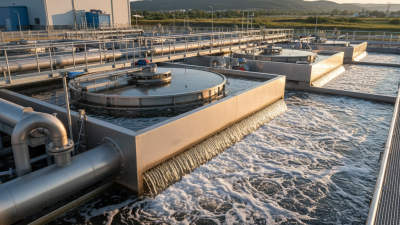
Choosing the best Dissolved Air Flotation system in 2026 requires more than comparing tank size or catalog price. Buyers need evidence from real operating conditions. A municipal plant may treat cloudy surface water, while a food processor may remove fats, oils, and grease from warm wastewater. The same unit may perform differently.
The U.S. EPA’s Wastewater Technology Fact Sheet on Dissolved Air Flotation identifies flotation as a practical separation method for suspended solids, oils, and other low-density contaminants. Recent WHO and UNICEF sanitation reports also show continuing pressure to improve wastewater services and resource efficiency worldwide. Market outlooks from MarketsandMarkets and Global Water Intelligence point toward stronger demand for water reuse, compact treatment, automation, and lower operating costs. These reports provide direction, not a guarantee.
Performance must be verified.
This 2026 buyer-focused review compares system design, hydraulic loading, recycle-water pressure, air saturation, polymer demand, sludge concentration, energy use, and control quality. It also examines installation footprints, corrosion resistance, maintenance access, and after-sales support. A compact DAF package can fit beside a factory equalization tank, but limited access may complicate pump servicing. Stainless steel construction may improve durability, yet it can increase upfront cost. That trade-off deserves careful review.
No ranking is perfect. Vendor test data may use ideal feedwater. Independent pilot testing remains valuable, especially when influent quality changes hourly. Buyers should request performance guarantees, third-party certifications, reference sites, and total lifecycle costs. The strongest choice is not always the fastest separator. It is the system that delivers stable clarified water, manageable sludge, and predictable ownership costs.
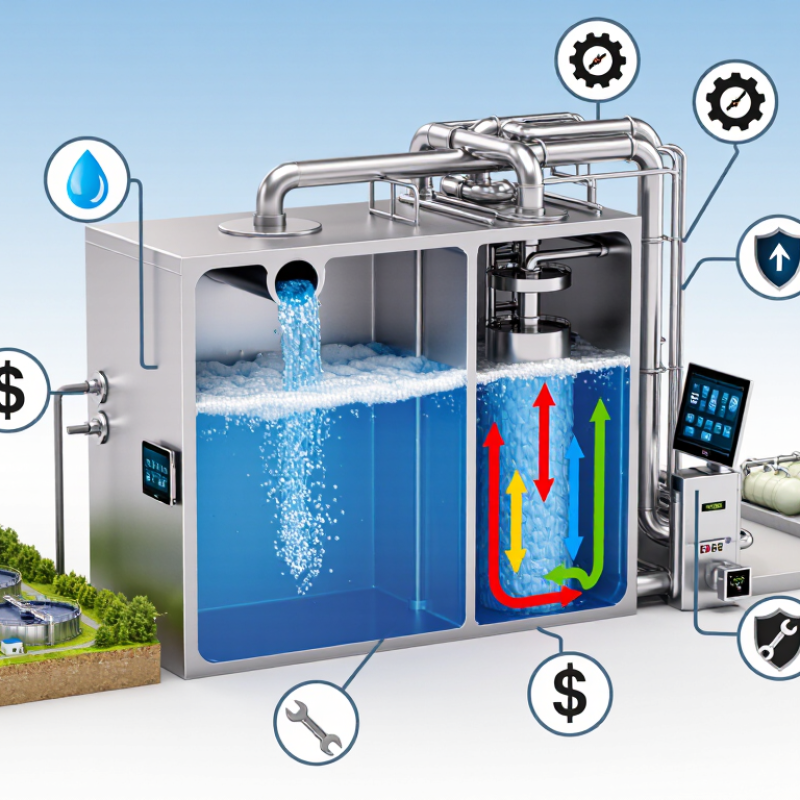
A dissolved air flotation system, or DAF, is a water-treatment unit that removes suspended solids, oils, and fine particles. It works by dissolving air into pressurized water. When pressure drops, tiny bubbles form and attach to contaminants. The lighter material then rises to the surface, where a scraper removes it as floating sludge.
A typical DAF includes a reaction tank, recycle pump, air saturator, flotation basin, and sludge scraper. Coagulants or polymers may improve particle binding, but chemical selection must match the water quality. Operators should check turbidity, pH, temperature, oil content, and solids loading before choosing equipment. A system sized only by flow rate can perform poorly.
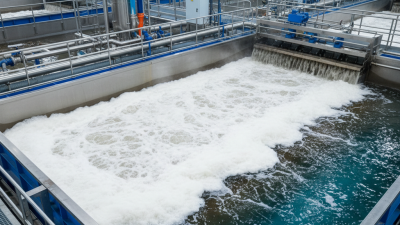
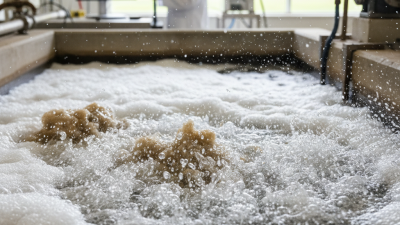
The surface should look calm.
In field operation, stable bubble distribution matters more than impressive specifications. Excessive recycle flow can waste energy, while insufficient air may leave solids behind. Poor mixing can also create dense flocs that sink instead of float. Buyers should request pilot testing, maintenance access, corrosion-resistant materials, and clear performance data. Even then, results may vary after seasonal changes or process upsets. That uncertainty deserves attention.
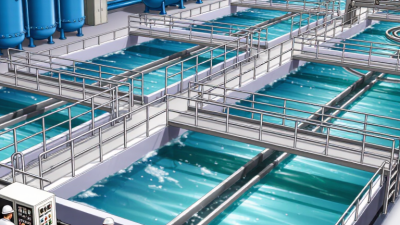
Dissolved air flotation systems separate suspended particles by making them float. A pressurized recycle stream dissolves air into treated water. When pressure drops, tiny bubbles form, often near the size of fine dust. These bubbles attach to oil, grease, algae, and solids. The lighter clusters rise into a surface sludge layer, while clarified water leaves below.
The U.S. Environmental Protection Agency’s Wastewater Technology Fact Sheet: Dissolved Air Flotation reports typical removals of 80–99% for total suspended solids and 80–99% for fats, oils, and grease. Actual performance depends on water chemistry, particle size, and hydraulic loading. A small plant may see unstable results when chemical doses change. That detail matters.
Operators usually adjust coagulant, polymer, recycle pressure, and air-to-solids ratios through jar tests and pilot trials. Guidance from the Water Environment Federation also stresses process testing before final equipment selection. The mechanism looks simple. It is not always simple in the field. Warm wastewater, changing pH, or excessive sludge can weaken bubble attachment. A clear sight glass helps operators observe the flotation blanket directly. Buyers should request verified removal data, energy-use figures, sludge handling requirements, and results from wastewater resembling their own. EPA notes that DAF can also reduce biochemical oxygen demand, but performance varies widely by application. The system may appear efficient on paper, yet poor pretreatment can quickly overload the scraper and recycle loop.
| System Configuration | How It Works | Typical Operating Pressure | Typical Recycle Ratio | Typical Hydraulic Loading | Typical Bubble Size | Best-Fit Applications | Main Buyer Considerations |
|---|---|---|---|---|---|---|---|
| Conventional Recycle-Flow DAF | A portion of clarified water is pressurized with air, then released into the incoming wastewater. Microbubbles attach to suspended solids and float them to the surface for skimming. | 4–7 bar | 10–50% of influent flow | Approximately 5–15 m³/m²·h | 10–100 micrometres | Municipal wastewater, food processing, dairy, beverage, and general industrial wastewater | Reliable and widely understood; requires a recycle pump, air saturation vessel, pressure controls, and regular maintenance. |
| Whitewater DAF | A pressurized air–water stream, commonly called whitewater, is distributed through release nozzles to create a dense blanket of bubbles beneath the flotation zone. | 4–6 bar | 15–50% of influent flow | Approximately 4–12 m³/m²·h | 20–80 micrometres | High-solids wastewater, meat and poultry processing, rendering, and oily wastewater | Strong flotation performance and good solids capture; nozzle design and air distribution are critical. |
| Induced-Air Flotation | Mechanical or hydraulic equipment disperses air directly into the wastewater. The generated bubbles lift oil and suspended solids to the surface. | Usually near atmospheric pressure | Normally not required | Approximately 5–20 m³/m²·h | Often larger and less uniform than pressure-dissolved bubbles | Oil-water separation, produced water, marine applications, and heavily oily streams | Simple pressure arrangement and good oil removal; generally less effective than DAF for fine, low-density suspended solids. |
| Lamella DAF | Inclined plates increase effective separation area while dissolved-air bubbles float particles upward. The compact plate pack reduces the required tank footprint. | 4–7 bar | 10–40% of influent flow | Approximately 8–20 m³/m²·h, depending on plate design | 10–80 micrometres | Sites with limited space, industrial pretreatment, and high-rate clarification | Small footprint and high capacity; plate fouling, access, and cleaning requirements must be considered. |
| Compact Packaged DAF | A factory-assembled unit integrates coagulation or flocculation, pressurization, flotation, surface scraping, and sludge collection in one packaged system. | 4–7 bar | 10–50% of influent flow | Approximately 3–15 m³/m²·h | 10–100 micrometres | Small and medium installations, remote sites, temporary treatment, and plant upgrades | Fast installation and predictable layout; verify material compatibility, spare-parts availability, and expansion options. |
| High-Rate DAF | Enhanced mixing, optimized bubble release, and higher surface loading are used to achieve greater treatment capacity within a reduced tank area. | 5–7 bar | 15–50% of influent flow | Approximately 10–25 m³/m²·h, subject to pilot testing | 10–80 micrometres | Large industrial plants, hydraulic bottlenecks, and projects with high land costs | High capacity per unit area; performance is sensitive to floc quality, hydraulic distribution, and sludge removal frequency. |
Buyer Selection Reference
Actual DAF performance depends on wastewater chemistry, suspended-solids concentration, oil and grease content, temperature, pH, coagulant and polymer selection, air-to-solids ratio, recycle flow, and sludge removal design. Confirm the design through jar testing or pilot testing before final equipment selection. Typical clarified-water targets may include 80–95% suspended-solids removal and 70–95% oil-and-grease removal when suitable chemical conditioning and operating control are provided.
Choosing the best dissolved air flotation system in 2026 requires more than comparing tank sizes. The water source, contaminant load, and required flow rate should guide selection. Conventional DAF systems treat the full influent stream with pressurized air. Recycle-flow systems pressurize clarified water and return it to the inlet. They often reduce energy demand. Side-stream designs can suit smaller facilities or variable flows. Induced gas flotation uses mechanical gas dispersion, but it differs from true dissolved air flotation.
Core components determine daily performance.
A chemical dosing unit supports coagulation before flotation. The flocculation chamber gently grows stronger particles. A recycle pump sends clarified water to the air saturation vessel. Inside, pressure dissolves air into water. Release nozzles then create tiny bubbles. These bubbles lift suspended solids to the surface. A scraper removes the floating sludge, while a bottom hopper collects heavier material. Reliable systems also need pressure gauges, flow meters, level sensors, and accessible control panels.
Field checks matter. Operators should inspect nozzle fouling, pump vibration, and scraper alignment. Poor chemical mixing can undermine an otherwise excellent system. Real projects are messier. Oversizing may waste power, while undersizing can cause cloudy effluent during peak flow. Buyers should request pilot testing with representative water samples. Testing should measure turbidity, sludge concentration, chemical use, and hydraulic loading. Some decisions remain uncertain because seasonal water changes are easy to underestimate.
Comparing DAF systems should begin with the wastewater, not a product catalogue. Food-processing effluent may contain fats, oils, and grease. Municipal sludge requires stable thickening and reliable solids capture. The U.S. EPA’s DAF fact sheet reports common recycle ratios of 10–30% and pressurization ranges near 30–70 psi. These figures help screen equipment, but they cannot replace pilot testing.
For oily wastewater, test droplet removal, chemical demand, and float-layer stability. For sludge thickening, compare solids capture, polymer consumption, and cake dryness. Drinking-water applications need separate checks for turbidity, algae, temperature, and seasonal changes. The 2024 UNESCO World Water Development Report states that agriculture represents about 70% of global freshwater withdrawals. That figure strengthens the case for reuse, but DAF alone does not produce potable water. Pretreatment and disinfection remain essential.
A useful comparison sheet should record energy use per cubic meter, recycle-pump power, footprint, noise, cleaning time, and operator access. Request raw-water pilot results, not only laboratory jar-test data. Ask whether performance changes after several hours of continuous operation. A short demonstration can hide polymer drift or unstable sludge. That is an easy mistake. The EPA’s design guidance also shows why hydraulic loading, air-to-solids ratio, and sludge characteristics must be reviewed together. One overlooked variable can distort the entire purchase decision. Sources: U.S. EPA, Wastewater Technology Fact Sheet: Dissolved Air Flotation; UNESCO, United Nations World Water Development Report 2024.
Selecting the best dissolved air flotation system begins with the wastewater, not the equipment brochure. Measure daily flow, peak flow, temperature, pH, oil content, and suspended solids. A system sized only for average flow may fail during production surges. It happens more often than buyers expect.
Review the clarification target and required outlet quality with an independent water professional. Ask for pilot testing with representative wastewater samples. Jar tests can compare coagulant doses, polymer performance, sludge formation, and flotation speed. Inspect the recycle pump, air saturator, skimmer, scraper, and control panel. These parts affect daily reliability. Request clear data on power use, chemical demand, cleaning access, noise, and operator training.
Footprint matters, but maintenance space matters more. Leave room around pumps, valves, and sludge outlets. I once underestimated access space during equipment planning. Routine servicing became slow and uncomfortable. That mistake changed our purchasing checklist. Also examine corrosion protection, automation limits, spare-part availability, and emergency bypass arrangements. A highly automated unit may reduce labor, yet it still needs practical manual controls. Do not accept vague removal guarantees. Performance depends on wastewater changes, chemical preparation, and operator decisions. A short demonstration can reveal more than polished sales language. Reliable buyers compare lifecycle cost, not only the purchase price.