Top 5 Benefits of Automatic Dosing System for Your Business?
In the evolving landscape of business operations, the implementation of an Automatic Dosing System presents significant advantages. Industry expert Dr. Emily Chen, a leader in chemical engineering, notes, “An effective dosing system can drastically improve efficiency and reduce waste.” Her insights shed light on the transformative potential of these systems.
Automatic Dosing Systems are designed to precisely administer chemicals and solutions. Businesses in sectors such as water treatment and pharmaceuticals benefit greatly. This precision minimizes human error and enhances productivity. By automating processes, companies can focus on innovation instead of labor-intensive tasks.
However, transitioning to an Automatic Dosing System isn't without challenges. Initial costs and training can be daunting. There’s a need to assess compatibility with existing systems. Despite these hurdles, the long-term benefits often outweigh the initial uncertainties. Investing in intelligent dosing solutions fosters growth and sustainability in today's competitive market.

Understanding Automatic Dosing Systems and Their Functionality
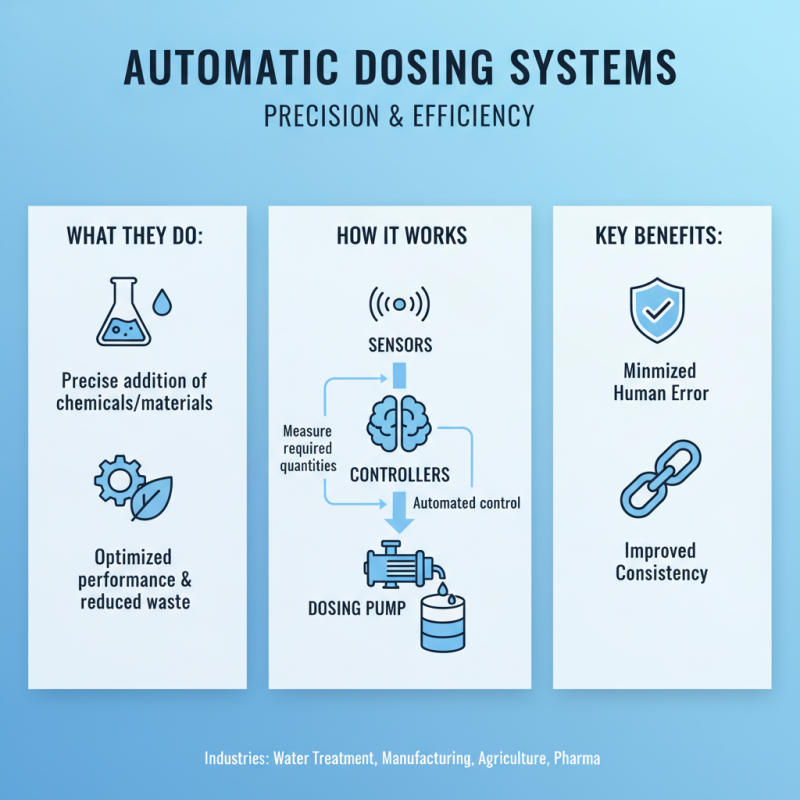
Automatic dosing systems have become vital in various industries. These systems manage the precise addition of chemicals or materials. They ensure optimal performance while minimizing waste. The technology operates through sensors and controllers that measure the needed quantities. This minimizes human error and improves consistency.
The functionality of automatic dosing systems is impressive. They provide real-time monitoring, allowing quick adjustments when necessary. Users appreciate the reduced downtime due to accurate dosing. However, some installations require regular maintenance to ensure proper calibration. For some businesses, initial setup costs may pose challenges, but the long-term savings often outweigh them. Adopting this technology can lead to better resource management.
As industries focus on sustainability, automatic dosing systems help reduce environmental impact. They optimize chemical use, lessening the risk of spills or overuse. While these systems offer many benefits, a clear understanding of their operation is crucial for maximizing efficiency. Proper training can enhance reliability and effectiveness in daily operations.
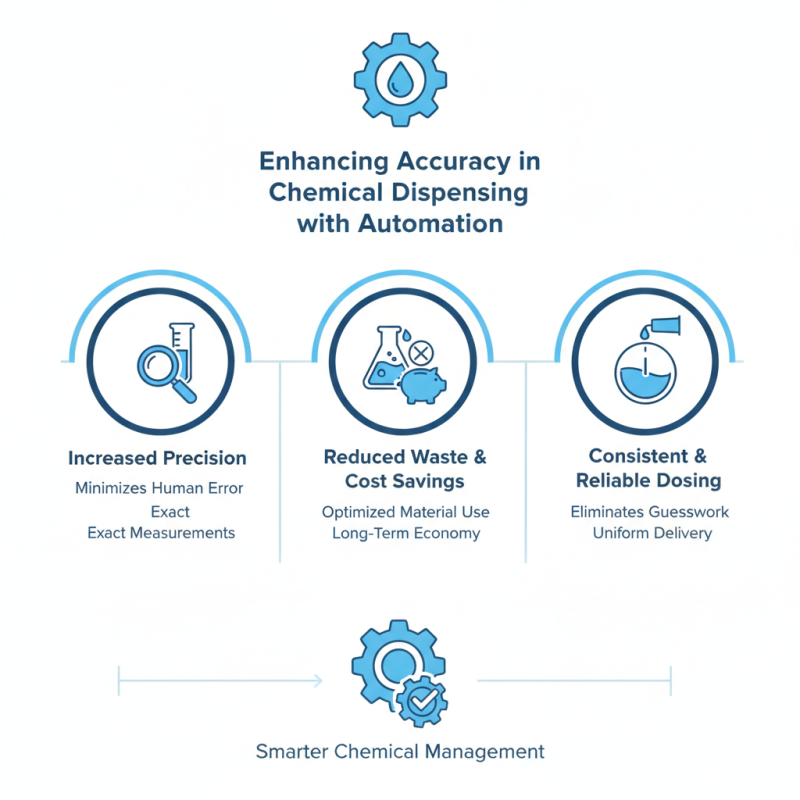
Enhancing Accuracy in Chemical Dispensing with Automation
In chemical dispensing, precision is crucial. An automatic dosing system enhances accuracy, minimizing human error. With precise measurements, businesses can avoid wastage. This leads to cost savings over time. Automated systems reduce the guesswork involved in manual dosing. Each dose is delivered consistently.
Implementing automation increases efficiency. Workers can focus on more critical tasks. The time spent on manual adjustments decreases. It is vital to recognize that, without proper calibration, errors can still occur. Regular maintenance ensures the system remains reliable.
Additionally, these systems can adapt to various materials. This flexibility supports diverse business needs. However, staff must be trained to handle technology shifts. A seamless transition can strengthen the overall workflow. Embracing automation is key, but awareness of potential challenges is essential.
Improving Operational Efficiency through Reduced Labor Costs
Automatic dosing systems are transforming how businesses operate, particularly in optimizing labor costs. These systems minimize the need for manual labor, allowing staff to focus on higher-value tasks. As a result, productivity can increase significantly. With automatic dosing, businesses often see a reduction in errors associated with manual dosing. This adds another layer of efficiency that directly impacts the bottom line.
Tips: Assess your current processes. Look for repetitive tasks that could be automated. Involve your team in discussions about potential improvements. Their insights can help identify areas where labor costs can be reduced through automation.
Moreover, the consistency offered by automatic dosing systems cannot be overstated. Consistent dosing ensures product quality and reduces waste. When materials are dosed accurately, it can lead to better inventory management and less spoilage. This reliability enhances operational efficiency.
Tips: Monitor the performance of your automatic dosing system regularly. Adjust settings as needed to maintain optimal efficiency. Ensure staff is properly trained to use the system effectively. Proper training can minimize mishaps and ensure smoother operations.
Top 5 Benefits of Automatic Dosing System for Your Business
The following chart illustrates the top five benefits of implementing an automatic dosing system in your business, showcasing their impact on operational efficiency and labor cost reduction.
Ensuring Compliance and Safety in Chemical Handling Practices
Automatic Dosing Systems are essential for businesses focused on safety in chemical handling. These systems minimize human errors during the dosing process. Each component is precisely measured, reducing risks associated with inaccurate amounts. Compliance with safety regulations becomes seamless with automation.
For effective implementation, consider staff training. A well-informed team can better manage the thorough processes involved in the automatic system. Make safety manuals readily available and conduct frequent reviews. Staff should be encouraged to ask questions when in doubt.
Keep regular maintenance in your sights. Even the best systems can face challenges without proper care. Check calibrations and perform routine inspections to ensure functionality. An unreliable system can lead to safety breaches. Regular audits of your dosing procedures can shed light on areas needing improvement.
Top 5 Benefits of Automatic Dosing System for Your Business
| Benefit |
Description |
Impact on Business |
| Improved Accuracy |
Automated systems ensure precise chemical dosing, minimizing human error. |
Enhanced product consistency and reduced waste. |
| Increased Safety |
Reduces the risk of exposure to hazardous chemicals through automated handling. |
Lowered incident rates and improved workplace safety culture. |
| Regulatory Compliance |
Facilitates better tracking and documentation for compliance with chemical regulations. |
Reduced risk of non-compliance fines and penalties. |
| Cost-Effectiveness |
Minimizes the cost associated with waste and overuse of chemicals. |
Increased profit margins and better resource allocation. |
| Operational Efficiency |
Streamlines workflows by automating repetitive dosing tasks. |
Enhanced productivity and freed-up personnel for more critical tasks. |
Maximizing Resource Savings and Minimizing Waste Production
An automatic dosing system can significantly enhance efficiency in any business. By precisely measuring and dispensing materials, it minimizes the risks associated with human error. This technology ensures consistent product quality while optimizing resources. Notably, it plays a crucial role in reducing waste production, which is essential for sustainability.
Consider integrating sensors that monitor resource levels in real time. These sensors can trigger alerts when supplies run low, prompting timely restocking and reducing wastage. Additionally, regular maintenance of the system ensures optimal performance, preventing potential downtimes and inefficiencies.
It's also wise to analyze data generated by the dosing system. This analysis can reveal usage patterns and help identify areas for improvement. A reflection on your current processes may reveal surprising inefficiencies. Embracing an automatic dosing system can lead to resource savings and improve overall operational performance.