Top 10 Benefits of Using a Continuous Screw Press for Production?
In today's manufacturing landscape, efficiency and sustainability are vital. A Continuous Screw Press is at the forefront of this transformation. As noted by industry expert Dr. John Smith, “Adopting a Continuous Screw Press can significantly enhance resource utilization.” This innovation is increasingly crucial for businesses looking to optimize their production processes.
The benefits of utilizing a Continuous Screw Press go beyond mere efficiency. These machines not only minimize waste but also maximize productivity. Each component of the Continuous Screw Press is designed to work seamlessly, ensuring a smoother production flow. Companies that invest in this technology often see substantial reductions in operational costs. However, relying solely on technology without proper training can lead to underperformance.
With the rising importance of eco-friendly practices, the Continuous Screw Press offers a sustainable solution. It helps in conserving energy and reducing emissions. Yet, businesses must recognize that adopting new technology requires a willingness to adapt. Understanding the potential drawbacks and challenges is equally important. This balance between innovation and reflection will ultimately guide manufacturers toward a more promising production future.
Overview of Continuous Screw Press Technology
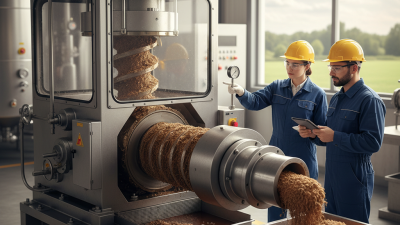
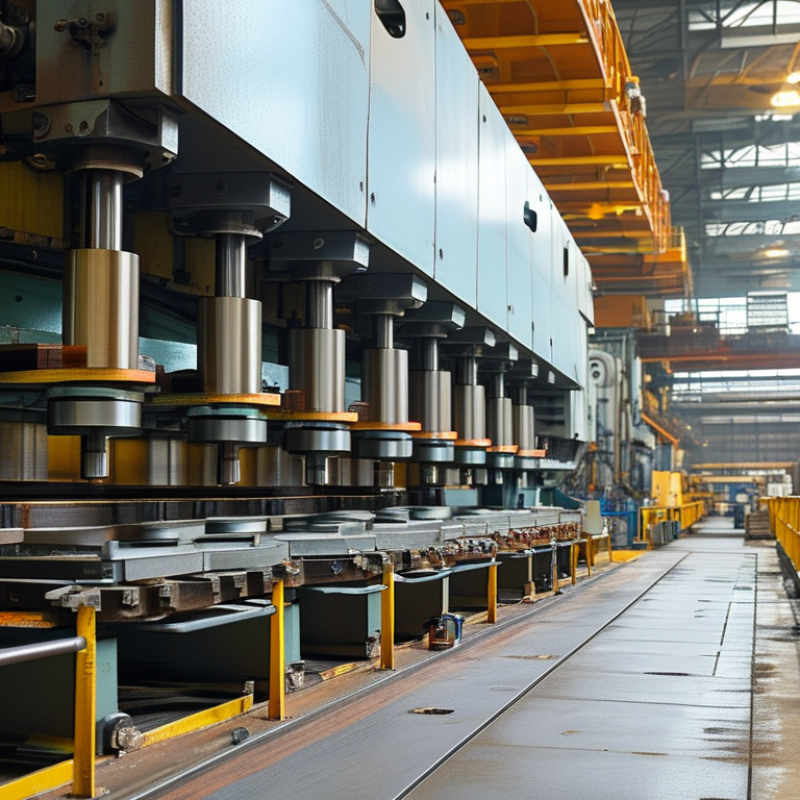
Continuous screw press technology has revolutionized production processes across various industries. This method utilizes a rotating screw to compress materials, effectively separating solids from liquids. By maintaining a continuous feed, it improves efficiency significantly. The design allows for precise control over pressure and flow, enabling optimal extraction rates while minimizing waste.
One notable aspect of continuous screw presses is their versatility. They can process a wide range of materials, from agricultural products to industrial slurries. However, not all materials may behave as expected during processing. Some may require additional pre-treatment to achieve desired outcomes. This unpredictability can lead to trial and error, underscoring the need for thorough testing and adjustment.
Moreover, the technology can reduce energy consumption compared to traditional methods. This efficiency is crucial in today’s environmentally-conscious landscape. Yet, potential operators should remain aware of the maintenance challenges that come with these systems. Proper upkeep is essential for maximizing longevity and performance, making it vital to invest in training and expertise.
Enhanced Efficiency in Material Processing
Using a continuous screw press can significantly enhance efficiency in material processing. One of the primary benefits is its ability to operate continuously without downtime. According to industry reports, this technology can improve processing rates by up to 50% compared to traditional methods. For many manufacturers, this can mean a substantial increase in output and profitability.
Another advantage is the reduction in energy consumption. Studies indicate that continuous screw presses can reduce energy use by 30% or more. This not only cuts costs but also aligns with sustainability goals. The streamlined design minimizes waste, leading to better resource management. However, manufacturers should be aware that the initial investment can be high. Analyzing the long-term savings versus upfront costs is essential before making a decision.
Additionally, the continuous nature of these presses allows for better control over the processing variables. Operators can precisely adjust factors such as temperature and pressure. This level of control can lead to improved product quality and consistency. Yet, it is crucial to have trained personnel knowledgeable in operating these systems. Without proper training, benefits can be lost, leading to possible inefficiencies.
Top 10 Benefits of Using a Continuous Screw Press for Production
Improved Product Quality and Consistency
Using a continuous screw press significantly enhances product quality and consistency. The machine provides controlled pressure and temperature, ensuring uniform processing. This leads to less variability in the final product. Manufacturers benefit from reduced impurities and higher extraction rates. These factors contribute to an overall better product.
Crafting quality products requires attention to detail. Understand the feed material's characteristics. Each material behaves differently during processing. Test small batches to find optimal settings. Always monitor the pressure and temperature closely. Minor adjustments can have major impacts.
Nonetheless, operational challenges exist. Equipment maintenance is crucial for consistent performance. Regularly clean and inspect the screw press to avoid blockages. Operators should receive training on best practices. Keep in mind that optimizing the process takes time and experimentation. Strive for continuous improvement, as this can lead to profound enhancements in product consistency.
Cost-Effectiveness in Production Operations
In production operations, cost-effectiveness is a crucial factor. Continuous screw presses offer significant savings. According to a report by the International Journal of Industrial Engineering, these machines reduce operational costs by up to 30%. This is due to their ability to operate without extensive downtime, minimizing labor costs and maintenance expenses.
Efficiency is another important aspect. Continuous screw presses can process raw materials continuously, leading to higher output rates. Some studies suggest that production rates can double when using these systems. This efficiency translates to lower energy consumption as well. As noted in the Energy Efficiency Association's findings, companies can save up to 20% on energy costs compared to traditional pressing methods.
However, not all organizations may experience these benefits equally. An investment in continuous screw technology can be substantial. Smaller manufacturers may struggle to justify these costs initially. Additionally, operators need specialized training to maximize the press's potential. This can hinder productivity in the short term. It's worth considering both the immediate and long-term implications of such an investment for your production line.
Environmental Benefits of Using Continuous Screw Presses
Continuous screw presses are becoming increasingly popular due to their significant environmental benefits. They efficiently extract juice or oil from various materials, which results in lower energy consumption compared to traditional methods. According to a study by the International Journal of Environmental Science and Technology, these presses can reduce energy use by up to 30%. This translates to less greenhouse gas emissions, contributing positively to climate change mitigation efforts.
Moreover, the continuous screw press process generates less waste. It allows for maximum extraction rates, meaning that a greater percentage of the raw material is converted into valuable products. Reports indicate that waste generation can be cut by as much as 50% when using this technology. The remaining byproducts are often biodegradable, which further aligns with sustainable production goals. However, the investment in such technology can be high, posing challenges for smaller operations that may struggle to adopt these eco-friendly practices.
Implementing continuous screw presses can also lead to improvements in water usage. Studies show that companies that switch to these presses typically see a reduction of about 40% in water consumption. This is significant in industries where water is a precious resource. Still, the transition to this technology may require comprehensive training and a cultural shift within organizations. Balancing these challenges with the benefits necessitates careful consideration and strategic planning.