10 Benefits of Using a Dissolved Air Flotation System?
In recent years, the importance of efficient water treatment solutions has grown significantly. Dissolved Air Flotation Systems (DAF) have emerged as vital players in this field. According to a report by Markets And Markets, the global DAF market is projected to reach $3.86 billion by 2026, highlighting their rising demand and effectiveness in treating industrial wastewater.
Dr. Jane Smith, a leading expert in water treatment technologies, emphasizes, “Dissolved Air Flotation Systems are pivotal in ensuring cleaner water for communities.” This technology employs tiny air bubbles to separate solids, oils, and grease from water. Its efficiency is remarkable; DAF can achieve over 90% removal of suspended solids. Many industries, including food processing and pharmaceuticals, rely on this system to comply with stringent water quality regulations.
While DAF offers numerous benefits, challenges exist. Not all facilities may achieve optimal performance due to varying wastewater characteristics. Continuous innovation and adaptation are crucial. Despite advancements, not every implementation meets expected outcomes, indicating a need for careful planning and expertise in setup. The journey to effective water management is complex but essential for a sustainable future.
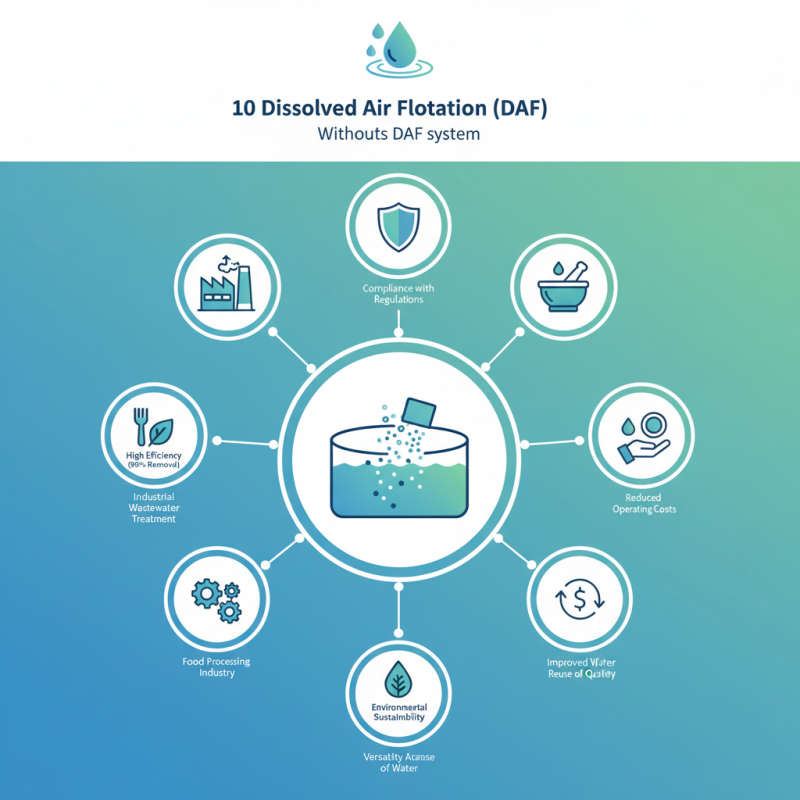
Advantages of Dissolved Air Flotation in Wastewater Treatment Processes
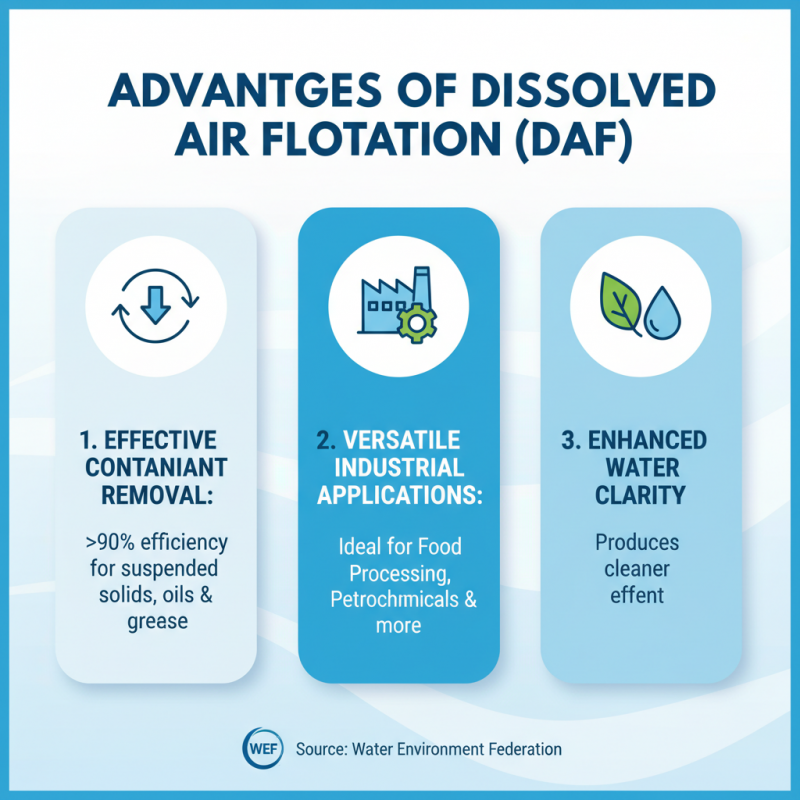
Dissolved Air Flotation (DAF) systems play a crucial role in wastewater treatment. They effectively remove suspended solids, oils, and grease from water. According to the Water Environment Federation, DAF can achieve removal efficiencies exceeding 90% for these contaminants. This efficiency makes DAF a preferred method in various industries, including food processing and petrochemicals.
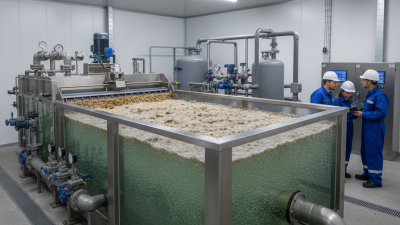
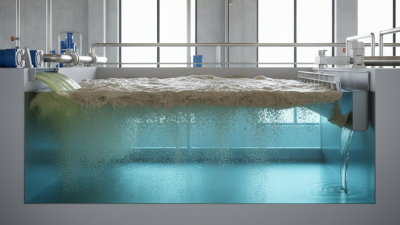
DAF systems work by dissolving air in water under pressure and then releasing it into the flotation tank. This process creates microbubbles that attach to suspended particles, causing them to rise to the surface. An impressive aspect of DAF technology is its adaptability. It can handle varying inflow rates and water compositions, making it reliable for fluctuating industrial processes.
Despite these advantages, operators must monitor system performance continuously. Blockages may occur if the system is not properly maintained. Proper training and regular checks can mitigate these issues. In some cases, DAF may not capture high-density particles effectively. This limitation calls for a comprehensive approach to wastewater treatment. Combining DAF with additional processes can improve overall treatment outcomes, enhancing reliability and efficiency in water management.
Enhanced Removal Efficiency of Suspended Solids and BOD
The dissolved air flotation (DAF) system significantly enhances the removal efficiency of suspended solids and biochemical oxygen demand (BOD) in wastewater treatment. Research indicates that DAF can remove up to 90% of suspended solids. This efficiency is crucial for industries facing stringent environmental regulations. The ability to remove solids before they enter the biological treatment phase can dramatically improve overall treatment performance.
DAF systems inject microbubbles into the wastewater. These bubbles attach to suspended particles, causing them to float to the surface. The system typically achieves BOD reductions of up to 80%. This process not only reduces the organic load but also helps in maintaining a healthier environment for aquatic life. Effective treatment through DAF can lead to lower treatment costs and reduce the risk of regulatory non-compliance.
However, it is essential to note that the DAF system requires careful monitoring. Adjusting the flotation parameters is vital for optimal performance. Some operators report challenges in consistent performance, especially with varying influent characteristics. It's critical to address these variations to avoid underperformance and ensure reliable treatment outcomes. Regular maintenance and operator training also play a significant role in the efficiency of DAF systems.
Energy Efficiency Compared to Traditional Sedimentation Techniques
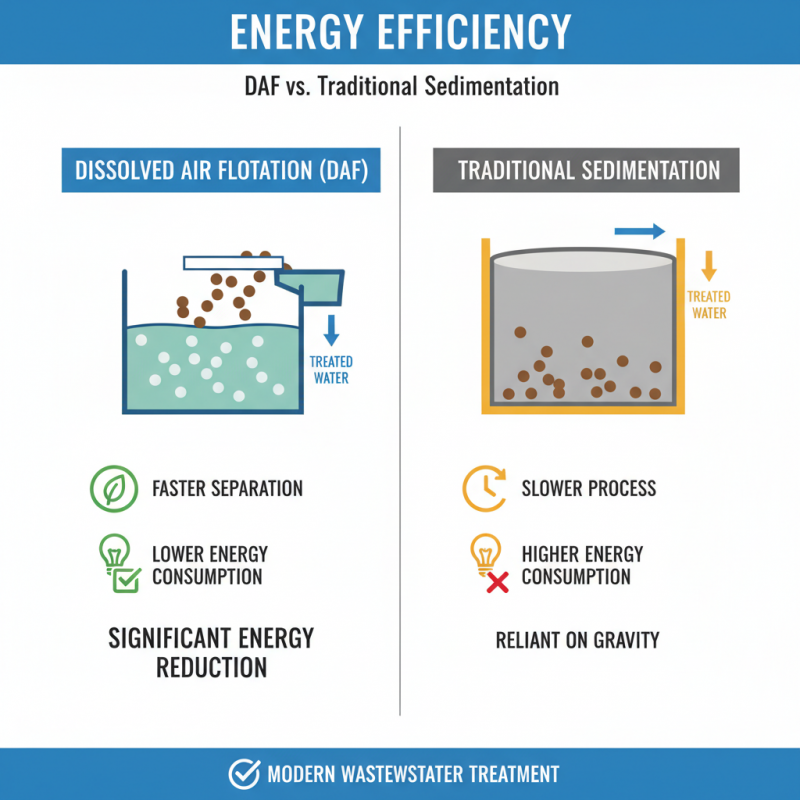
Dissolved Air Flotation (DAF) systems showcase remarkable energy efficiency compared to traditional sedimentation techniques. Conventional sedimentation often relies on gravity, which can be slow and energy-intensive. In contrast, DAF systems utilize air bubbles to create a floating effect, promoting faster separation of solids from liquids. This process can significantly reduce energy consumption, making it an attractive option for wastewater treatment.
The design of DAF systems allows for a compact footprint, which is beneficial in space-constrained environments. Unlike traditional systems that require large settling tanks, DAF can operate effectively in smaller areas. This efficiency doesn't just save space; it also translates to reduced operational costs. Operators often find that maintenance requirements are lower due to the streamlined processes involved.
However, it’s essential to acknowledge that DAF systems are not without challenges. The initial setup might involve higher capital investment. Additionally, variations in influent water quality can affect performance. Continuous monitoring is necessary to ensure optimal functioning. Engaging with experts in this field helps in adapting systems to specific needs, reinforcing the importance of expertise and reliability in deploying DAF technology.
Cost-Effectiveness: Long-Term Maintenance and Operation Savings
Dissolved Air Flotation (DAF) systems offer significant cost-effectiveness in long-term maintenance and operation. These systems require lower energy consumption compared to traditional methods. Over time, this leads to noticeable savings on utility bills. With less energy needed, facilities can reallocate funds to other important areas.
Maintenance of DAF systems is also straightforward. Many components are designed for easy access, minimizing downtime. Operators typically face fewer repairs, contributing to overall efficiency. Proper training can enhance this efficiency even further. It’s crucial, however, for facilities to remain vigilant. Neglecting routine checks may result in unexpected costs that could offset initial savings.
Another factor is the reduction of waste disposal costs. DAF systems can effectively remove a variety of contaminants from wastewater. By decreasing the volume of solids, users often pay less when disposing of sludge. However, the effectiveness of these systems largely depends on the initial setup and regular monitoring. Facilities must be willing to adapt and improve. Emphasizing proactive management can lead to maximizing the benefits of a DAF system.
Versatility in Treatment of Various Wastewater Types and Industries
Dissolved Air Flotation (DAF) systems are gaining recognition for their versatility in wastewater treatment. They can effectively handle different types of industrial wastewater, making them suitable for various sectors. Reports indicate that DAF systems can achieve removal efficiencies exceeding 90% for suspended solids. This capability is crucial for industries like food processing, where high organic loads are typical.
In the petrochemical sector, DAF units are employed to treat oily wastewater. This wastewater contains both suspended solids and emulsified oils. Studies show that DAF systems can reduce oil content to less than 10 mg/L. This meets strict regulatory standards and protects the environment. Their flexibility also extends to municipal wastewater treatment plants. They can adapt to fluctuating influent qualities, ensuring stability in treatment performance.
However, some issues persist. System maintenance and operational costs can be significant. Operators need to ensure proper air saturation levels for optimal performance. Without proper management, the efficiency of the treatment may decline. Therefore, ongoing training and system updates are essential to maximize the benefits of using DAF systems.