Best Dewatering Press Solutions for Global Buyers in 2026?
The global demand for efficient dewatering technologies is rising. As we approach 2026, the industry looks for innovative solutions. Experts are focusing on enhancing the performance of Dewatering Press systems. Renowned industry expert, Dr. Emily Chen, emphasizes, "Maximizing efficiency in Dewatering Press technology is crucial for sustainability."
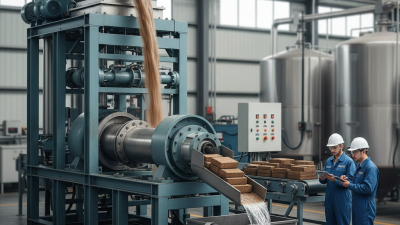
In various sectors, from wastewater treatment to food processing, the need for effective dewatering is evident. The Dewatering Press plays a vital role in reducing waste volume and improving resource recovery. As technologies evolve, so do the challenges associated with implementation. There is a constant push to meet regulatory standards, minimize energy usage, and optimize overall effectiveness.
While many companies strive for cutting-edge solutions, not all have succeeded. Some innovations lack real-world applicability. Critical evaluation of products is essential. Reliable testing and feedback from end-users can guide the selection of the best Dewatering Press solutions. Pursuing excellence in this field requires continuous adaptation and reflection on past performance.

Overview of Dewatering Press Technologies Available in 2026
In 2026, the landscape of dewatering press technologies is set to evolve significantly. As industries increasingly seek sustainable solutions, advancements in dewatering processes will play a crucial role. According to a recent market research report, the global dewatering equipment market is expected to reach $10 billion by 2026, growing at a CAGR of 5.6%. This growth reflects both a rising demand for efficient waste management and the need to reduce water consumption in various sectors.
Emerging technologies, such as belt filter presses and screw presses, exhibit promise for diverse applications. Belt filter presses are lauded for their efficiency and reliability. They can effectively process sludge, achieving dryness levels exceeding 20% solids. On the other hand, screw presses offer a compact design, making them ideal for space-limited settings. These devices can reduce operational costs significantly but might not perform as well with certain material types, requiring careful consideration for optimal application.
In 2026, automation and digitalization will further transform dewatering press solutions. Smart sensors and IoT integration allow for real-time monitoring. These innovations enhance performance and reduce human error. However, companies must weigh the benefits against potential cybersecurity risks. As technology advances, the industry must remain vigilant in addressing these challenges.
Key Market Trends Influencing Dewatering Press Demand Worldwide
The global dewatering press market is experiencing a transformative phase. By 2026, demand is projected to rise sharply, driven by the need for sustainable waste management solutions. A recent industry report indicates that the market is expected to grow at a CAGR of 5.8%, reflecting the increasing focus on eco-friendly practices. Environmental regulations are tightening across various regions, compelling industries to seek effective dewatering solutions.
One significant trend is the growing incorporation of automation in dewatering presses. Automation enhances efficiency and reduces labor costs. Companies report improved energy savings and waste reduction through advanced technologies. In sectors like food processing and municipal wastewater treatment, the demand for high-capacity, reliable presses is surging. However, the challenge remains in balancing costs with technology investments, a consideration many firms echo amid rising operational expenses.
Economic factors also play a role in shaping market dynamics. Fluctuations in raw material prices can impact the affordability of dewatering equipment and affect purchasing decisions. Many buyers remain cautious, assessing the long-term value rather than making impulsive purchases. This climate demands a review of supply chain strategies and adaptability to changing market conditions. The push for efficient and reliable dewatering solutions reveals both opportunities and challenges in the evolving landscape.
Top Manufacturers and Their Innovations in Dewatering Press Solutions
As global industries push for sustainability, innovative dewatering press solutions emerge as key players. Numerous manufacturers are investing heavily in research and development. This not only advances technology but also enhances efficiency. New designs allow for reduced energy consumption and improved water removal. Many systems now incorporate automated controls that adapt to varying material inputs. Such features increase reliability and optimize performance.
Furthermore, user feedback significantly shapes these innovations. Manufacturers are increasingly seeking insights from clients. This collaboration often leads to tailored solutions that better meet specific demands. Many dewatering presses are designed to handle various materials, from sludge to agricultural waste. Some models even feature modular components for easy upgrades. This flexibility reflects a growing trend toward customization.
That said, challenges remain. Consistency in performance under different operating conditions is still a concern. Manufacturers need to navigate regulatory standards while innovating. Balancing performance with eco-friendliness is not always straightforward. Continuous feedback loops between users and manufacturers are essential. They help identify areas needing improvement. Emphasizing practical solutions fosters an environment of shared progress.
Comparison of Dewatering Press Types: Features and Benefits
Dewatering presses are essential in various industries for efficient liquid removal from solids. A key type is the membrane filter press. This design uses a flexible membrane that aids in squeezing out water. It offers higher cake dryness compared to traditional presses. Users find that this feature enhances subsequent handling and storage. However, the complexity of the design can lead to maintenance challenges.
Another popular solution is the screw press. This type operates continuously, providing efficient processing of slurry materials. Its simplicity makes it easier to maintain and operate. Users frequently report lower operational costs associated with screw presses. Yet, some users notice that the final moisture content may not be as low as that achieved by other methods.
Belt filters are also widely used. They excel in applications requiring large volumes of materials. The continuous operation reduces labor costs significantly. However, the space requirements can be considerable. Buyers must assess their specific needs before selecting a dewatering press. Each type has unique advantages and limitations. Understanding these can lead to more informed choices in 2026 and beyond.
Best Dewatering Press Solutions for Global Buyers in 2026
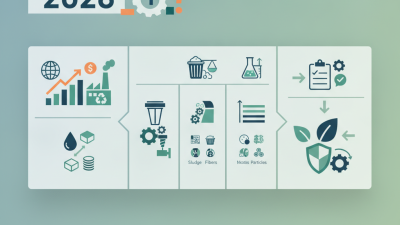
The chart above compares various types of dewatering presses based on their average efficiency as we look towards 2026. The analysis highlights the advantages of each type for global buyers, aiding in the decision-making process for optimal dewatering solutions.
Cost Considerations for Global Buyers of Dewatering Press Equipment
In 2026, global buyers of dewatering press equipment face unique cost considerations. The equipment’s cost varies greatly depending on technology, capacity, and performance. Understanding the features that influence pricing is essential. More advanced options often promise reduced operational costs over time, but the initial investment might be significant.
Budgeting for maintenance is another critical factor. Often, buyers overlook ongoing costs associated with repairs and regular servicing. For instance, choosing an affordable press may mean higher maintenance costs in the long run. It’s wise to factor this into total spending.
Tip: Research local service providers. This can help reduce maintenance expenses. Build relationships with technicians who understand the specific equipment.
Another aspect to consider is the energy efficiency of the dewatering press. Investing in energy-efficient models may result in savings over time. However, these models can sometimes be more expensive upfront. Evaluating long-term operational benefits versus initial costs is key.
Tip: Calculate energy savings over five years. This might reveal a clearer picture of total costs. Don’t hesitate to reach out to peers for insights. Learning from others can guide better purchasing decisions.