2026 Best Dispersed Air Flotation Solutions for Global Buyers?
In recent years, the importance of Dispersed Air Flotation (DAF) systems has surged globally. Industry reports indicate a projected growth rate of 6.5% in the DAF market from 2022 to 2028. This growth is attributed to increasing demands for efficient wastewater treatment solutions. Renowned DAF expert Dr. Emily Chen emphasizes, "Effective air flotation systems are vital for optimizing solid-liquid separation in various industries."
DAF technology plays a critical role in sectors ranging from municipal wastewater treatment to food processing. Companies now recognize the efficiency and cost-effectiveness of these systems. However, selecting the right DAF solution can be challenging. Missteps in the selection process often arise from insufficient attention to system specifications and operational requirements.
Understanding these nuances is crucial for global buyers. DAF systems are not one-size-fits-all; each application presents unique challenges. As companies strive for environmental sustainability, they must navigate these complexities carefully. Furthermore, ongoing innovations highlight both the potential and limitations of current DAF technologies. The journey to finding the ideal DAF solution is fraught with obstacles, encouraging a reflective approach to purchasing decisions.
Overview of Dispersed Air Flotation Technology
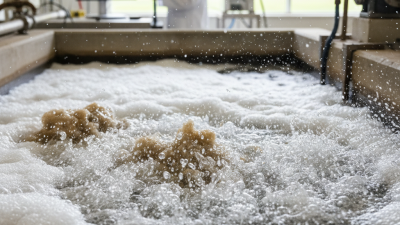
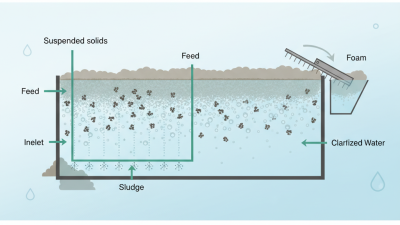
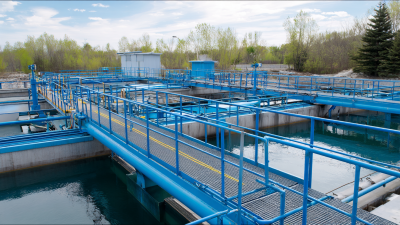
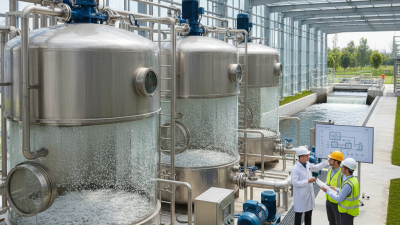
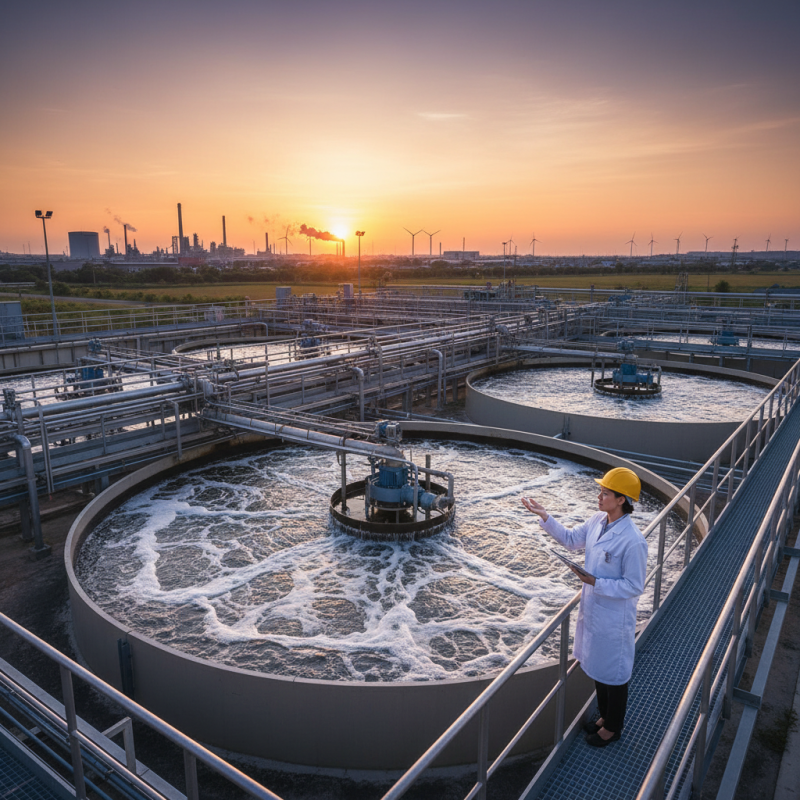
Dispersed Air Flotation (DAF) technology is gaining traction in wastewater treatment. It effectively removes suspended solids, fats, oils, and grease. This method relies on microbubbles to float contaminants to the surface for easy removal. As industries seek sustainable practices, DAF offers a viable solution.
Tips for implementation: Consider the specific contaminants present in your wastewater. Tailor your DAF system accordingly for optimal performance. Regular maintenance is crucial. It ensures the system operates efficiently and longevity is maintained.
DAF systems are not without challenges. Proper sizing and operating conditions are vital. An oversized or undersized unit can lead to poor performance. Adjusting air flow and pressure requires keen observation and expertise. Test and refine your setup regularly for the best results.
Engaging with experienced professionals can elevate the efficacy of your installation. They can provide insights tailored to your unique situation. Prioritize training for your staff on operational nuances. This fosters a culture of innovation and safety in your processes.
2026 Best Dispersed Air Flotation Solutions for Global Buyers
Key Features and Benefits of Dispersed Air Flotation Systems
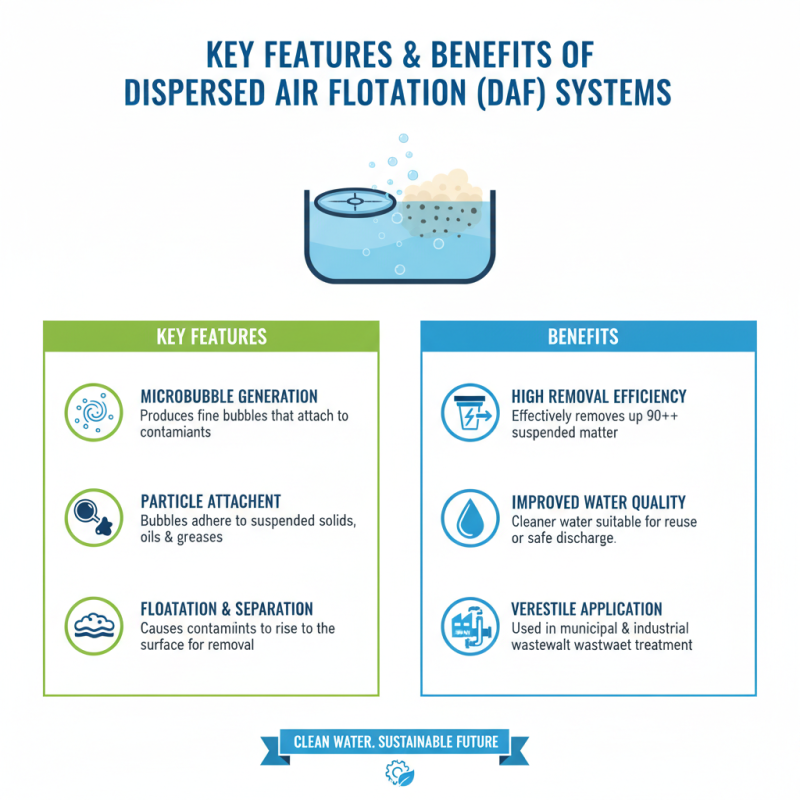
Dispersed air flotation (DAF) systems have emerged as a crucial technology for wastewater treatment. These systems are known for their efficiency in removing suspended solids, oils, and greases from water. One of the key features of DAF systems is their ability to generate micro-bubbles. These bubbles attach to particles in the water, causing them to float to the surface. This process results in cleaner water, making it suitable for reuse or discharge.
Another significant benefit of DAF systems is their compact design. Unlike traditional systems, DAF units require less space while providing high treatment capacity. This makes them ideal for facilities with limited space. Additionally, they can operate effectively under varying flow conditions, adding to their versatility. Many users appreciate the reduced chemical dependency, as DAF systems often require fewer chemicals than other treatment methods.
Tips for choosing the right DAF system include understanding your specific needs. Assess the volume and type of wastewater you handle. Consider the footprint of the system and how it fits into your existing setup. Furthermore, ensure the system can adapt to your changing needs over time. These reflections can guide you towards a more effective solution.
Top Manufacturers and Brands in the Market for 2026
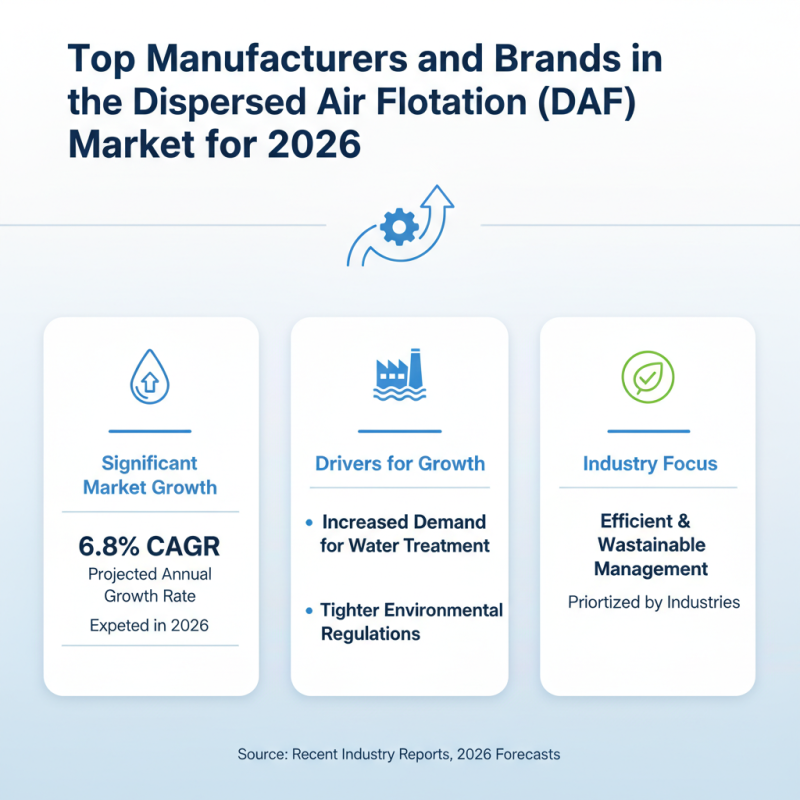
In 2026, the dispersed air flotation (DAF) market is expected to see significant growth. Recent industry reports indicate a projected annual growth rate of 6.8%, driven by increased demand for water treatment solutions. As environmental regulations tighten, industries will prioritize efficient and sustainable methods for wastewater management.
Top manufacturers are focusing on innovation. They invest significantly in research and development. Improved systems use advanced technologies that enhance the separation process. Reports highlight that systems with integrated automation can achieve over 90% efficiency in solid removal. However, challenges remain. Many companies struggle with cost control and maintaining system reliability.
Key players in the market are also exploring new materials for better durability. There's a trend towards eco-friendly options that align with sustainability goals. However, this shift can conflict with traditional manufacturing methods, creating tension between profitability and environmental responsibility. This evolving landscape signifies a critical period for buyers seeking effective DAF solutions.
Evaluation Criteria for Selecting Dispersed Air Flotation Solutions
When evaluating dispersed air flotation solutions, several key criteria come into play. Efficiency stands out as a primary measure. A solution must effectively separate solids from liquids with minimal energy consumption. Operational reliability is crucial. Systems should maintain peak performance even under varying conditions. This ensures consistency, a vital aspect for any industrial application.
Another important factor is ease of maintenance. Users require systems that are straightforward to clean and service. Complex designs can lead to downtime, which is not feasible for many operations. Cost-effectiveness cannot be overlooked. Initial investment and ongoing operational costs must align with budgetary constraints while providing measurable returns.
Lastly, look for flexibility in design. Different industries have unique requirements. A versatile system can adapt to various applications and hydraulic conditions. However, it's worth questioning whether all advertised solutions truly deliver on these promises. Continuous improvement and evaluation are necessary for selecting the best flotation systems, as not all options may meet expectations.
2026 Best Dispersed Air Flotation Solutions for Global Buyers
| Criteria |
Description |
Score (1-10) |
Comments |
| Efficiency |
Performance in removing contaminants from water |
9 |
Highly effective in various applications |
| Cost-effectiveness |
Overall operating cost and initial setup |
8 |
Affordable options available |
| Maintenance |
Frequency and complexity of required maintenance |
7 |
Some systems require regular servicing |
| User-Friendliness |
Ease of operation and training needed |
9 |
Intuitive controls and clear manuals |
| Environmental Impact |
Impact on local water bodies and sustainability measures |
8 |
Designed with eco-friendly technologies |
| Technology |
Level of innovation and technology used |
9 |
Incorporates advanced separation techniques |
Future Trends and Innovations in Dispersed Air Flotation Systems
Dispersed air flotation (DAF) systems are gaining traction in water treatment. The market is projected to grow at a CAGR of 6.5% by 2026, driven by industrial wastewater treatment needs. Innovations are reshaping system designs, enhancing effectiveness and efficiency. As environmental regulations tighten, these systems are becoming vital for sustainability efforts.
Recent studies indicate that integrating advanced technologies, such as automated monitoring and smart sensors, can improve operational reliability. These innovations lead to better performance and reduced maintenance costs. For example, real-time data analytics allow operators to optimize air injection rates and separation efficiency. However, challenges remain. Many facilities struggle with the initial setup costs of advanced systems.
The future of DAF systems lies in energy efficiency and user-friendliness. Many systems still require manual adjustments, highlighting the need for intuitive controls. Additionally, integrating renewable energy sources could mitigate operational costs further. Striking a balance between innovation and practicality will be crucial for widespread adoption among global buyers. The path forward may not be simple, but the potential for transformative impact is evident.