How to Choose Dispersed Air Flotation Systems for Your Needs?
Choosing the right Dispersed Air Flotation system is essential for effective water treatment. According to Dr. John Smith, a leading expert in the field, "The right system can significantly enhance operational efficiency." Dispersed Air Flotation technology separates contaminants from water through the use of fine air bubbles. This process is crucial in various industries, including wastewater management and food processing.
Understanding your specific needs is vital when selecting a system. Factors such as water chemistry, flow rates, and the type of contaminants must be considered. Each installation can present unique challenges. For instance, some systems may not fully remove all impurities, prompting further evaluation and adjustment. Maintenance considerations are also important. A poorly maintained Dispersed Air Flotation system can lead to reduced performance and increased operational costs.
The decision-making process should not be taken lightly. Engage with experts and thoroughly assess existing systems. The right choice can lead to cleaner water and better environmental compliance. Remember, it’s about finding the balance between technology and necessity. Your choice can either support sustainability or hinder progress.
Understanding Dispersed Air Flotation Systems: An Overview
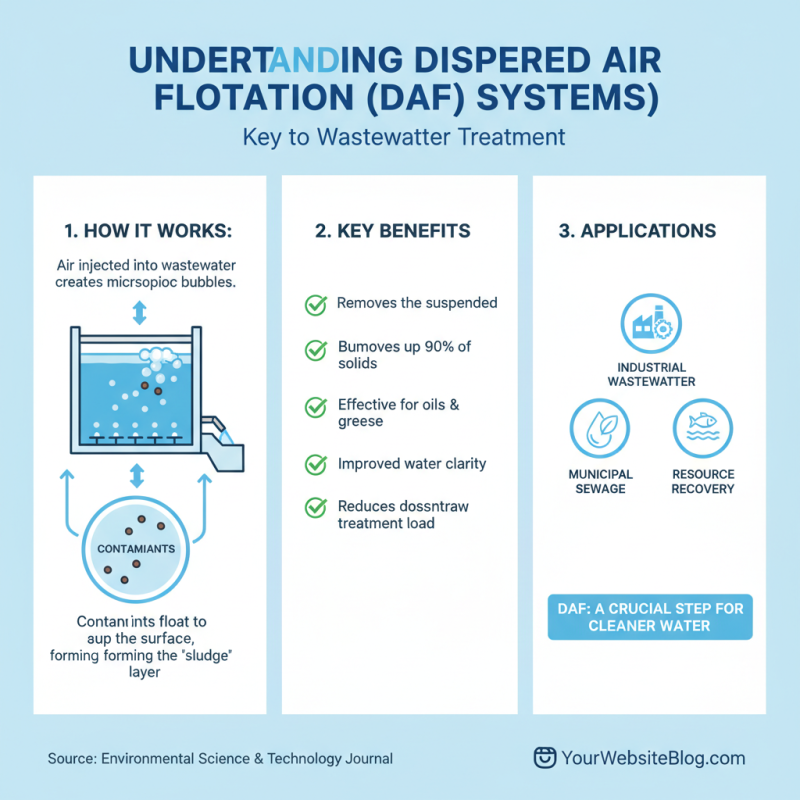
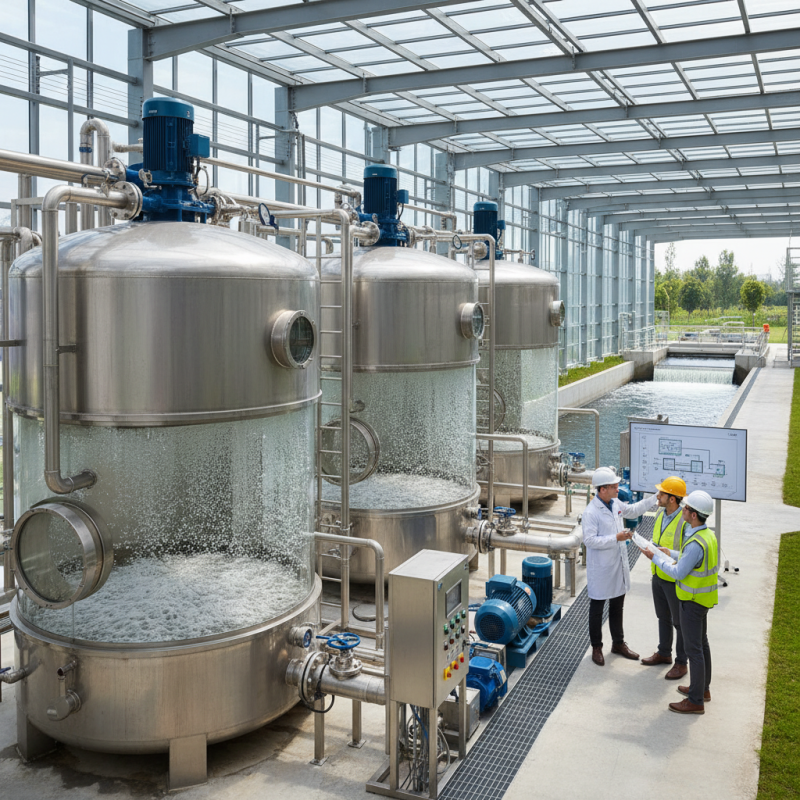
Dispersed Air Flotation (DAF) systems play a crucial role in wastewater treatment. These systems focus on the removal of suspended solids, oils, and other contaminants. Understanding their functionality is vital. DAF systems inject air into wastewater, creating small bubbles. These bubbles attach to contaminants, causing them to rise to the surface. Researchers estimate that DAF systems can remove up to 90% of suspended solids in certain applications.
Various factors influence the effectiveness of a DAF system. The size of air bubbles, for instance, has significant implications. Micro-bubbles (less than 100 microns) tend to provide better flotation rates. Selecting the right size is essential for optimal performance. Additionally, water temperature and pH levels affect separation efficiency. Studies indicate that higher temperatures can improve flotation rates, but this requires a careful balance to avoid impacting other processes.
Cost is another crucial consideration. While DAF systems can be expensive to install, their long-term benefits often justify the investment. A report from the American Water Works Association indicates that efficient DAF systems can save facilities up to 30% in operational costs over time. However, industries must assess their specific needs against potential operational costs. Choosing the right system can often involve complex decisions that require thoughtful evaluation.
Key Factors to Consider When Choosing a Dispersed Air Flotation System
Choosing the right dispersed air flotation system involves careful consideration of several key factors. Start with the application type. Identify the specific contaminants you need to remove. Different systems excel in addressing various impurities. For example, oils and fats may require a different approach than suspended solids.
Next, evaluate the flow rate requirements. Understanding your process's incoming wastewater volume is crucial for efficiency. An undersized system can lead to poor performance. Think about space too. The footprint of your chosen system should fit your facility without causing disruptions.
Don't overlook maintenance needs. Some systems require more upkeep than others. A complex system may offer high efficiency but can also demand significant resources for maintenance. Seek professional guidance when needed. Occasionally, systems can be over-engineered, leading to unnecessary complications. Prioritize reliability and performance over bells and whistles.
Types of Dispersed Air Flotation Systems and Their Applications
Dispersed air flotation systems are vital in various industries. They utilize tiny air bubbles to remove contaminants from water. Understanding the different types can help you choose the right one for your needs.
One common type is the conventional dissolved air flotation (DAF) system. It works by saturating water with air. The bubbles form and attach to solids, making them rise to the surface. This process is effective in treating wastewater in food processing and municipal applications. Another type is the induced air flotation (IAF) system. It generates bubbles without needing a separate saturation vessel. This makes it suitable for smaller operations or where space is limited.
Consider your specific requirements. The volume of water to be treated plays a crucial role. Is your application focused on oil or grease removal? Different systems may excel in various areas. Evaluating the effectiveness and efficiency of each type will guide your decision. Remember, not every system will fit perfectly. Sometimes, adjustments are required to achieve optimal results.
How to Choose Dispersed Air Flotation Systems for Your Needs? - Types of Dispersed Air Flotation Systems and Their Applications
| System Type |
Description |
Applications |
Advantages |
Limitations |
| Dissolved Air Flotation (DAF) |
Uses air to enhance the separation of solid particles from liquids. |
Wastewater treatment, oil-water separation. |
High efficiency in removing suspended solids. |
Requires chemicals for optimal performance. |
| Induced Gas Flotation (IGF) |
Generates microbubbles for flotation of solids and oils. |
Produced water treatment in oil and gas industries. |
Effective for light oil and sludge removal. |
Less effective for heavy solids. |
| Pressure Dissolved Air Flotation (PDAF) |
Involves higher pressures to dissolve air into water. |
Effluent treatment in municipal and industrial sectors. |
Compact design suited for limited spaces. |
Higher operational costs due to pressure needs. |
| Batch Flotation Systems |
Operates in discrete batches rather than continuously. |
Laboratory trials, small-scale operations. |
Flexibility to test different conditions. |
Not suitable for large-scale treatment. |
Evaluating Performance and Efficiency of Dispersed Air Flotation Systems
When choosing dispersed air flotation systems, evaluating their performance and efficiency is crucial. These systems rely on the generation of fine air bubbles to separate suspended solids from water. It's essential to consider how effectively these bubbles attach to the particles. Poor attachment results in lower removal rates, leading to unsatisfactory performance. Conducting tests under various conditions can reveal the system's limitations.
Another aspect to consider is energy consumption. A system may perform well but at an unsustainable energy cost. Efficiency should be a top priority, as excessive energy use can negate operational benefits. Examine available data on energy consumption relative to treatment volume. Systems with a balanced energy-to-treatment ratio may offer better long-term solutions.
Monitoring run times and maintenance requirements can also reveal insights. Systems that seem reliable may require frequent repairs, leading to unexpected downtimes. It’s important to gather feedback from operators about their experiences. Understanding both strengths and weaknesses will guide you in making a more informed choice, ensuring that the option selected aligns with operational demands and budget constraints.
Performance and Efficiency of Dispersed Air Flotation Systems
Maintenance and Support Options for Dispersed Air Flotation Systems
Maintaining dispersed air flotation systems is crucial for optimal performance. Regular checks can prevent unexpected shutdowns, reducing downtime. Many facilities report that proactive maintenance can improve efficiency by up to 30%. This is critical in wastewater treatment, where operational reliability directly impacts compliance with environmental regulations.
Support options vary widely. Some manufacturers offer comprehensive service packages, including routine maintenance and emergency repairs. Others provide minimal support. Facilities should assess their needs before selecting a vendor. Studies indicate that facilities with robust support plans experience fewer operational issues, with reported performance improvements around 25%.
Training staff is often overlooked. Proper use of these systems can enhance their lifespan. Reports show that well-trained personnel can troubleshoot issues, leading to a decrease in service calls. This hands-on experience fosters a culture of safety and efficiency, encouraging continuous improvement. Ignoring maintenance can lead to costly repairs and operational failures. Balancing attention to upkeep with the demands of daily operations is essential for long-term success.