Leave Your Message

How to Choose the Best Continuous Screw Press

Choosing a Continuous Screw Press is not simply a matter of buying the largest machine within budget. The right press must match the material, operating rate, and quality of the output you need. A fibrous feedstock, for example, may behave very differently from a wet, fine-grained one. Moisture, particle size, and changes in daily production can all affect separation and throughput. Small details count.

A sound comparison starts with real process conditions. Ask suppliers to assess your feedstock, explain their capacity assumptions, and provide performance data relevant to your application. Check screw design, screen openings, drive power, adjustment options, and the expected wear parts. These details influence not only pressing performance, but also cleaning time and maintenance access. A specification sheet alone may not reveal how a machine handles uneven material. That matters.

Consider the whole operating picture: installation space, operator training, spare-part availability, and technical support. Request references or a material test where practical, and clarify what performance claims include. Even a well-sized press can disappoint if upstream feeding is inconsistent or maintenance is difficult. There is no perfect choice for every plant; trade-offs deserve a closer look. This guide outlines the questions that help buyers compare options with care, identify avoidable risks, and select a press that fits both current needs and likely operating changes.
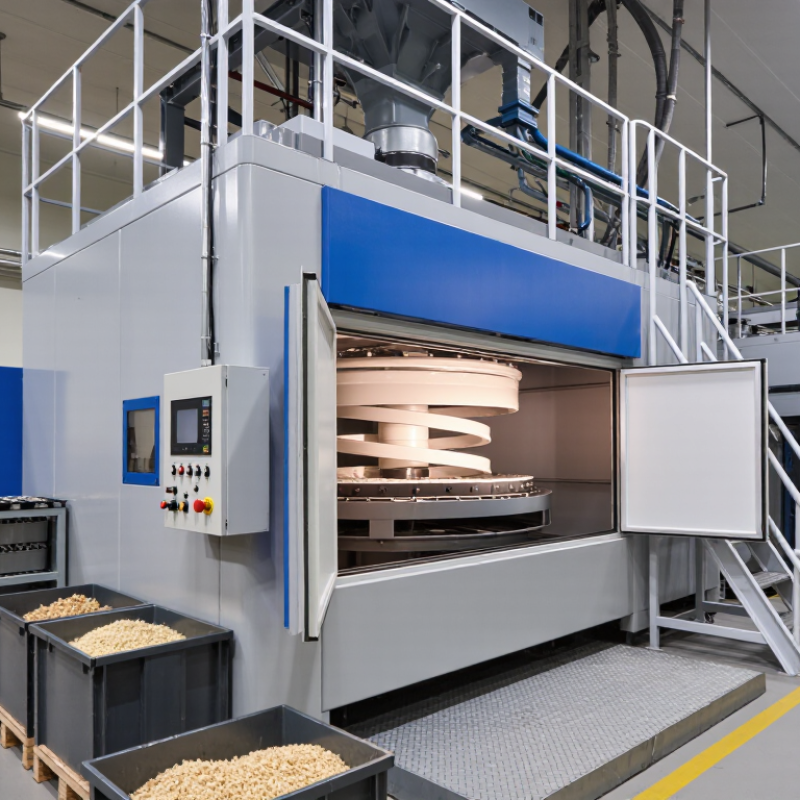
How to Choose the Best Continuous Screw Press

Understand How a Continuous Screw Press Works

Understand How a Continuous Screw Press Works

A continuous screw press moves wet material through a narrowing channel. A rotating helical screw carries the feed forward while gradually applying pressure. As the available space decreases, liquid is forced through openings in a surrounding screen. The separated solids leave the outlet as a damp cake. The process runs steadily, rather than in separate batches. Small details matter.

Operators can adjust screw speed, pressure, and feed rate to suit the material. Too much pressure may compact the solids and restrict drainage. Too little may leave the cake wetter than expected. Feed consistency also affects performance: a sudden change in moisture or particle size can alter how material moves through the press. There is no single ideal setting for every feed. Even a well-chosen machine may need careful tuning.

Tips: Ask for trials using material similar to your own. Check cake dryness, liquid clarity, throughput, and cleaning access. Record results at different settings; one test can be misleading. A simple log often reveals patterns that are easy to miss during a busy shift.
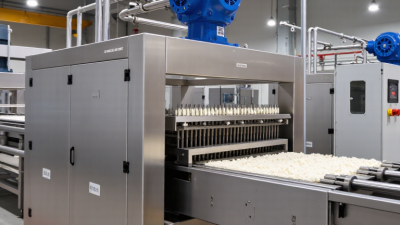
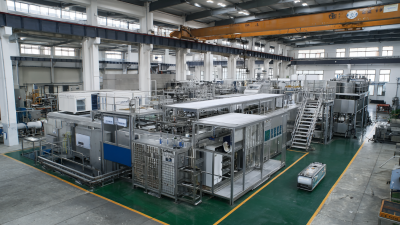
Define Your Material and Processing Requirements

Start with the material, not the machine. Record its solids content, particle size, temperature, and flow behavior. Note whether it contains long fibers, gritty particles, or sticky fines. These details affect how the screw conveys and compresses the feed. A watery slurry may drain quickly, while a fibrous mix can bridge or wrap around internal parts. Small changes matter.

Measure how the feed changes during a normal shift. A single sample can hide real variation. Define the required hourly throughput, operating hours, and acceptable moisture level in the discharged cake. Also consider where that cake will go: a damp, heavy pile may need different handling than material moved by conveyor. Include available floor space, wash-water supply, power, and access for routine cleaning. These are easy to overlook.

Ask for trials using representative material, not an unusually clean sample. Compare repeated runs for throughput, cake moisture, and signs of blockage. Results may not match full-scale operation exactly. That estimate will be imperfect. Still, recording feed conditions and test settings gives you a useful basis for discussing press size, screen openings, and operating speed.

Compare Capacity, Pressure, and Screw Design

Choosing a continuous screw press starts with the material, not the nameplate capacity. Record feed rate, moisture range, particle size, and changes across a typical shift. A press rated for two tons per hour may struggle when wet feed arrives in surges. Ask for capacity data based on representative samples, not ideal conditions. Small differences matter.

Pressure affects how much liquid is removed, but higher pressure is not always better. Excessive compression can raise energy use, wear parts faster, or squeeze solids into the drainage zone. Check the screw’s pitch, shaft diameter, and compression profile. A gradual reduction in pitch often creates steadier pressure; the right profile still depends on the material. Compare trial results for cake dryness, throughput, and power use. One test may not capture seasonal changes, so allow some margin in your estimates.

Tips: Request a feed sample test. Check the wear parts. Ask how adjustments affect output, and note any trade-offs before choosing.

How to Choose the Best Continuous Screw Press

Compare capacity, pressure, and screw design. The chart shows qualitative design tendencies, not measured performance data.

How to read it: A coarser pitch generally favors conveying capacity, while a finer pitch or increasing compression zone generally raises compression. A variable-pitch screw balances both. The relative index is illustrative; actual throughput and pressure depend on feed material, machine geometry, speed, and operating conditions.

Evaluate Construction, Controls, and Maintenance Needs

A continuous screw press should be judged by what operators can inspect and service, not by a polished capacity figure. Check whether wetted parts resist the actual feed’s corrosion and abrasion, and whether screens, seals, and screw sections can be reached without dismantling half the machine. Ask for material specifications and replacement intervals. Small details matter.

Controls should show feed rate, torque, wash-water flow, and alarms clearly. A trend history helps distinguish changing sludge from a failing component. Ask suppliers to test representative feed, not idealized samples; solids content and polymer demand can shift results.

The U.S. EPA’s 2000 Wastewater Technology Fact Sheet: Belt Filter Press reports cake solids ranging from 12% to 50%, depending on sludge and operating conditions. That is a useful reminder of process variability, not a screw-press performance guarantee. Request comparable site data and define the test conditions.

Maintenance planning deserves equal weight. Confirm screen-cleaning access, lubrication points, wash-water requirements, and safe isolation procedures. Ask how many labor hours routine service takes, and which wear parts must be stocked locally. Listen for vague answers. A modestly lower throughput may be acceptable if one technician can clear a blockage quickly. Still, no brochure can predict every feed change; that uncertainty belongs in the operating plan.

Select a Press That Fits Your Facility and Budget

A continuous screw press should fit the room, not just the process diagram. Measure door clearances, floor loading, headroom, and space for cake bins before comparing quotations. Record feed flow, solids concentration, operating hours, and target cake dryness across typical and peak days. Small details matter. A press sized for an average day may struggle during seasonal surges, while oversizing can leave capital and floor space underused.

Budget for the whole installation. Include foundations, conveyors, wash-water connections, electrical work, operator time, maintenance parts, and disposal costs.

The U.S. EPA’s 2022 Clean Watersheds Needs Survey estimated $630.1 billion in clean-water infrastructure needs over 20 years; that broad figure underscores why facilities must scrutinize lifecycle costs, not purchase price alone.

Ask suppliers to state the test conditions behind capacity and cake-dryness claims. Then compare estimated energy and labor use against your own operating data. A spreadsheet will not capture every surprise. I have seen estimates miss awkward pipe runs and access limits; verify those on site, even when it delays a decision. Short trials using your actual sludge can expose performance gaps before installation.