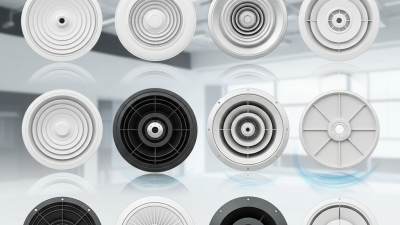
Choosing the right Membrane Air Diffuser can determine whether an aeration system runs efficiently or wastes energy. The decision affects oxygen transfer, blower pressure, maintenance effort, and treatment stability. A diffuser that performs well in clean water may struggle in wastewater containing grease, fibers, or heavy suspended solids.
Start with the basin conditions, not the product label. Identify the required airflow, operating depth, wastewater temperature, solids concentration, and cleaning schedule. Fine-bubble diffusers usually provide efficient oxygen transfer, but their smaller openings may foul more easily. Coarse-bubble designs resist blockage better and support stronger mixing, although they can consume more energy. The best choice depends on the treatment goal.
Material selection deserves equal attention. EPDM membranes often suit general municipal applications, while silicone or PTFE options may perform better under specific chemical or temperature conditions. Check verified test data, pressure-loss curves, oxygen-transfer results, and membrane life estimates. Ask whether testing reflects your basin depth and airflow range. Laboratory figures can look impressive.
Field reliability matters more.
Inspectors should also review installation details. Uneven leveling, damaged connections, or poor air distribution can reduce performance across an entire grid. Operators commonly notice rising blower pressure before visible membrane failure. That warning should not be ignored. A diffuser may be inexpensive, yet replacing it can require draining equipment, scheduling labor, and interrupting treatment. No selection is perfect. Careful comparison, realistic operating data, and feedback from experienced technicians provide the most dependable path.
Choosing a membrane air diffuser starts with its role, not its catalog diameter. Its job is to release small bubbles, transfer oxygen, and support biological treatment. Mixing is useful, but it is not always the main duty. In an activated-sludge basin, oxygen demand changes with loading, temperature, ammonia, and dissolved oxygen targets. A diffuser sized for average flow may struggle during peak loading. That gap matters.
Operating conditions define the real selection. Record tank depth, airflow range, wastewater temperature, solids concentration, salinity, oil exposure, and cleaning access. Greater submergence increases hydrostatic pressure and blower demand. The U.S. EPA Fine Bubble Aeration fact sheet reports typical clean-water transfer rates of about 2–6% per foot of submergence. However, wastewater performance declines when fouling, surfactants, and the alpha factor reduce oxygen transfer. Clean-water data is not plant data. This distinction is often missed.
Airflow must remain within the membrane’s recommended range. Too little air can cause uneven distribution and local clogging. Too much air may enlarge bubbles, increase pressure loss, and waste electricity. The U.S. EPA reports that aeration can consume 45–75% of a wastewater plant’s energy. That makes control as important as diffuser selection. The Water Environment Federation’s Manual of Practice No. 32 also emphasizes site-specific oxygen-transfer testing. I would not trust a single factory curve. Pilot testing, off-gas checks, and pressure trending reveal problems earlier. A practical selection can still be wrong when maintenance access is ignored. Membrane material, cleaning frequency, and seasonal operation deserve equal attention.
Choosing a membrane air diffuser starts with the wastewater, not the catalog. EPDM suits many municipal applications and offers balanced durability and cost. Silicone remains flexible in colder conditions and can support stable air release. PTFE-faced membranes resist certain oils, but they may require higher initial investment. Confirm chemical compatibility through supplier data and actual process samples.
Pore size directly affects bubble diameter, oxygen transfer, and fouling risk. Small pores create fine bubbles and often improve oxygen efficiency. That sounds ideal. Yet fine pores can clog faster when grease, solids, or biological growth enter the air system. Larger pores tolerate rougher conditions but may reduce transfer efficiency. Measure airflow, pressure, and dissolved oxygen during commissioning. One reading is not enough.
Diffuser design also changes maintenance and basin coverage. Disc diffusers work well in grids and can provide even distribution across large floors. Tube diffusers offer flexible layouts and may simplify access in narrow tanks. Panel designs can deliver high active area, but their frames need careful support. Check membrane tension, header alignment, and air distribution before full operation. A common field mistake is selecting by pore size alone. Actual performance also depends on submergence, airflow density, cleaning intervals, and uneven loading. Leave room to adjust.
Match diffuser capacity to oxygen transfer demand, not simply basin size. Calculate oxygen needs during peak loading, warm water, and low dissolved oxygen conditions. Then estimate airflow per diffuser using verified oxygen transfer data. A diffuser designed for high airflow may perform poorly at low airflow. Oversizing can create uneven bubble distribution and increase blower energy use.
Small bubbles matter. Compare clean-water oxygen transfer results with actual wastewater conditions. Solids, salinity, temperature, and membrane fouling can reduce field performance. Use correction factors supported by pilot testing or reliable engineering data.
If a basin needs 120 kilograms of oxygen per hour, avoid choosing equipment with only 120 kilograms of nominal capacity. Add a practical operating margin, but do not create excessive reserve. Airflow stability matters.
Check pressure loss, header balance, and diffuser submergence before confirming the selection. The normal operating point should remain within the diffuser’s effective airflow range. At very low airflow, some units may release larger bubbles or become inactive.
At excessive airflow, membranes may stretch and age faster. During commissioning, compare pressure readings with dissolved oxygen results. One imperfect assumption often survives design review: clean-water performance equals plant performance. It does not. Reassess seasonal loading, maintenance records, and membrane aging.
Choosing a membrane air diffuser starts with the tank, not the catalog. Map basin dimensions, water depth, inlet zones, and future operating levels before selecting disk or tube units. A dense grid can improve oxygen transfer, yet it may complicate access around mixers, drains, and inspection paths. Keep service clearances visible on the drawing. Air distribution also matters. Long laterals can create uneven pressure, especially when diffuser fouling develops. Use hydraulic calculations, then confirm them with field airflow readings.
Energy use depends on more than nominal oxygen transfer. Compare diffuser pressure loss, operating submergence, airflow range, and blower efficiency at the actual duty point. A fine-pore membrane may transfer oxygen efficiently, but excessive airflow can increase shear, noise, and power consumption. Do not size from peak demand alone. Check turndown during low-load periods. Variable-speed control can reduce wasted energy, provided minimum airflow prevents dead zones and backflow. Test dissolved oxygen at several basin locations, not only near the probe. This is where assumptions often fail.
Maintenance planning should influence diffuser selection before installation. Choose membrane materials compatible with wastewater chemistry, temperature, oils, and cleaning chemicals. Allow lifting points or removable assemblies without draining the entire basin. Record baseline airflow, pressure, and oxygen readings after commissioning. Rising pressure at the same airflow often signals fouling or aging membranes. Still, pressure alone cannot identify every problem. Inspect fouling patterns and verify blower instruments. A practical schedule may begin quarterly, then change with measured conditions. No schedule should replace evidence.
Pressure loss is a key indicator of blower energy demand. The chart shows typical clean-diffuser pressure-loss ranges at different airflows per metre of diffuser length. Lower pressure loss generally reduces operating energy, while the final selection should also consider basin layout, oxygen-transfer requirements, fouling risk, and cleaning access.
Values shown are typical engineering design ranges for clean diffuser systems and should be verified against site-specific testing and supplier performance data.
Choosing a membrane air diffuser requires more than comparing purchase prices. Aeration often uses 45–75% of a wastewater plant’s electricity, according to the U.S. EPA’s Energy Efficiency guidance. A diffuser with stable oxygen transfer can therefore reduce long-term operating costs. Fine-pore membranes usually provide stronger oxygen transfer than coarse bubbles. However, their smaller pores can foul faster in grease, hardness, or poorly filtered air.
Durability also changes the real cost. Inspect membrane material, operating temperature, chemical exposure, and cleaning requirements. The Water Environment Federation recommends evaluating diffuser performance under actual wastewater conditions, not laboratory water alone. I would not treat catalog oxygen-transfer values as guaranteed. Field conditions can reduce efficiency. A cheaper unit may require more frequent cleaning, replacement labor, and longer blower operation. Those hidden expenses can outweigh the initial saving within a few years.
Tips: Request oxygen-transfer data, pressure-loss curves, and test conditions. Compare lifecycle cost over five to ten years. Check whether the supplier explains membrane aging and fouling control clearly. Keep spare membranes available for planned maintenance. Measure basin airflow and dissolved oxygen after installation. This reveals performance drift early. Selection is rarely perfect. A diffuser designed for maximum efficiency may demand stricter maintenance than your team can provide.
| Membrane Diffuser Type | Typical Bubble Size | Indicative Unit Cost (USD) | Expected Service Life | Oxygen Transfer Potential | Energy Demand | Clogging and Fouling Resistance | Recommended Use | Overall Selection Profile |
|---|---|---|---|---|---|---|---|---|
| EPDM Fine-Bubble Disc | 1–3 mm | $35–$95 per disc | 5–10 years with suitable wastewater and routine cleaning | High; provides a large gas–liquid contact area and generally good oxygen transfer efficiency | Low to moderate at a typical operating pressure of approximately 30–60 kPa | Moderate; organic fouling, scaling, and chemical attack can reduce elasticity and airflow | Municipal wastewater treatment, activated-sludge basins, and general biological treatment | Best balanced option Strong combination of price, availability, and performance |
| EPDM Fine-Bubble Tube | 1–3 mm | $45–$130 per tube | 5–10 years, depending on cleaning frequency and operating conditions | High; provides broad aeration coverage along the tank floor | Low to moderate; suitable for evenly distributed airflow | Moderate; requires periodic inspection for uneven air distribution and fouling | Long aeration lanes, oxidation ditches, and tanks requiring linear air coverage | Best for coverage Useful where diffuser layout and floor coverage are priorities |
| Silicone Fine-Bubble Disc | 1–3 mm | $70–$180 per disc | 8–15 years in compatible applications | High; stable fine-bubble formation over a wide airflow range | Low to moderate; often operates effectively at relatively low airflow per disc | Good; generally maintains flexibility over a broader temperature range than standard EPDM | Industrial wastewater, variable-load plants, and applications with elevated temperature requirements | Best for flexibility Higher initial cost may be justified by demanding operating conditions |
| PTFE-Coated Membrane Disc | 1–3 mm | $100–$250 per disc | 8–15 years, subject to chemical exposure and mechanical handling | High; supports efficient aeration when correctly sized and operated | Low to moderate; pressure loss depends on membrane design and fouling level | Very good against many organic foulants and selected chemicals; compatibility must be verified | Industrial wastewater with difficult fouling conditions or more aggressive contaminants | Best for fouling resistance Premium option requiring chemical compatibility review |
| EPDM Coarse-Bubble Disc | 4–8 mm | $30–$85 per disc | 5–10 years under normal service conditions | Moderate; lower oxygen transfer than fine-bubble designs but strong mixing capability | Moderate to high; often requires higher airflow to achieve the desired mixing effect | Good; larger openings are generally less sensitive to fine solids and biological fouling | Equalization tanks, grit chambers, sludge holding tanks, and applications needing strong mixing | Best for mixing Choose when solids movement is more important than maximum oxygen efficiency |
| Silicone Coarse-Bubble Disc | 4–8 mm | $60–$140 per disc | 8–15 years in suitable operating environments | Moderate; prioritizes mixing and robust air release rather than maximum transfer efficiency | Moderate to high, depending on airflow and diffuser spacing | Good to very good; flexible membrane can tolerate variable operating conditions | Industrial equalization, sludge storage, and tanks exposed to temperature variation | Best for demanding mixing Higher material cost provides additional durability in selected applications |
| Data basis and selection note: Values are typical planning ranges for membrane air diffusers and are not a substitute for a project-specific design. Actual cost and service life depend on diffuser diameter, membrane thickness, air flux, wastewater composition, temperature, submergence depth, cleaning practice, blower condition, and installation quality. Fine-bubble systems generally provide higher oxygen transfer efficiency, while coarse-bubble systems normally provide stronger mixing and better tolerance of solids. Compare suppliers using clean-water oxygen transfer, standard oxygen transfer efficiency, pressure loss, airflow range, warranty terms, and whole-life cost rather than purchase price alone. | ||||||||