Leave Your Message

How to Choose the Right Micro Dosing Pump for Your Needs?

Choosing the right Micro Dosing Pump can significantly impact various industries. Recent reports show that the global demand for precise dosing solutions has increased by 25% in the last five years. This trend highlights the need for understanding the specific needs of your applications. Whether it's chemical processing, pharmaceuticals, or agriculture, selecting the appropriate pump can optimize performance and reduce waste.

Micro Dosing Pumps offer precision control over fluid delivery. Many operators still struggle to navigate the options available. This confusion can lead to costly mistakes that affect production. It is essential to evaluate the pump's capacity, flow rate, and fluid compatibility. Professionals must also consider installation and maintenance requirements.

Awareness of technical specifications is crucial. However, factors like user experience and feedback are often overlooked. Utilizing industry databases can provide valuable insights. These resources help in making informed decisions. Remember, the right Micro Dosing Pump can lead to efficiency and cost savings, while the wrong choice can create setbacks. Prioritize informed choices to achieve your operational goals.
How to Choose the Right Micro Dosing Pump for Your Needs?

Understanding Micro Dosing Pumps: An Overview

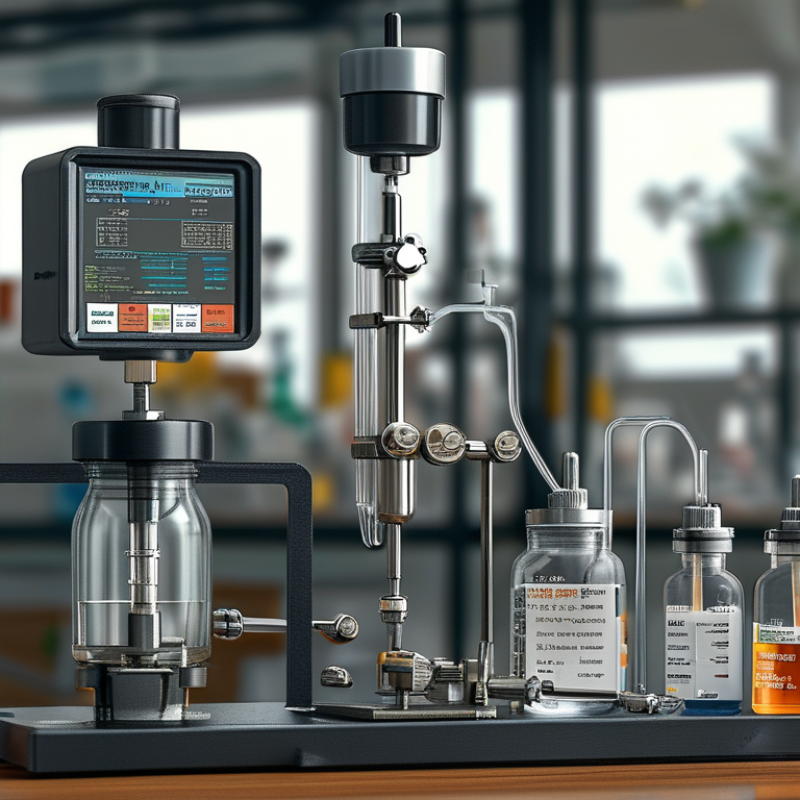
Micro dosing pumps are essential tools used in various industries, from pharmaceuticals to agriculture. These devices accurately dispense small quantities of liquids. They can greatly enhance precision in applications that require controlled delivery. Understanding the fundamentals of micro dosing pumps helps users select the right one for their specific needs.

When considering a micro dosing pump, it’s crucial to evaluate several factors. Flow rate is a primary consideration. It determines how quickly the pump can dispense liquid. Users should also consider the type of liquid being pumped. Some liquids can be viscous or corrosive, influencing pump material and design choices. Compatibility with existing systems is another element often overlooked. Mismatched components can lead to inefficiencies.

Calibration is another critical aspect. Many pumps require regular adjustment to maintain accuracy. Users may find themselves needing to recalibrate their equipment frequently. This might seem tedious, yet it ensures optimal performance. Understanding these nuances can minimize frustration later on. Embracing the learning curve in selecting and maintaining these pumps is often a necessary part of the process.
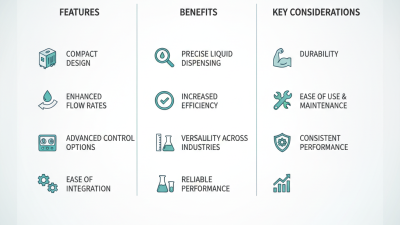
Key Factors to Consider When Choosing a Micro Dosing Pump

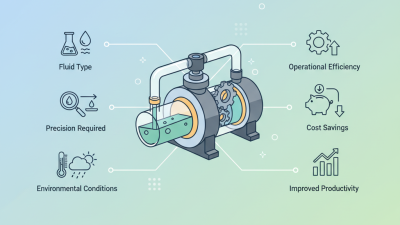
Choosing the right micro dosing pump involves several key factors that can significantly impact your processes. Start by considering the flow rate. It determines how much liquid is dispensed over time. If the flow is too slow, you may face delays. Too fast, and you risk overshooting.

Next, evaluate the accuracy and precision of the pump. This is essential for applications requiring exact doses. Check if the pump can maintain consistency across different operating conditions. Calibration is vital here; pumps that drift over time can lead to inefficiencies.

Tips: Always check user reviews and testimonials. Real users often highlight strengths and weaknesses. Consider the material compatibility of the pump with the solutions you plan to use. This can prevent issues later.

Additionally, take into account the ease of installation and maintenance. A complex setup can lead to operational hurdles. Assessing the technical support offered by the supplier is also important. This can save time during troubleshooting.

Reflect on whether you might outgrow the pump’s capacity. You don’t want to invest in a system that quickly becomes obsolete. Gather information and explore multiple options before making a decision.

How to Choose the Right Micro Dosing Pump for Your Needs?

Feature Description Importance
Flow Rate The amount of liquid the pump can dispense per unit time. High
Viscosity Compatibility Ability of the pump to work with different thicknesses of fluids. Medium
Drive Mechanism Type of operation, such as electric, pneumatic, or manual. High
Material Compatibility Materials used in the pump suitable for various chemicals. High
Accuracy Precision in delivering the desired amount of fluid. High
Maintenance Requirements Frequency and ease of maintenance needed for optimal performance. Medium
Cost Initial purchase price and long-term operation costs. High

Types of Micro Dosing Pumps and Their Applications

Micro dosing pumps come in various types, each tailored for specific applications. Peristaltic pumps are popular for their accuracy. They excel at dosing liquids without contamination, making them ideal for food processing and chemical applications. A report by the International Society for Pharmaceutical Engineering suggests that peristaltic pumps can achieve dosing accuracy of ± 0.5%. This high precision is crucial in industries requiring strict compliance with regulations.

Diaphragm pumps are another type, known for their robust construction. They handle aggressive fluids and are useful in water treatment facilities. According to data from the Chemical Engineering journal, diaphragm pumps can manage pressures up to 100 psi. This capability makes them suitable for situations where high pressure is essential. However, their maintenance can be more demanding compared to other types, a factor to consider before choosing one.

When selecting a micro dosing pump, consider your specific needs. Assess the fluid you will be pumping. Is it aggressive, viscous, or sensitive to shear? Adaptability could be crucial here. It's also vital to consider pump maintenance. Regular checks can ensure longevity. Don't overlook the pump’s efficiency. An efficient pump reduces operational costs.

Micro Dosing Pumps: Types and Applications

This chart illustrates the various types of micro dosing pumps and their relative applications based on usage percentage. Peristaltic pumps are the most commonly used, followed by diaphragm pumps, showcasing the importance of selecting the right pump type for specific dosing needs.

Assessing Flow Rate and Precision for Your Needs

When selecting a micro dosing pump, flow rate and precision play crucial roles. Flow rate refers to how much liquid the pump delivers over time. It’s essential to match the flow rate to your specific application. For example, a laboratory setting may require very low flow rates for accurate testing. In contrast, industrial applications might need higher rates. Understanding your requirements ensures you choose a pump that can effectively meet your needs without over or under-delivering.

Precision is equally important. A pump must consistently deliver accurate amounts of liquid. This ensures the effectiveness of your processes. You might encounter challenges if the pump's precision doesn’t meet your standards. Variability can lead to unwanted results, wasting resources and time. Look for pumps that provide reliable data on their precision, including the margin of error. Testing and calibration features can also enhance reliability.

Assessing both flow rate and precision can be subjective. Your experience with different pumps may influence your choices. Reflecting on past pump performance is beneficial. Consider what worked and what didn’t. Trial and error can guide you toward a pump that better fits your specific needs.

Budget and Maintenance Considerations for Micro Dosing Pumps

When selecting the right micro dosing pump, budget and maintenance are crucial factors. The price of these pumps can range widely. Basic models start at around $100, while advanced systems may exceed $1,000. As reported by industry analysts, roughly 60% of users find that the long-term savings on chemical use can offset the initial purchase price. Investing in quality can yield significant efficiency gains.

Maintenance is another essential aspect to consider. Regular checks can minimize issues and extend product lifespan. For example, pumps that require less frequent calibration can save you time and money. Research indicates that 30% of users overlook maintenance, leading to increased operational costs. It is vital to implement a maintenance schedule to ensure optimal performance.

Tips: Choose a pump with low ongoing maintenance costs. Check user reviews on reliability. Consider equipment that offers easy access for routine upkeep. Investing in a durable model might seem expensive at first, but reflect on potential downtime without it. Making informed decisions now will lead to better outcomes later.