Leave Your Message

How to Choose the Right Micro Dosing Pump?

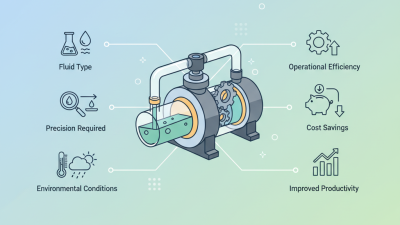
Choosing a Micro Dosing Pump starts with understanding what the process actually needs. A pump that performs well with water may behave differently with a thicker liquid, a corrosive solution, or a fluid that contains tiny particles. Small changes in viscosity, temperature, and tubing can affect flow and repeatability. Details matter.

Begin with the required flow range, operating pressure, and dosing frequency. Then check whether the wetted materials are compatible with the fluid. Confirm the pump can deliver the needed volume consistently, especially at low flow rates. For example, a process requiring short, repeated doses may need different control features than one running continuously. A neat specification sheet can still leave questions. Ask suppliers how performance was tested, and under what conditions.

Consider installation space, available power, control signals, cleaning needs, and replacement parts. A compact pump may fit the equipment, but servicing it in a crowded cabinet could be awkward. That part is easy to overlook. Review calibration procedures and verify accuracy in your own operating setup when possible. Published figures are useful, not a substitute for testing.

The right choice balances fluid compatibility, dependable dosing, maintenance, and total operating cost. No single model suits every application. Even experienced teams sometimes revise their selection after a trial. That is not necessarily a failure; it can reveal a detail the original requirements missed. Define the critical conditions before comparing models, and document any assumptions that remain uncertain.
How to Choose the Right Micro Dosing Pump?

Define the Application and Required Dosing Range

How to Choose the Right Micro Dosing Pump?
Define the Application and Required Dosing Range

Start by describing the task in measurable terms. Is the pump adding a small amount continuously, or delivering separate doses into a vessel? Note the fluid’s viscosity, temperature, and chemical properties. A thin liquid may flow easily, while a thicker one can respond slowly or unevenly. Record the available pressure, tubing length, and the height difference between the pump and delivery point. Small details matter.

Set the minimum and maximum dose needed per cycle, along with the required delivery rate. Use real operating conditions when estimating the range; water-like test results may not reflect a viscous fluid or a long tube. Check whether the pump can repeat the smallest dose reliably, not just reach it once. Small errors matter. Consider priming time, pauses between doses, and how often calibration is practical. It is tempting to focus on the lowest advertised volume, but that figure alone may not predict performance in your setup. Test it wet. A short trial with the intended fluid can reveal air bubbles, delayed flow, or inconsistent drops that a specification sheet cannot show.
Compare Micro Dosing Pump Types and Operating Principles

How to Choose the Right Micro Dosing Pump?
Compare Micro Dosing Pump Types and Operating Principles

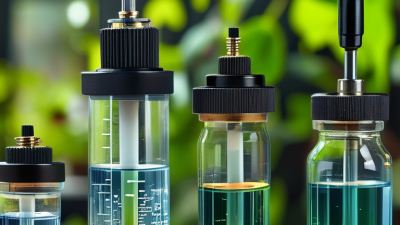
Micro dosing pumps move small, measured fluid volumes, but their mechanisms behave differently. A syringe pump advances a plunger to deliver fluid directly. It offers precise, pulseless delivery. Yet refilling interrupts flow, and viscous liquids can increase drive force. Peristaltic pumps squeeze flexible tubing with rollers, moving fluid without contact with internal pump parts. That helps when cleanliness matters. However, tubing wears and may alter output over time.

Diaphragm pumps use a flexing membrane and check valves to draw in and discharge liquid. They handle many fluids when wetted materials are compatible, though valves can clog or leak at very low flow rates. Small gear pumps meter fluid through rotating teeth and close clearances. They suit steady, low-viscosity liquids, but particles and abrasive mixtures can wear the surfaces. Details matter. Temperature, back pressure, and trapped air can shift actual delivery across all designs.

Match the pump to the fluid, target flow, dosing interval, and required accuracy—not just the smallest advertised volume. Test it with the actual liquid, tubing, and pressure conditions. Measure output by weight over repeated cycles; a graduated cup may hide small errors. Also check cleaning, priming, pulsation, and replacement-part needs. No pump is perfect. Even careful testing may miss changes after months of use.

How to Choose the Right Micro Dosing Pump?

Compare the typical pulsation tendency of common pump types. Lower pulsation can help deliver a steadier dose.

How to read this chart: The 1–5 scale is a qualitative comparison, where 1 indicates lower and 5 higher typical pulsation. Syringe pumps use a driven plunger; peristaltic pumps move fluid with rollers or fingers compressing tubing; diaphragm pumps displace fluid with a flexible membrane; and gear pumps transport fluid between meshing gears. Actual performance varies with pump design, settings, fluid properties, and system setup.

Assess Fluid Compatibility, Accuracy, and Repeatability

How to Choose the Right Micro Dosing Pump?

Assess Fluid Compatibility, Accuracy, and Repeatability

Fluid compatibility comes first. A pump that meters water accurately may behave differently with a viscous, abrasive, or solvent-based liquid. Check wetted materials against the fluid’s temperature, concentration, and cleaning routine. Then test the actual formulation, not just water. Watch for swelling seals, trapped bubbles, and residue around the inlet. Small details matter.

Accuracy describes closeness to a target; repeatability describes consistency across repeated doses. ISO 5725-2:2019 sets out how repeatability is assessed under controlled conditions. NIST’s measurement guidance also recommends accounting for uncertainty, rather than treating a displayed value as exact. Weigh at least ten consecutive doses on a suitable balance, and calculate the mean and coefficient of variation (standard deviation divided by mean). Compare both with the dose tolerance your process requires. A low average error can hide erratic individual doses. It happens.

Run the test at the intended flow rate, back pressure, and operating temperature. Record dose variation after startup and after pauses; tubing compliance or small air pockets may change delivery. Repeat the checks with the real fluid and across several runs. This takes time. Yet a tidy bench test can still miss production conditions, so leave room to question the result before selecting a pump.

Check Controls, Calibration, and Maintenance Requirements

How to Choose the Right Micro Dosing Pump?

Controls should make small adjustments predictable, not merely possible. Check the usable flow range and whether the display shows the units your process requires. A locked setpoint can prevent accidental changes during a shift. For automated setups, confirm that input and alarm options match your controller. A quiet pump can still drift. Watch its output during startup and after a setting change.

Calibration needs to reflect the liquid and operating conditions. Water may not behave like a thicker process fluid, and temperature can alter flow. Collect output over a measured interval, then compare its mass or volume with the setpoint. Use a suitable scale or graduated vessel, and repeat the test at low and typical rates. That sounds fussy. It is. Record the results, date, fluid, and adjustments, so another operator can spot a trend instead of guessing.

Maintenance is easier to plan when wear parts are accessible and inspection steps are clear. Check tubing, seals, and connections for flattening, cracks, leaks, or residue. Follow the pump’s service instructions for cleaning and replacement intervals; do not assume that a part is sound just because it looks clean. Keep a simple log of service, calibration, and unusual noise. One imperfect detail: maintenance schedules can feel excessive in a quiet installation, but missed wear may cause gradual dosing errors that are hard to notice.

Select a Pump for Site Conditions and Long-Term Costs

How to Choose the Right Micro Dosing Pump?

Select a Pump for Site Conditions and Long-Term Costs

A micro dosing pump should match the actual installation, not just the target flow rate. Check fluid viscosity, operating temperature, required accuracy, and discharge pressure. A pump tested with water may behave differently with a thicker liquid. Confirm that wetted materials suit the fluid, and consider whether the unit can handle air bubbles or frequent starts. Measure the available space, too; cramped access can make routine checks harder.

Purchase price is only one part of the cost. Include replacement tubing or seals, calibration time, spare parts, energy use, and the cost of interrupted dosing. Ask how often maintenance is recommended and whether staff can perform it safely on site. A lower-cost pump may need more frequent service, while a more capable model may be unnecessary for a simple, steady application. No worksheet catches every site quirk; leave room to review performance after installation.