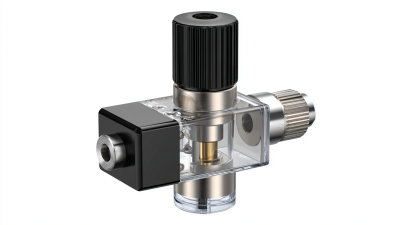
2026 How to Choose the Right Mini Dosing Pump for Your Needs?
Choosing the right Mini Dosing Pump can significantly impact your operations. With numerous options available, it's essential to understand your specific needs. The right pump ensures accuracy and efficiency in various applications.
When selecting a Mini Dosing Pump, consider factors such as flow rate, pressure capacity, and compatibility with chemicals. For example, a pump meant for viscous liquids may not perform well with thin solutions. Additionally, assessing the durability and maintenance requirements is crucial. Some pumps may require frequent repairs, leading to increased costs over time.
It's easy to get overwhelmed by choices. This article aims to clarify the decision-making process. While many features seem appealing, not all are necessary for every application. It's essential to reflect on your requirements objectively. Making an informed decision can lead to better performance and savings in the long run.
Understanding Mini Dosing Pumps: An Overview of Function and Types
Mini dosing pumps play a vital role in various industries, offering precise control over liquid dispensing. Understanding their functionality and the types available is crucial for selecting the right pump for your needs. Mini dosing pumps generally fall into two categories: diaphragm pumps and peristaltic pumps. Diaphragm pumps provide accurate flow rates and are ideal for handling harsh chemicals. In contrast, peristaltic pumps are excellent for applications requiring sterile conditions.
The global mini dosing pump market is projected to grow significantly, with an estimated increase of 7% annually over the next five years. This growth reflects the demand across sectors such as chemical processing, pharmaceuticals, and food production. For instance, in the pharmaceutical industry, precision in dosing is critical. A small error can lead to significant differences in outcomes.
Understanding the specifics of each type is essential. Look for technical specifications, including flow rate, pressure rating, and chemical compatibility. Some pumps may have limitations in viscosity handling. It is vital to reflect on the intended application and the environment where the pump will be used. Selecting the wrong type can result in inefficiencies and unreliable performance.
Key Factors to Consider When Selecting a Mini Dosing Pump
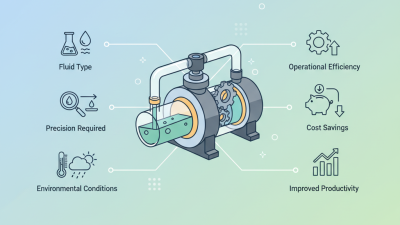
When selecting a mini dosing pump, several key factors are critical to your decision. The flow rate is one of the most important aspects. You should determine how much liquid you need to dispense over a specific time. This will help you avoid underperformance or wasting resources. Choosing the wrong flow rate can lead to inefficiencies.
Another vital consideration is the pump's compatibility with the liquid it will handle. Different liquids can have varying properties, such as viscosity and corrosiveness. Ensure the pump materials are appropriate for your fluids. This detail can save you from premature wear or failures. The environment where the pump operates also matters. If it’s in a harsh setting, you need a pump that can withstand those conditions.
Don’t overlook the control options available. Some pumps come with manual controls, while others offer advanced digital settings. Understanding your needs will help tailor your selection. However, realize that advanced features may complicate usage. Balancing simplicity and functionality is essential. Careful research and consideration of these factors will lead you closer to the right choice.
2026 How to Choose the Right Mini Dosing Pump for Your Needs? - Key Factors to Consider When Selecting a Mini Dosing Pump
| Factor |
Description |
Importance Level |
| Flow Rate |
The amount of fluid dispensed by the pump over a specific period. |
High |
| Fluid Compatibility |
Ensure the pump materials are compatible with the fluids being used. |
High |
| Pressure Rating |
Maximum pressure the pump can handle without failure. |
Medium |
| Power Source |
Electric, Pneumatic, or Manual operation based on application needs. |
Medium |
| Ease of Adjustment |
How easily the flow rate or dosage can be adjusted. |
High |
| Size and Weight |
Physical dimensions and weight, important for installation space. |
Medium |
| Maintenance Requirements |
Frequency and ease of required maintenance and servicing. |
High |
| Cost |
Initial purchase price vs. long-term operating costs. |
High |
Assessing Flow Rate and Pressure Requirements for Your Application
When choosing a mini dosing pump, flow rate and pressure are critical factors. Different applications have varying needs. For example, a laboratory setup might require precise dosing at low pressure, while agricultural applications may need higher pressure for better distribution.
Tips: Evaluate the maximum and minimum flow rates for your specific application. Test different settings to find optimal performance.
Pressure requirements are equally important. Pumps must withstand system conditions. If a pump can’t handle the necessary pressure, it may fail. Consider peak demands in your flow system.
Tips: Always account for pressure fluctuations. Monitor your system for signs of overpressure or underperformance. Adjust as needed to maintain efficiency.
Take time to assess requirements carefully. Analyze your system’s limitations and capabilities. A pump that works well in one application may not suit another. Be open to experimentation and adjustments based on real-world performance.
Evaluating Material Compatibility for Chemical Dosing Needs
When selecting a mini dosing pump, material compatibility is crucial. Different chemicals react differently with various materials. Knowing the compatibility can prevent costly mistakes. Some pumps are made of plastic, while others use metals. Each serves different types of chemicals. For example, a plastic pump may fail when handling strong acids.
Tips: Always check manufacturer's compatibility charts. These charts list which materials are suitable for specific chemicals.
Consider the temperature and pressure conditions as well. Some materials degrade over time, especially under extreme conditions. Regular maintenance and inspection can also help identify any wear or leaks early. It's vital to ensure that the pump operates within its specified limits.
Tips: Look for feedback from experienced users about the lifespan of materials under similar conditions.
Avoid guessing. Conduct small-scale tests before full implementation. This approach helps verify compatibility and performance. Always document results for reference. Effective dosing relies on careful planning and the right materials. Making informed choices can significantly impact your operation's efficiency and safety.
Maintenance and Support: Choosing a Manufacturer for Longevity
Choosing the right manufacturer for a mini dosing pump is crucial for long-term reliability. A strong partnership ensures ongoing support and maintenance. When selecting a manufacturer, consider their past experience and industry reputation. Manufacturers with years of expertise typically offer better support.
Evaluate the availability of customer service. Quick response times can reduce downtime during unexpected failures. It’s also wise to look for educational resources and troubleshooting guides. A knowledgeable team can assist when issues arise.
Consider how long they have been in the market. Longevity can indicate dependability.
Reflect on your specific needs. Not all manufacturers focus on the same applications. Some may excel in industrial settings, while others target agricultural use. Pay attention to reviews and testimonials. They can provide useful insights. It’s essential to ensure the manufacturer aligns with your operational demands. Sometimes, it’s necessary to be flexible and adapt your expectations.