How to Choose the Right Ph Dosing Pump for Your Needs?
Choosing the right pH dosing pump is crucial for various applications, from water treatment to chemical processing. A report from the Global Water Intelligence estimates that the global market for pH dosing pumps is projected to reach $1.2 billion by 2026. This figure reflects the growing need for precise chemical dosing in numerous industries. Proper pH control can significantly enhance product quality and operational efficiency.
The ideal pH dosing pump should match your specific requirements. Factors include flow rate, pressure, and chemical compatibility. According to research by the Water Environment Federation, improper dosing can lead to fluctuating pH levels, causing equipment damage and increased operational costs. Hence, selecting the right pump is an investment in reliability and safety.
Keep in mind that not all solutions will fit every scenario. Some environments may require advanced models with features like automatic calibration. Reflect on your process needs and identify where improvements can be made. Making the right choice impacts not just the immediate results but the long-term sustainability of your operations.
Understanding the Basics of pH Dosing Pumps and Their Importance
pH dosing pumps play a vital role in many industries. They regulate acidity levels in various applications. This is crucial for keeping processes safe and efficient. Proper pH balance can affect product quality, equipment longevity, and compliance with regulations. Understanding how these pumps work is essential for anyone involved in industries like water treatment or food processing.
Selecting the right pH dosing pump involves knowing your specific needs. Consider the flow rate, pressure, and type of chemicals involved. Many people overlook these factors. This oversight can lead to ineffective dosing or equipment failure. Regular maintenance is also key. An improperly maintained pump can skew results and cause safety hazards.
Some users may find it challenging to choose a suitable model. The market offers a range of options with varying features. It’s important to assess your environmental conditions and chemical compatibility. Reflecting on past experiences with equipment can help guide your decision. Understanding your requirements can prevent costly mistakes down the line. This process requires patience and careful consideration.
Key Factors to Consider When Selecting a pH Dosing Pump
Choosing the right pH dosing pump can be challenging. Several key factors come into play. Understanding your specific requirements is crucial. Begin by identifying the volume of liquid you need to treat. The pump's capacity must match your system's needs.
Next, consider the pump's compatibility with the chemicals used. Different materials resist corrosion differently. Ensure the pump can handle the pH range of your fluids. This is an often-overlooked aspect. Ignoring it can lead to pump failure or inaccurate dosing.
Evaluate the installation process as well. Some pumps require extensive setup, while others are user-friendly. Maintenance frequency is another point to think about. A reliable pump should require minimal upkeep. This reduces downtime and extra costs in the long run. Remember, it’s worth consulting with experts to clarify your doubts. Their insights can guide you to a better decision.
Comparing Different Types of pH Dosing Pumps Available in the Market
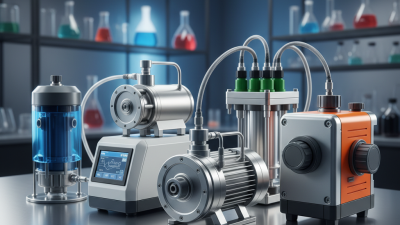
When selecting a pH dosing pump, understanding the types available on the market is crucial. Several categories exist, each designed for distinct applications. Typical options include diaphragm pumps, peristaltic pumps, and solenoid-driven pumps. According to a recent industry report, diaphragm pumps are favored for their accuracy and durability, especially in harsher environments. They can handle chemical exposure better than other types.
Peristaltic pumps, on the other hand, excel in applications requiring gentle handling of fluids. They work by compressing a flexible tube, preventing backflow. This type is particularly useful in water treatment processes. Data from a chemical engineering journal indicates that solenoid-driven pumps offer high-speed dosing and are often employed in laboratories. However, their consistent accuracy might fluctuate with varying fluid viscosities.
Tip: Consider your specific application needs. High viscosity liquids might require different pumps than standard solutions.
Regular maintenance is essential for optimal pump function. Neglecting it can lead to inefficient performance and unexpected downtime. Monitor for wear and tear frequently, as early intervention can save costs.
Tip: Always keep a log of maintenance activities. This helps in identifying patterns and potential issues faster.
Evaluating Pump Specifications: Flow Rate, Pressure, and Chemical Compatibility
Choosing the right pH dosing pump depends on specific needs. Evaluating pump specifications is crucial. Focus on three key factors: flow rate, pressure, and chemical compatibility.
Flow rate is vital. This determines how much liquid the pump can handle in a given time. Calculate your required flow rate by considering the tank size and the frequency of dosing. If the flow rate is too low, the system won't function properly. A high flow rate, on the other hand, might overdo the chemical dosage.
Pressure also plays a significant role. It affects how well the pump can push chemicals through the system. Higher pressure may be necessary for certain applications, especially those involving longer distances or complex piping systems. Look into the system's pressure requirements.
Chemical compatibility is often overlooked. Ensure the materials used in the pump can withstand the chemicals you're using. Check for any potential reactions. This can prevent costly damage or failures. A mismatch here can lead to expensive maintenance issues. It's essential to consider these factors carefully before making a decision.
How to Choose the Right Ph Dosing Pump for Your Needs?
| Pump Model |
Flow Rate (L/h) |
Max Pressure (bar) |
Material Compatibility |
Power Supply (V) |
| Model A |
180 |
5 |
PVC, PP |
230 |
| Model B |
220 |
6 |
316 Stainless Steel |
110 |
| Model C |
150 |
4 |
PTFE |
220 |
| Model D |
100 |
3 |
Rubber, PVC |
110 |
| Model E |
250 |
7 |
Teflon |
230 |
Budget Considerations and Long-term Maintenance of pH Dosing Pumps
When choosing a pH dosing pump, budget considerations play a critical role. These pumps vary widely in price. Budget-friendly options may lack advanced features. However, they can still meet basic needs in smaller applications. Assessing your specific requirements helps in finding a balance between cost and functionality.
Long-term maintenance is often overlooked but essential. Regular servicing ensures the pump operates efficiently. Neglecting maintenance can lead to larger expenses down the line. Consider the cost of replacement parts and the ease of access to service. A pump that seems cheaper initially may incur higher costs over time.
Investing in quality may require a higher upfront cost. This choice can save money in maintenance and downtime. Evaluating the total cost of ownership over the pump's lifespan is wise. Think about the reliability and performance you need from your system.