What is Lamella Clarifier and How Does It Work?
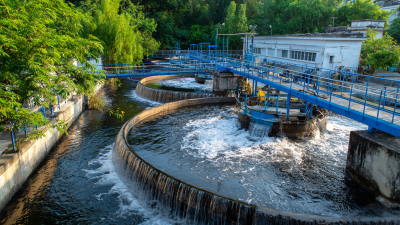
The Lamella Clarifier is an innovative solution for wastewater treatment. It excels in separating solids from liquids, making processes more efficient. This technology employs inclined plates, which create a larger settling area in a compact design. The result is a system that saves space and reduces energy costs.
Understanding how the Lamella Clarifier works is crucial for engineers and environmental specialists. It combines gravity and sediments to enhance filtration. Despite its effectiveness, some challenges exist. Maintenance can be complex, and initial setup costs may deter some users. It's vital to weigh these factors before implementation.
This technology showcases how engineering can solve real-world problems. As industries move toward sustainable practices, its role will only grow. Knowing the strengths and limitations of the Lamella Clarifier can lead to more informed decisions in wastewater management. Emphasizing its efficiency is necessary, but acknowledging areas for improvement is equally important.
What is a Lamella Clarifier?
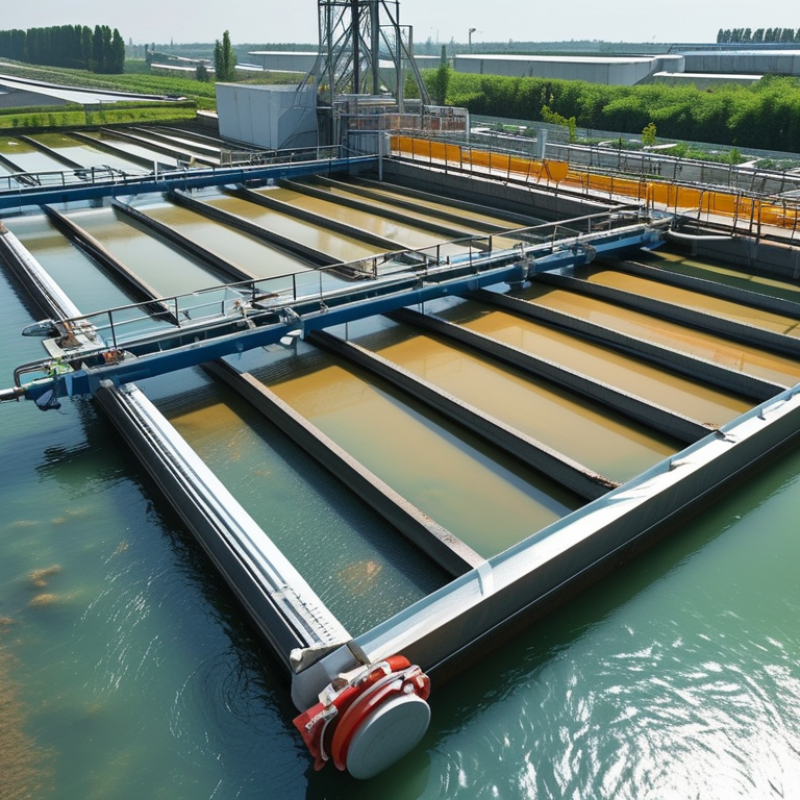
A lamella clarifier is a device used in water treatment processes. It enhances the sedimentation of suspended solids by utilizing inclined plates. These plates create additional surface area for particles to settle. The design allows for increased efficiency in clarifying water compared to traditional methods.
The working principle is straightforward. As water flows through the clarifier, solids settle on the inclined plates. This action increases the settling rate of particles, leading to cleaner water. A critical aspect is the careful design of the plate spacing. Too close, and water may not flow efficiently; too far apart, and sedimentation might become ineffective.
Consider regular maintenance. Inspect the inclined plates for buildup. Accumulated solids can impede flow and reduce efficiency. Monitoring the influent quality is also essential. Adjustments may be necessary based on the types of solids present in the water. Ensuring proper operation takes time and diligence. It’s a process of learning what works best for your specific applications.
The Working Principle of Lamella Clarifiers
Lamella clarifiers play a significant role in water treatment processes. They efficiently remove suspended solids from the water by utilizing gravity. The design features inclined plates that create a large surface area in a compact footprint. As water flows through these plates, solids settle at an accelerated rate. This process enhances the overall efficiency of the system.
The working principle hinges on sedimentation. When water enters the clarifier, it encounters the slanted lamellas. The solids in the water drop down while the clearer water rises. The settled solids accumulate in a hopper. This continuous process allows for the effective separation of contaminants from the treated water.
Keep in mind that regular maintenance is crucial. Over time, lamella clarifiers can accumulate sludge. Ignoring maintenance may lead to decreased efficiency. Monitoring the performance can help identify issues early. Be aware that the design might need adjustments for specific applications. Each installation may present unique challenges. Thus, engaging with professionals can lead to better results.
What is Lamella Clarifier and How Does It Work?
| Parameter |
Description |
Value |
| Type of Clarifier |
Lamella Clarifier |
N/A |
| Application |
Water treatment |
Industrial & Municipal |
| Design Capacity |
Maximum flow rate |
Up to 500 m³/h |
| Footprint |
Land area required |
Compact design - half the area of traditional clarifiers |
| Separation Efficiency |
Percentage of particles removed |
Up to 90% |
| Sludge Removal |
Frequency of removal |
Daily to weekly depending on the load |
| Maintenance |
Regular checks and cleaning |
Minimal required |
| Cost |
Initial investment |
Moderate compared to traditional systems |
Design Features of Lamella Clarifiers
Lamella clarifiers are vital in various water treatment processes. Their design enhances efficiency and maximizes space. The structure features inclined plates stacked closely, creating a compact system. This configuration allows for the effective settling of suspended particles. As water flows through, solids gravitate downwards and settle under gravity.
The spacing of the plates is key to the system's performance. They are designed to allow sedimentation while maintaining flow rates. However, the design does require careful consideration. If the angle of inclination is too steep, sediment may wash back into the flow. Maintaining the right balance is essential for optimal performance.
Materials used in lamella clarifiers also matter. Many are constructed from corrosion-resistant materials to ensure longevity. However, even the best materials face challenges over time. Regular maintenance is crucial to prevent clogs and ensure the system works efficiently. Assessing the performance regularly can help identify potential issues early on.
Applications and Benefits of Lamella Clarifiers
Lamella clarifiers are increasingly used in various industries for efficient solid-liquid separation. These systems utilize inclined plates that enhance sedimentation rates. By increasing the effective settling area, lamella clarifiers achieve better performance in a smaller footprint. This is particularly beneficial in plants dealing with high volumes of wastewater, such as municipal treatment facilities and industrial sites.
The benefits of lamella clarifiers extend beyond space efficiency. According to a report by the Water Environment Federation, lamella clarifiers can reduce the footprint by up to 90% compared to conventional clarifiers. They can enhance the removal of suspended solids by approximately 50-70%. This capability leads to improved water quality and lower operational costs. Many operators find that maintenance issues arise in older systems, which can detract from overall efficiency.
In addition to better space management and solid removal rates, lamella clarifiers provide consistent performance during fluctuating flow rates. This adaptability is essential for facilities facing variable wastewater volumes. However, occasional issues with platform scaling and sediment buildup require careful monitoring. Addressing these challenges can lead to optimized performance and longevity of the clarifiers. The implementation of innovative designs and materials can further enhance operational reliability and effectiveness.
Maintenance and Operational Considerations for Lamella Clarifiers
Maintenance of lamella clarifiers is crucial for optimal performance. Regular inspection of sedimentation patterns is necessary. Operators should check for signs of uneven settling. Blockages in the sludge draw-off system can lead to inefficient operation. Periodic cleaning of the lamella plates helps to maintain flow efficiency.
Operational considerations also play a significant role. The influent quality directly affects clarifier performance. Operators should monitor turbidity levels continuously. Microbial growth can disrupt processes; hence regular disinfection is advisable. Waste sludge management requires attention, as excess can impact the system.
Training personnel is vital for effective operation. They should understand how to adjust flow rates and monitor sludge depth. Mistakes in operation can lead to inefficiencies and increased operational costs. An effective feedback loop between operators can enhance performance. Regular workshops can keep the team informed about best practices.