How to Choose the Best Lamella Clarifier for Your Project?
Choosing the right Lamella Clarifier can significantly impact your project's success. According to industry reports, efficient clarifiers can boost water treatment processes by over 30%. This efficiency stems from their design, which allows for optimal settling of suspended solids. In regions facing stricter regulatory standards, effective solids removal becomes crucial for compliance.
Factors like flow rate, space constraints, and specific contaminants play a vital role in selection. Understanding these parameters can lead to more sustainable water management solutions. For instance, the U.S. Environmental Protection Agency highlights that improper clarifier choices can waste up to 20% of resources. Users must critically evaluate their needs and consider expert opinions.
Nonetheless, choosing a Lamella Clarifier isn’t foolproof. Many projects encounter challenges, such as fluctuating inflow rates or unexpected waste compositions. It’s essential to remain adaptable and open to adjustments. One should also value product reliability; opting for well-reviewed manufacturers may offset initial uncertainties. Being cautious can lead to significant long-term benefits, ensuring your project’s water treatment system performs effectively and efficiently.
Understanding the Functionality of Lamella Clarifiers in Wastewater Treatment
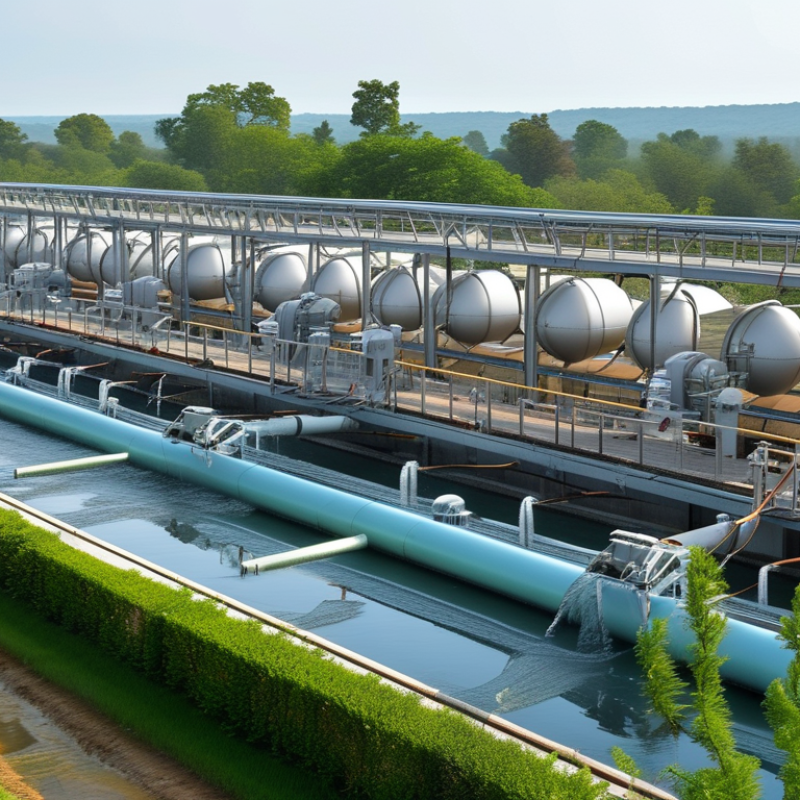
Lamella clarifiers play a crucial role in wastewater treatment. They utilize inclined plates to enhance sedimentation, increasing the efficiency of solid-liquid separation. According to the Water Environment Federation, these systems can improve sedimentation rates by up to 50%. This efficiency is vital in reducing the footprint of treatment facilities.
Efficiency, while impressive, does come with challenges. The design of lamella clarifiers requires careful consideration of flow rates and particle sizes. Not all systems perform equally across varying conditions. Operators must monitor performance metrics, such as the clarifier’s sludge density, to ensure optimal operation. Inconsistent feedwater quality can affect these performance metrics, leading to potential issues during peak loads.
Understanding the operational parameters is essential. A well-designed lamella clarifier can reduce energy consumption significantly, making it an eco-friendly option. However, miscalculating the sizing or failing to account for variations can lead to underperformance. Continuous evaluation and adjustment are necessary to maintain reliability in service. The balance between innovation and traditional practices needs constant reflection for sustained success.
Key Factors Influencing Lamella Clarifier Selection for Projects
When selecting a lamella clarifier for your project, consider several key factors. The application type is crucial. Different projects have varying requirements. For instance, municipal wastewater treatment demands different specifications compared to industrial processes. Analyze the expected inflow rates and the types of particles you will treat.
Another important aspect is the available space. Lamella clarifiers are designed to save space, but they come in various sizes. Ensure that the chosen model fits your facility. Space limitations can impact both installation and functionality.
Tips: Evaluate the specific characteristics of your influent. Knowing your water quality will guide you in choosing the right clarifier design.
Maintenance needs cannot be overlooked. Some models require more frequent upkeep than others. Always consider how often you can perform maintenance. A system requiring excessive care may not fit your operational capabilities.
Tips: Engage with your team to assess your maintenance resources. Inadequate maintenance can lead to inefficiencies and increased costs.
The lamella clarifier's material is also significant. Corrosion resistance is essential for longevity. Choose materials that suit your operating environment. For example, if chemicals are involved, select appropriate materials. This helps prevent premature failure.
How to Choose the Best Lamella Clarifier for Your Project? - Key Factors Influencing Lamella Clarifier Selection for Projects
| Factor |
Description |
Importance |
Typical Range |
| Influent Characteristics |
Physical and chemical properties of the water to be treated. |
High |
pH: 6-9, TSS: 50-1000 mg/L |
| Flow Rate |
The volume of water that needs to be treated per unit time. |
High |
20-500 m³/h |
| Space Availability |
The physical space available for installation. |
Medium |
Varies based on design; often 20-40 m² required |
| Maintenance Requirements |
Frequency and complexity of maintenance needed for efficient operation. |
High |
Weekly to monthly inspections recommended |
| Cost |
Initial and operational costs associated with the clarifier. |
High |
USD 10,000 - 150,000 |
Comparative Analysis of Lamella Clarifier Designs and Their Applications
When selecting a lamella clarifier, understanding the design variations is crucial. Different configurations cater to specific applications, influencing efficiency and effectiveness. For instance, inclined plate clarifiers utilize gravity to enhance solid-liquid separation. Their design allows for a compact footprint while providing excellent performance in treating wastewater. The slope design encourages sedimentation, making them ideal for spaces with size constraints.
In contrast, circular lamella clarifiers often feature a more robust structure. They excel in larger-scale operations where high flow rates are necessary. The circular design facilitates uniform flow distribution, reducing turbulence and promoting optimal settling of solids. However, their installation may require more space and higher initial costs. Evaluating the project’s needs against these design features is essential to ensure reliability.
While both types serve similar purposes, the choice depends on site-specific requirements. Environmental conditions and space limitations can impact the decision significantly. Some may overlook the importance of maintenance and operational costs. Neglecting these factors could lead to unexpected challenges down the line. It's vital to engage with professionals who can provide insights tailored to your specific requirements. Engaging with experts can enhance your decision-making process and ensure a successful implementation.
Evaluating Performance Metrics: Efficiency and Cost-Effectiveness in Design
When selecting a lamella clarifier, evaluating performance metrics is crucial. Efficiency impacts how well particles are removed from water. A report by the Water Research Foundation highlights that effective clarifiers can reduce suspended solids by up to 90%. This efficiency greatly influences the quality of treated water.
Cost-effectiveness is another vital aspect. Many projects aim to minimize operational costs while maintaining high performance. According to industry data, optimal clarifier systems can lead to 20% savings in energy consumption over traditional sedimentation methods. However, it's important to assess long-term maintenance costs. Complex designs may promise higher efficiency but can also increase operational difficulties.
Understanding the balance between performance and cost is paramount. Users need to consider specific project needs. Every project will have unique challenges. Engineers must scrutinize data and assess trade-offs carefully. In design, clarity in objectives will guide decisions. Optimizing both efficiency and cost requires a thoughtful approach to clarifier selection.
Industry Standards and Regulations Impacting Lamella Clarifier Specifications
When selecting a lamella clarifier, industry standards play a crucial role. These standards dictate the design and performance criteria necessary for various applications. Understanding these regulations ensures that your project meets environmental guidelines and safety requirements.
Regulations vary by region and application. They may address aspects like effluent quality, sludge management, and energy consumption. Adhering to these standards will enhance operational efficiency. However, navigating these can be challenging, requiring thorough research and expert consultation.
It's common for project managers to overlook specific regulations, leading to costly adjustments later. Investing time to analyze the proper specifications saves money and time in the long run. Ensuring compliance is not just about avoiding penalties; it’s also about achieving sustainable operations and enhancing public trust. Always consider how the clarifier's design aligns with current regulatory frameworks.
Comparison of Different Lamella Clarifier Specifications
This bar chart illustrates the key specifications of various lamella clarifiers relevant to industry standards and regulations. The parameters measured include Flow Rate, Surface Area, Height, and Feed Concentration, which are critical in determining the appropriate clarifier for specific projects.