What is a Membrane Air Diffuser and How Does It Work?
In the world of wastewater treatment, the efficiency of aeration is crucial. One prominent technology is the Membrane Air Diffuser. This device plays a vital role in enhancing oxygen transfer, which is essential for microbial processes. According to Dr. Jane Smith, an expert in water engineering, “Membrane Air Diffusers are the backbone of modern wastewater treatment systems.” Her insight underscores the importance of these devices.
The Membrane Air Diffuser utilizes a porous membrane to release air bubbles into water. This method increases the surface area for oxygen transfer and improves overall efficiency. The design not only optimizes performance but also minimizes energy consumption. Users often find that the choice of diffusers can significantly impact operational costs. However, not all diffusers deliver the same results; some may struggle in certain conditions.
As industries seek to meet environmental standards, understanding the technology’s limitations is vital. Maintenance efforts can also influence longevity and performance. It's important to weigh the pros and cons carefully. Observing how these diffusers operate under varied conditions can provide insights for better implementation strategies. Addressing these variables is key to achieving optimal outcomes with Membrane Air Diffusers.
What is a Membrane Air Diffuser?
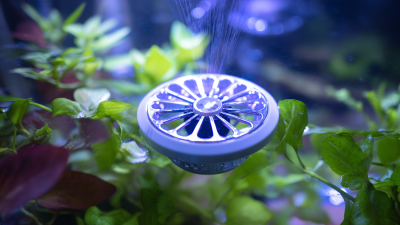
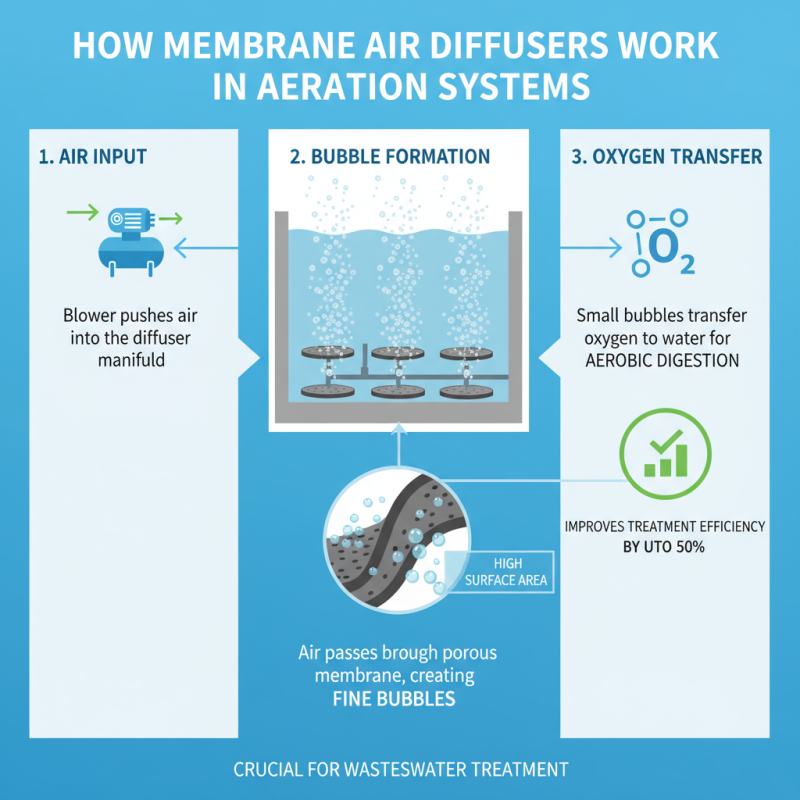
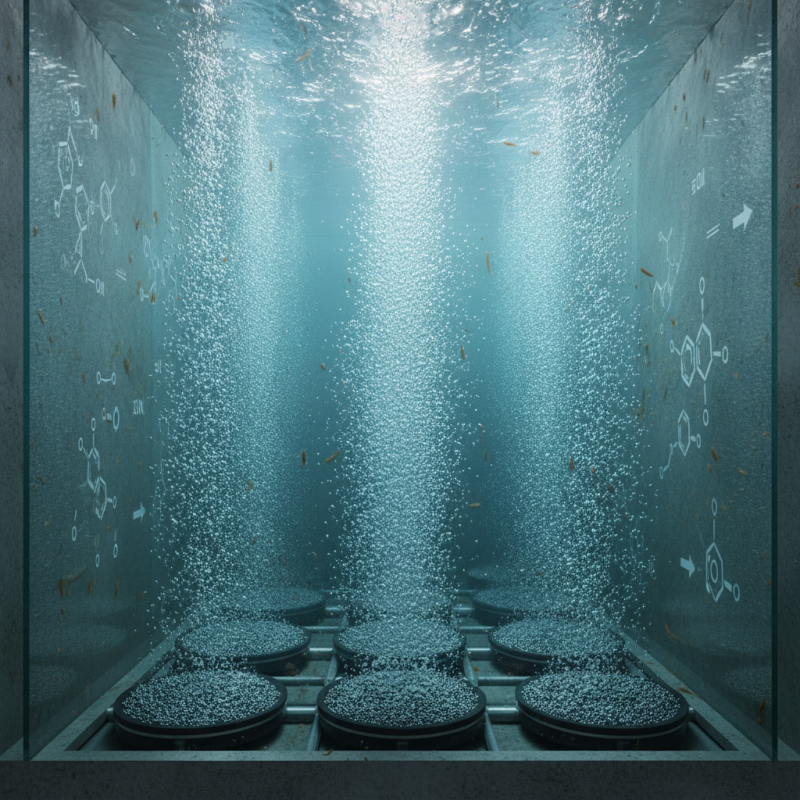
A membrane air diffuser is a critical component in various water treatment processes. It works by releasing fine bubbles of air into water, promoting oxygen transfer. This device is often used in aeration tanks to enhance wastewater treatment. According to the Environmental Protection Agency (EPA), effective aeration can improve the efficiency of biological processes by up to 50%.
The design of a membrane air diffuser typically includes a porous membrane, which allows air to escape through tiny openings. These openings create small bubbles that can rise through the water column. The size of the bubbles directly influences the efficiency of oxygen transfer. Research indicates that smaller bubbles (around 1-2 mm) provide a greater surface area for gas exchange. However, achieving optimal bubble size can be challenging and requires careful calibration. This balancing act can sometimes lead to inefficiencies if not properly managed.
Moreover, membrane air diffusers require regular maintenance to ensure optimal performance. Clogging and fouling can reduce their effectiveness dramatically. A report by the Water Environment Federation highlights that poorly maintained diffusers can lead to a 30% reduction in efficiency. Understanding these challenges is essential for maximizing the benefits of membrane air diffusers in any aeration system.
Key Components of Membrane Air Diffusers
Membrane air diffusers play a crucial role in various industrial applications, especially in wastewater treatment systems. These devices consist of a flexible membrane housed in a diffuser body. The primary component is the membrane, often made of high-quality materials for durability. It can vary in design and pore size, affecting the efficiency of air distribution.
In addition to the membrane, other components are vital. The air supply system connects to the diffuser, ensuring a steady stream of air. There are also fittings and seals that prevent leaks, maintaining the system's efficiency. The entire setup is often mounted on a base, allowing for easy maintenance and replacement when needed.
Tips: Regular maintenance checks are essential for optimal performance. Inspect membranes for wear and tear periodically. Pay attention to any loss in air distribution. It’s crucial to address any issues immediately to avoid costly repairs. Monitoring the air pressure can also help ensure the longevity of your diffusers. Technicians should be trained to identify unusual sounds or vibrations, as these could signal a malfunction.
How Membrane Air Diffusers Function in Aeration Systems
Membrane air diffusers play a crucial role in aeration systems, particularly in wastewater treatment. They introduce air into the water through a porous membrane, creating small bubbles. These bubbles increase the surface area for oxygen transfer, which is essential for aerobic digestion. According to industry reports, proper aeration can improve the efficiency of wastewater treatment by up to 50%. This highlights the importance of choosing the right diffuser technology.
In operation, membrane diffusers often face challenges. For instance, fouling can occur, which reduces performance. Regular maintenance and monitoring are vital. Studies have shown that the lifespan of membrane diffusers may decrease to half under poor maintenance conditions. While membrane materials are durable, they can still degrade over time, leading to inefficiencies. Comparing various membranes allows operators to make informed decisions, yet industry data often lacks clarity on this aspect.
Understanding the various types of diffusers available can help in optimizing aeration systems. Many systems utilize fine bubble diffusers, which are known for better oxygen transfer efficiency. However, this can lead to higher energy consumption. Balancing efficiency and energy use remains an ongoing discussion in the field. Continuous evaluation of aeration system performance is essential to ensure sustainability and effectiveness.
Benefits of Using Membrane Air Diffusers
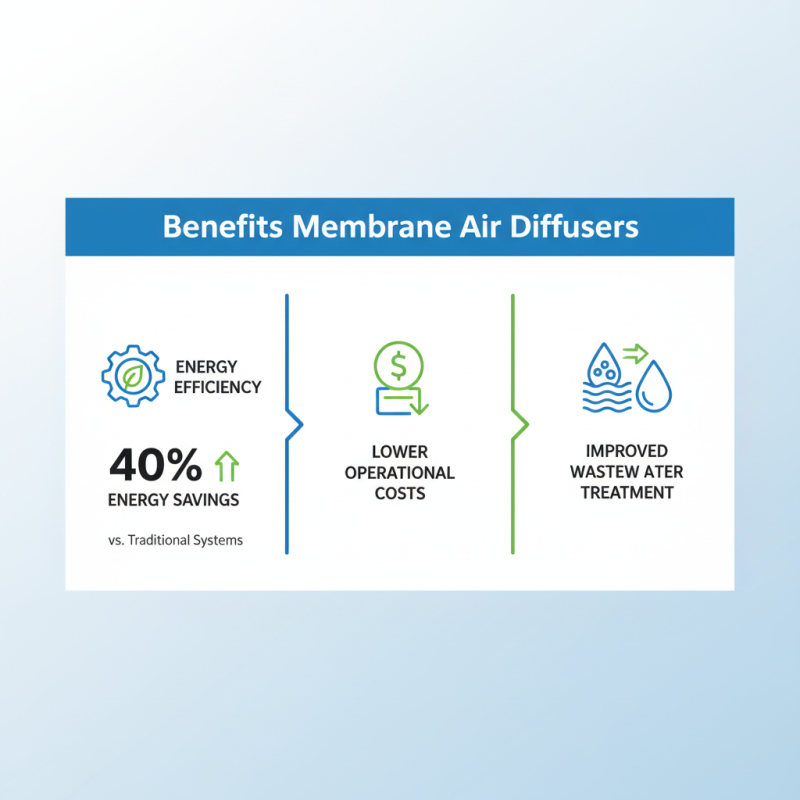
Membrane air diffusers are becoming increasingly popular in various industries. They play a critical role in aeration systems, especially in wastewater treatment. A significant benefit of using these diffusers is their energy efficiency. According to industry reports, membrane diffusers can achieve up to 40% energy savings compared to traditional systems. This efficiency lowers operational costs significantly, making it a viable option for many facilities.
Another advantage is the improved oxygen transfer efficiency. Membrane air diffusers can achieve oxygen transfer rates of 6 to 11 grams per cubic meter, depending on the design and application. This higher efficiency not only enhances the performance of biological processes but also facilitates quicker treatment times. In some cases, faster treatment can reduce the footprint of treatment plants, allowing for more compact designs.
Despite these benefits, there are challenges to consider. Membrane diffusers can be sensitive to water quality and require regular maintenance. Fouling can occur, reducing their effectiveness. Continuous monitoring and cleaning efforts can be necessary to maintain optimal performance. Users must weigh these considerations against the advantages when choosing the right aeration solution.
Common Applications of Membrane Air Diffusers
Membrane air diffusers are essential components in various industrial and environmental applications. These devices release air through a porous membrane, creating fine bubbles that enhance oxygen transfer to liquids. This functionality is crucial in wastewater treatment, aquaculture, and other fluid management systems. According to a report by the Water Environment Federation, efficient aeration can improve oxygen transfer rates by as much as 30% when using advanced membrane technology.
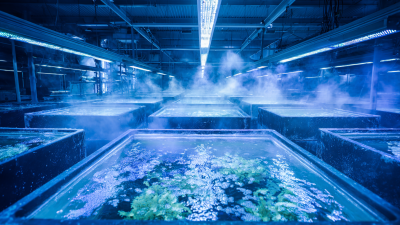
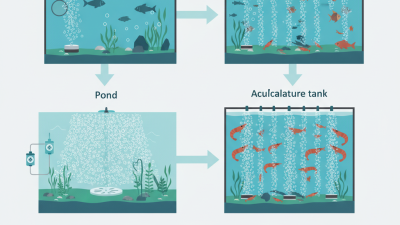
In aquaculture, membrane air diffusers support the health of aquatic life by maintaining optimal oxygen levels. As fish and other aquatic organisms require sufficient dissolved oxygen, inadequate aeration can lead to hypoxia and increased mortality rates. The U.S. Department of Agriculture reports that improved aeration can increase fish yields by up to 20%, significantly benefiting farmers.
Additionally, membrane diffusers are utilized in municipal wastewater treatment plants. Their design reduces energy consumption while maximizing treatment efficiency. However, not all installations are ideal. Some plants face challenges related to clogging and maintenance, which can hinder performance. Proper monitoring and regular upkeep are vital for ensuring long-term functionality. Overall, the integration of membrane air diffusers plays a critical role in enhancing aeration processes across various applications.
What is a Membrane Air Diffuser and How Does It Work? - Common Applications of Membrane Air Diffusers
| Application |
Description |
Benefits |
| Wastewater Treatment |
Used to aerate water and enhance microbial activity for pollutant degradation. |
Improved oxygen transfer efficiency and reduced operational costs. |
| Aquaculture |
Provides oxygen for fish and aquatic organism growth in tanks or ponds. |
Enhanced fish health and growth rates. |
| Industrial Processes |
Utilized in various industrial applications such as fermentation. |
Increased production efficiency and product quality. |
| Pool Aeration |
Helps to maintain water quality and clarity by improving circulation and oxygen levels. |
Healthier swimming conditions and reduced chemical use. |