2026 How to Optimize Poly Dosing in Water Treatment?
In the evolving landscape of water treatment, optimizing poly dosing is crucial. Industry expert Dr. Emily Carter emphasizes, “Effective poly dosing can transform water quality.” The approach involves careful measurement and application of polyacrylamides and other polymers to enhance coagulation and flocculation processes.
Poly dosing in water treatment requires balancing efficiency and precision. An excess can lead to operational problems, while insufficient dosing may compromise water quality. Each facility must evaluate its unique needs. This often involves trial and error, revealing areas for improvement in dosage calculations and techniques.
Reflecting on past methods can uncover inefficiencies. Many plants rely on outdated practices. By reviewing these strategies, professionals can find new methodologies. Continuous monitoring and adjustments will ensure effectiveness. The future of poly dosing in water treatment lies in adaptation and innovation.

Understanding Poly Dosing in Water Treatment Processes
Poly dosing is an essential process in water treatment, aimed at enhancing the efficiency of purification methods. This technique involves the precise addition of polyelectrolytes. These substances improve coagulation and flocculation in various treatment phases. A proper understanding of poly dosing can lead to significant operational improvements. It's critical to find the right dosage for specific water conditions. This can be a complex task due to factors like water quality, temperature, and type of contaminants.
Implementing poly dosing requires extensive knowledge and data analysis. Water treatment facilities often face inconsistent results when applying this process. Operators must continually monitor their systems to find the optimal dosing levels. The right dosage can significantly impact treatment efficiency and costs. However, too much or too little can result in operational issues. A flexible approach is necessary to adjust to varying input water qualities. Trial and error, along with experience, play crucial roles in mastering poly dosing techniques.
2026 How to Optimize Poly Dosing in Water Treatment
This chart displays the optimal dosage levels of polyacrylamide (PAM) for different types of water treatment processes. The values illustrate the efficiency of poly dosing based on various turbidity levels in NTU (Nephelometric Turbidity Units).
Best Practices for Implementing Poly Dosing Systems
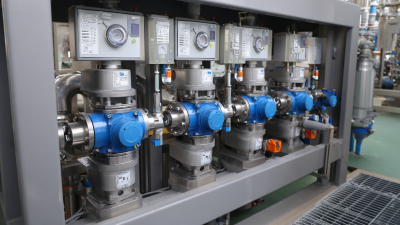
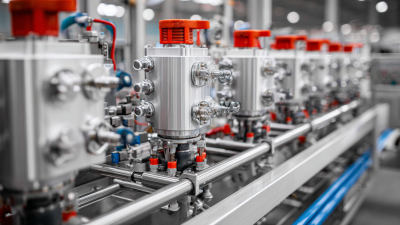
Implementing poly dosing systems in water treatment can be challenging. One key best practice is to ensure accurate dosing. This involves calibrating dosing pumps regularly. Precision is essential for effective treatment. Even small inaccuracies can lead to water quality issues. Monitoring systems should be set up to track poly levels continuously.
Operator training plays a critical role in the optimization process. Workers must understand the system's dynamics. They should know how to troubleshoot issues that may arise. Additionally, ongoing education is important. Techniques and technologies evolve rapidly in this field. Staying updated is a must for effectiveness.
Regular maintenance of dosing equipment is often overlooked. It can lead to downtime and increased costs. Operators should establish a routine check-up schedule. This helps in early detection of problems. Failing to do so might compromise the treatment process. Balancing cost-effectiveness with the need for quality is a constant challenge.
Monitoring and Adjusting Poly Dosing for Optimal Results
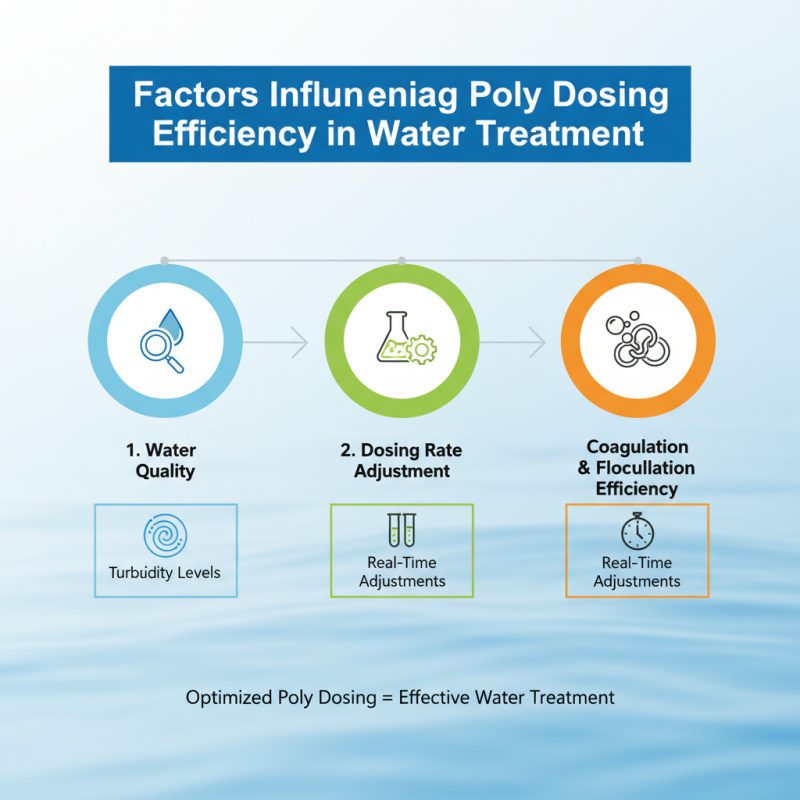
In water treatment, effective poly dosing enhances flocculation and sedimentation.
Accurate monitoring is crucial. Continuous adjustments based on real-time data ensure optimal results.
Studies indicate that improper dosing can lead to suboptimal particle removal, often falling below 80% efficiency.
This inefficiency can waste both time and resources.
Implementing advanced monitoring systems aids in tracking poly performance in real-time.
Sensors can measure turbidity and chemical composition. Adjustments can be made instantly, avoiding the pitfalls of static dosing.
Research suggests facilities employing dynamic dosing report a 20-30% improvement in overall process effectiveness.
Yet, challenges remain. Fluctuations in water quality can disrupt dosing accuracy.
Overdosing may create adverse effects, such as increased sludge production.
Adopting a trial-and-error approach seems inefficient but can provide necessary insights.
Reflection on these practices paves the way for better strategies in the future.
Case Studies: Successful Poly Dosing Applications in Water Treatment
In recent years, successful poly dosing applications in water treatment have showcased innovative strategies for optimizing chemical use. For instance, a study by the American Water Works Association found that precise polymer dosing can reduce residual sludge by up to 30%. This highlights the potential for improved efficiency in wastewater facilities. The analysis of real-world cases shows that facilities can lower operational costs while enhancing water quality.
One notable case involved a municipal treatment plant that adjusted its polymer dosing procedure based on influent water quality. By deploying advanced monitoring systems, operators tailored the dosage to match specific conditions. This adaptive approach led to a significant 25% increase in solids removal. However, it requires continuous evaluation and adjustment, posing challenges for staff training and system integration.
Additionally, a report from the Water Environment Federation indicated that improper dosing can lead to ineffective treatment or increased operational costs. Plants have learned the importance of calibration and sometimes struggle with inconsistent performance. A deep understanding of local water characteristics remains essential for maximizing poly dosing benefits. These case studies demonstrate both successes and the ongoing need for improvement in water treatment practices.