Poly Dosing in Water Treatment Insights from 139th Canton Fair?
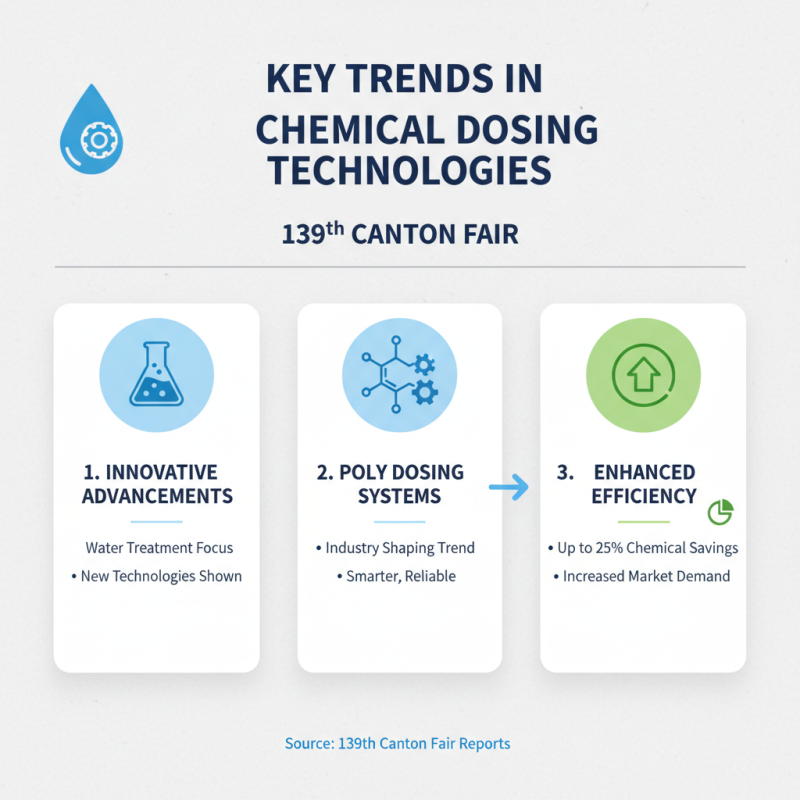
The 139th Canton Fair offers valuable insights into "Poly Dosing In Water Treatment." As industries seek sustainable practices, efficient water treatment is critical. Poly dosing is an innovative method that enhances purification processes. This technique integrates polymers into water treatment systems, improving chemical performance.
Amidst the advancements, there are challenges. Not all facilities can effectively implement poly dosing. Some regions lack proper infrastructure, hindering progress. Suppliers at the Fair showcase cutting-edge solutions, yet the gaps in technology remain. The introduction of AI enhancements aids in navigating these challenges.
The Fair emphasizes quality and compliance. Suppliers with ISO and CE certifications stand ready to meet global demands. Despite this, the market must address knowledge gaps. Many professionals are unaware of poly dosing's full potential. This calls for ongoing education and collaboration within the industry.
Insights on Poly Dosing Techniques in Water Treatment Industry
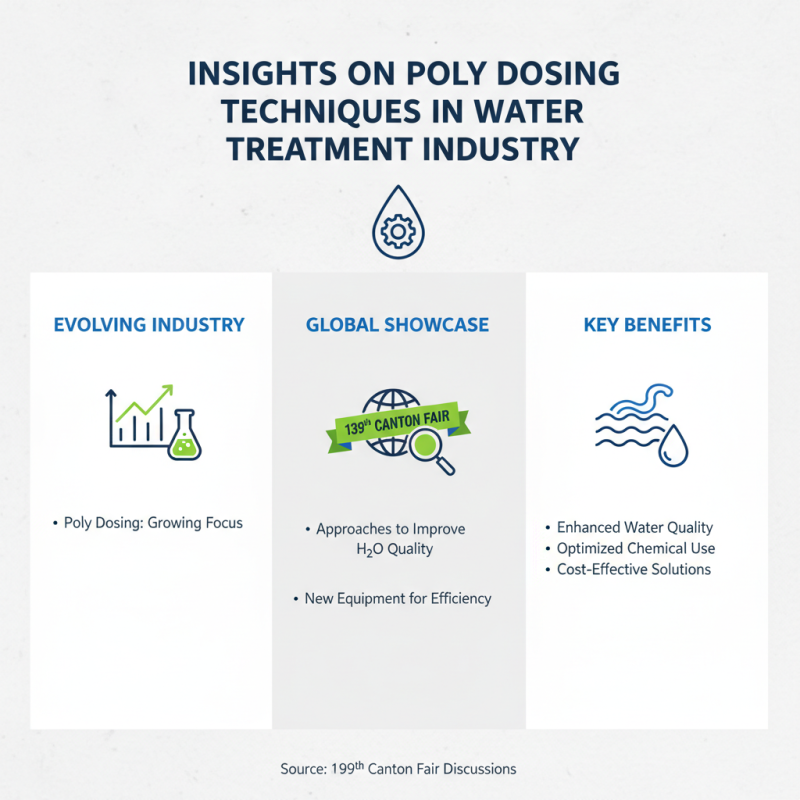
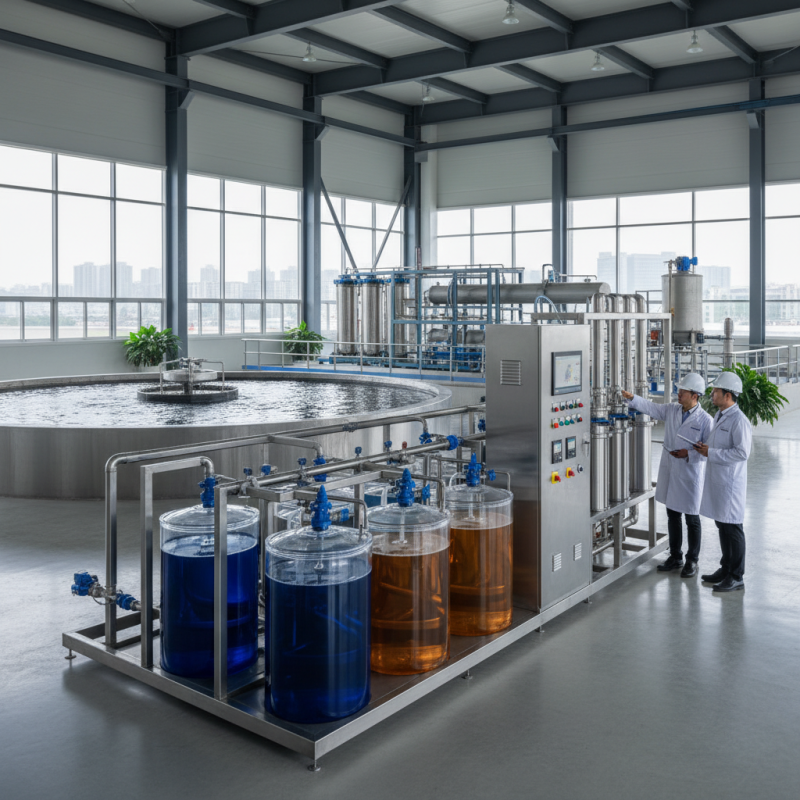
The water treatment industry is evolving, and poly dosing techniques are gaining attention. At the 139th Canton Fair, discussions showcased various approaches to improving water quality. Exhibitors demonstrated new equipment designed for efficient dosing.
Participants shared their challenges regarding dosage accuracy. Many acknowledged the difficulty of maintaining consistent levels in varying water conditions. Some solutions offered promise, yet attendees questioned their practicality. The need for better monitoring systems was a common theme. Accurate measurements are crucial in achieving desired outcomes.
Moreover, the integration of technology into poly dosing was a hot topic. Automation has potential but raises concerns. Some worry about over-reliance on machines. Is human oversight becoming obsolete? The balance between technology and manual control remains a vital discussion point. As the industry progresses, reflections on these issues will shape the future of poly dosing in water treatment.
Impact of Poly Dosing on Water Quality Improvement
Poly dosing has emerged as a crucial technique in enhancing water quality. It involves adding polymers to optimize the treatment process. These polymers help in flocculation and sedimentation. This leads to clearer water and reduced contaminants. As noted at the 139th Canton Fair, many experts discussed the relevance of poly dosing in modern water treatment.
Effective poly dosing can lead to significant improvements in water clarity. This process helps remove suspended solids and improves disinfection efficiency. However, operators must be cautious. Overdosing can lead to non-ideal conditions. This could affect water quality negatively. A balanced approach is essential.
Tips: Monitor the dosing levels carefully. Adjust according to the water source’s characteristics. Regularly test the treated water for quality. Maintain records of your findings to ensure consistency. By doing so, you can maximize the benefits of poly dosing while minimizing potential downsides.
Poly Dosing in Water Treatment Insights from 139th Canton Fair - Impact of Poly Dosing on Water Quality Improvement
| Parameter |
Before Poly Dosing |
After Poly Dosing |
Improvement (%) |
| pH Level |
6.8 |
7.5 |
10.29 |
| Turbidity (NTU) |
12 |
2 |
83.33 |
| Total Dissolved Solids (TDS) |
300 |
250 |
16.67 |
| Chemical Oxygen Demand (COD) |
50 |
20 |
60.00 |
| Hardness (mg/L) |
150 |
100 |
33.33 |
Comparative Analysis: Poly Dosing vs. Traditional Water Treatment Methods
Poly dosing has been gaining attention in the water treatment industry. Compared to traditional methods, poly dosing offers enhanced efficiency and reduced chemical usage. A recent report from the Water Quality Association indicates a 30% improvement in contaminants removal when using poly dosing techniques.
The versatility of poly dosing systems allows for precise control. This feature is crucial in adjusting chemical concentrations based on real-time water quality data. Traditional methods often lack this adaptability, relying on fixed dosing schedules that may not be optimal. For instance, studies show that over-dosing chemicals reduces treatment efficacy and increases costs.
Tips: Regular analysis of water quality can guide optimal poly dosing. Consider installing sensors to monitor real-time changes. These tools can help adjust dosages promptly and minimize waste.
Still, challenges remain. Implementing poly dosing requires training and infrastructure changes. Some facilities may hesitate to adopt this advanced technique. A systematic approach to training staff can ease this transition. The technology continues to evolve, offering long-term benefits that outweigh initial hurdles.
Regulatory Standards and Poly Dosing Practices in Global Markets
The 139th Canton Fair showcased a variety of innovations in water treatment, particularly focusing on poly dosing. This practice is increasingly recognized for its effectiveness in enhancing water quality. However, regulatory standards vary significantly across different regions. Some countries have stringent requirements, while others are less rigorous. This discrepancy presents challenges for global operations.
Global markets are moving toward more consistent regulations. Various organizations are working towards creating unified standards for poly dosing practices. Implementing standardized practices can enhance compliance and simplify operational processes. However, some manufacturers still struggle to meet these evolving requirements. They may lack the necessary technology or knowledge to adapt.
Moreover, the importance of training and education cannot be overlooked. Successful implementation of poly dosing requires skilled personnel who understand both the technology and regulatory landscape. Overcoming the gap in expertise remains a challenge. Continued dialogue among industry stakeholders is crucial for addressing these issues. Reflection on these aspects can lead to better practices and improved water treatment solutions.
Poly Dosing Practices in Global Water Treatment Markets