Why is Polymer Dosing Control Essential for Efficient Operations?
Efficient operations in various industries rely heavily on optimal processes. One critical aspect is Polymer Dosing Control. This technique ensures precise and consistent application of polymers in water treatment or manufacturing.
Accurate dosing is not merely a technicality. It affects overall efficiency, product quality, and cost management. Poor control can lead to overdosing or underdosing of polymers. This introduces waste and impacts performance. The balance must be carefully monitored.
Not all operations utilize Polymer Dosing Control effectively. Some may overlook its significance, leading to inconsistencies. Implementing modern dosage systems can mitigate these issues. Continuous monitoring and adjustments enhance system reliability. In this context, expertise in Polymer Dosing Control becomes vital. It can drive operational success and ensure sustainable practices.
Importance of Polymer Dosing in Industrial Processes
Polymer dosing plays a critical role in various industrial processes. Accurate dosing ensures optimal performance in applications like wastewater treatment and material processing. The right amount of polymer can improve flocculation, enhance filtration, and reduce sludge volume. This is crucial for industries aiming to maximize efficiency and minimize waste.
Inconsistent dosing can lead to poor results. An operator might underestimate or overestimate polymer needs, impacting overall productivity. Fluctuations in feed rates can occur due to equipment malfunction or operator error. When this happens, the polymer may not bond effectively, leading to increased processing times and operational costs. Recognizing the importance of precise dosing can prevent these issues.
Investing in advanced dosing control systems can make a difference. These systems enable real-time monitoring and adjustments based on the varying conditions of operations. Operators gain confidence from data-driven decisions. Although not infallible, these technologies significantly reduce human error. Regular training and evaluation of dosing strategies are essential to align with best practices. Industry professionals must remain vigilant and adaptive to ensure the utmost efficiency in operations.
Understanding Polymer Chemistry for Effective Dosing
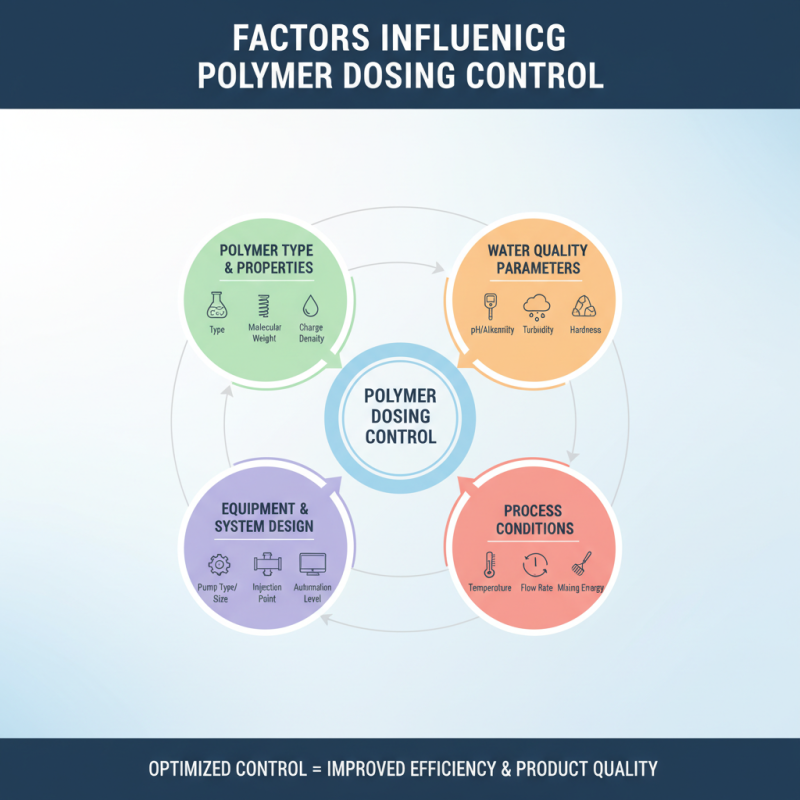
Polymer dosing control is vital for enhancing operational efficiency. A clear understanding of polymer chemistry is essential for achieving precise dosing. Polymers are large molecules that can enhance the performance of various processes. Their effectiveness depends on proper dosing, which often involves understanding the molecular weight and charge density of the polymers used.
Tip: Always analyze the specific requirements of your system before dosing. Each polymer behaves differently. Misunderstanding the chemistry can lead to suboptimal results. An efficient dosing strategy minimizes waste and maximizes performance.
Attention to detail is crucial. Overdosing can cause flocculation issues or reduce filter performance. Under-dosing may lead to ineffective separation. Regularly calibrating dosing equipment can help avoid these pitfalls. Effective communication within the team is also key to ensuring everyone understands the dosing parameters.
Tip: Training staff on polymer properties is important. Knowledge about chemical interactions and system dynamics will empower operators. Encourage questions and open discussions to improve understanding. This approach can significantly enhance dosing accuracy and overall operational outcomes.
Consequences of Poor Polymer Dosing Practices
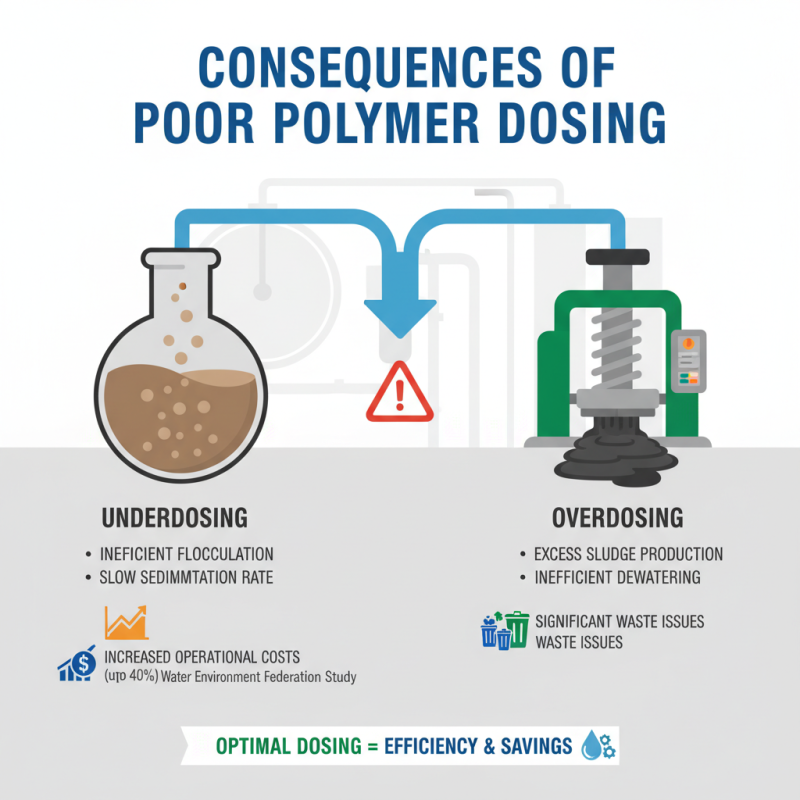
In the realm of wastewater treatment, poor polymer dosing can have severe consequences. According to a study by the Water Environment Federation, incorrect dosing can lead to increased operational costs by up to 40%. This inefficiency stems largely from the inability to effectively manage flocculation processes. When polymers are underdosed, the sedimentation rate decreases. Overdosing, meanwhile, can lead to excess sludge and inefficient dewatering, resulting in significant waste issues.
Operators often underestimate the importance of precise dosing control. One report highlighted that up to 30% of polymer usage could be wasted due to improper application. This wasted material not only inflates costs but can also degrade the quality of treated water. Furthermore, inconsistent dosing can result in varying chemical performance. This inconsistency creates risks for regulatory compliance and may hinder the overall effectiveness of treatment processes.
The implications extend beyond financial aspects. Environmental sustainability suffers when operational practices falter. A well-optimized dosing system can improve both efficiency and compliance. However, frequent errors highlight a need for training and better control systems in many facilities. Addressing these challenges is essential for not only financial health but also eco-friendly operations.
Technological Solutions for Enhanced Dosing Control
Effective polymer dosing control is crucial for numerous industries. It ensures that the right amount of polymer is used at the right time, leading to improved operational efficiency. Accurate dosing minimizes waste and optimizes resource usage. This is particularly important when dealing with large-scale operations where even small errors can lead to significant losses.
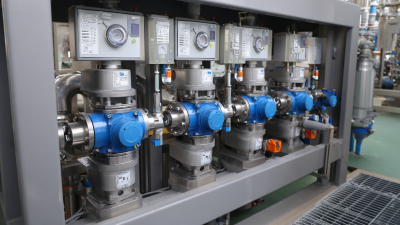
Technological solutions now enhance dosing control significantly. Advanced sensors provide real-time data, enabling precise adjustments to dosing rates. Automation plays a key role by minimizing human error. However, technology alone isn't always flawless. There may be instances where equipment malfunctions or sensor readings are inaccurate. Regular maintenance and calibration are essential to mitigate such risks.
Moreover, training operators is vital. Even with advanced systems, human judgment is still necessary. Operators must understand the technological tools they oversee. Continuous education can prevent oversights. Balancing technology and human oversight creates a robust dosing control process. Each industry can benefit from implementing these strategies, but there will always be challenges that require ongoing reflection and adjustment.