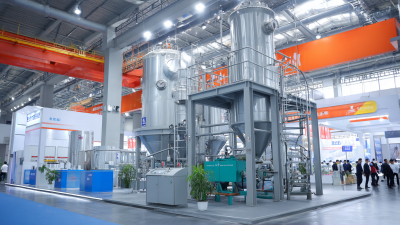
Efficient processes in various industries rely heavily on effective Polymer Dosing Control. This practice is crucial for optimizing performance and minimizing waste. Yet, many facilities struggle to achieve the ideal dosing levels. A lack of understanding or improper techniques can lead to significant inefficiencies.
Achieving consistent results requires a blend of science and experience. Each polymer behaves differently, which influences dosing strategies. Consequently, operators must adapt their approaches to specific applications. Unexpected variables can affect outcomes and lead to costly errors. Addressing these challenges demands a comprehensive understanding of the materials involved.
Our exploration of the top 10 Polymer Dosing Control tips aims to provide actionable insights. Each tip will emphasize practical solutions and reflect on common pitfalls. By focusing on these strategies, facilities can enhance their processes and elevate performance, moving towards greater reliability and success in their operations.
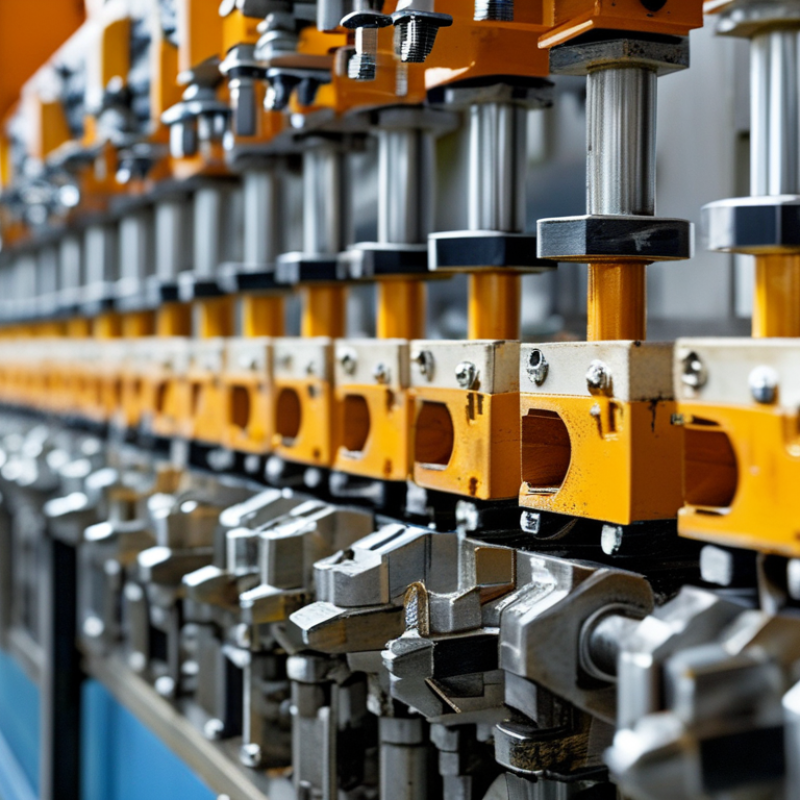
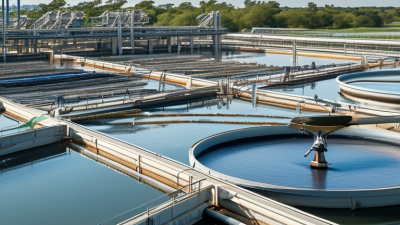
Effective polymer dosing is essential in many industrial processes, particularly in water treatment and materials manufacturing. Proper dosing enhances performance while minimizing waste. For instance, the right amount of polymer can significantly improve flocculation and sedimentation. However, achieving optimal dosing is not always straightforward. Operators often grapple with variables like flow rates and water quality. Each industrial setting comes with its unique challenges.
Understanding the importance of polymer dosing involves recognizing its role in process efficiency. Too little polymer may lead to ineffective treatment, while excess can introduce complications. Balancing these factors requires regular monitoring and adjustments. Accurate measuring tools and feedback loops can help fine-tune dosing. Yet, reliance on technology alone isn't enough. Operators need ongoing training and experience to make informed decisions.
In practice, some may find their systems underperforming despite apparent adherence to “best practices.” It’s crucial to regularly assess and reflect on dosing strategies. Engaging with industry peers can provide insights into common problems and innovative solutions. Continuous learning and adaptation are key to mastering polymer dosing in a constantly evolving industrial landscape.
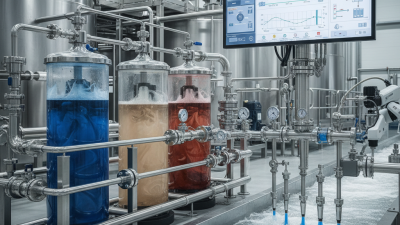
Polymer dosing efficiency hinges on several critical factors. First, understanding the polymer's characteristics is essential. Each polymer behaves differently in various conditions. For instance, the viscosity of a polymer can affect how easily it mixes with water. This variability can lead to inconsistencies in dosing if not properly accounted for. Adjusting the feed rate based on temperature can also enhance efficiency. Warmer environments might lower viscosity, changing how the polymer flows.
Another key element is the mixing process. The right mixer can make a significant difference in achieving a homogeneous solution. Consider the geometry of the mixer and its speed. A poorly designed mixer may create dead zones, leading to uneven dosing. Regular maintenance of the equipment is also vital. Any buildup can disturb the dosing flow, causing inaccuracies.
Monitoring and control systems play a crucial role in maintaining efficiency. They provide real-time data, allowing for adjustments as needed. However, the reliance on technology must be balanced with operator intuition. Over-reliance can lead to challenges in identifying issues. Regular training for operators can mitigate these risks, promoting a better understanding of both technology and process.
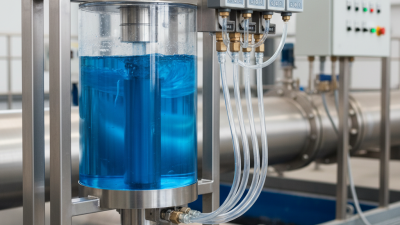
Accurate polymer dosing control is essential for efficient processes. It ensures the right amount of polymer is used, optimizing performance. The right equipment plays a critical role in achieving this goal. Reliable dosing pumps, flow meters, and advanced control systems are foundational. Choose pumps that allow fine adjustments. They help maintain precise dosing rates.
Maintaining calibration is vital for accuracy. Regular checks on dosing equipment ensure consistent performance. Some facilities may overlook maintenance schedules. This can lead to inaccuracies over time. Flow meters also need inspection. A faulty meter may skew results, ultimately affecting process efficiency.
Innovative mixing techniques can enhance the effectiveness of polymer dosing. A well-designed mixing chamber ensures even distribution of polymers in fluids. This prevents clumping. However, operators must be trained to recognize potential issues in mixing. They should learn to adjust parameters based on observed results. Developing a keen eye for these details can significantly improve dosing performance.
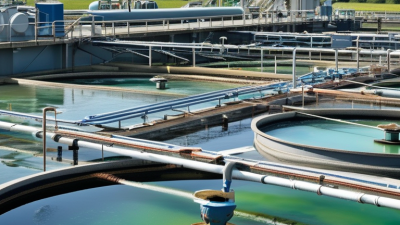
Polymer dosing is crucial for many industrial processes, including wastewater treatment and material processing. Monitoring and adjusting polymer dosing effectively can lead to significant improvements in operational efficiency. Data shows that optimal dosing can enhance flocculation by up to 30%, impacting the overall quality of the end product. This increase can reduce chemical costs and waste disposal fees, ultimately leading to a more sustainable operation.
Real-time monitoring of polymer concentration is essential. Studies indicate that installations with automated dosing systems experience a reduction in excess polymer usage by around 20%. These systems can adjust dosage based on real-time feedback, ensuring consistent performance and avoiding underdosing or overdosing. Operators should periodically review dosing protocols to prevent oversights and adapt to changing influent water qualities.
Regular calibration of dosing equipment is another best practice. Inaccurate settings can lead to ineffective polymer interaction with particles, undermining treatment goals. Operators must conduct routine checks and adjustments based on physical inspections and performance analytics. Implementing these actions not only enhances precision but also creates a culture of accountability in process management. Focusing on details like these can yield better performance in polymer applications.
| Tip | Description | Benefit |
|---|---|---|
| Regular Calibration | Ensure dosing equipment is calibrated regularly for accuracy. | Maintains dosage accuracy and process reliability. |
| Real-time Monitoring | Implement systems that provide real-time dosing information. | Allows for immediate adjustments and improved control. |
| Use of Feedback Loops | Integrate feedback loops to adjust dosing based on output quality. | Ensures consistent product quality and reduces waste. |
| Train Operators | Provide training for operators on dosing systems and controls. | Enhances operator competency and confidence in handling systems. |
| Routine Maintenance | Schedule regular maintenance checks on dosing equipment. | Reduces downtime and prolongs equipment life. |
| Optimize Polymer Type | Choose the right polymer based on application needs and conditions. | Maximizes efficiency and effectiveness of the dosing process. |
| Data Analysis | Regularly analyze dosing data for process optimization. | Identifies trends and areas for improvement. |
| Minimize Water Variation | Control water quality and composition in the dosing system. | Ensures uniform polymer performance and reliability. |
| Periodic Review of Controls | Review and update control strategies based on performance data. | Keeps processes aligned with current best practices. |
In evaluating polymer dosing systems, a focus on performance is essential. Monitoring the consistency of dosage is crucial. Regular assessments can reveal discrepancies that may lead to operational inefficiencies. Understanding the impact of flow rates and pressures ensures that the system operates within optimal conditions. Operators must analyze these variables frequently to maintain stability in their processes.
Continuous improvement requires feedback loops. Gathering data on system performance helps identify areas for enhancement. This could involve adjusting dosing rates based on real-time analytic results. Small changes can yield significant impacts on overall efficiency. However, not all adjustments result in immediate improvements, and some can complicate the process. Reflecting on these outcomes is necessary to foster a culture of innovation.
Collaboration between operators and engineers enhances performance. Sharing insights about system challenges leads to better solutions. Sometimes, revisiting outdated practices can reveal hidden potential. Organizations must remain open to change and willing to experiment. This mindset can transform dosing strategies into highly efficient processes. Embracing imperfection is key to continuous growth.