Top Tips for Choosing the Best Micro Pore Air Diffusers?
Choosing the right Micro Pore Air Diffusers can greatly enhance your indoor air quality. According to recent studies, around 90% of our time is spent indoors, making air quality crucial for health and well-being. Micro Pore Air Diffusers are designed to evenly distribute essential oils and scents throughout a space, promoting a calming atmosphere.
Experts have highlighted the importance of pore size in diffusers. Smaller pores allow for finer mist, which can help disperse fragrances more effectively. A report from the Indoor Air Quality Association states that poor air quality can lead to various health issues, including respiratory problems. This suggests that selecting the proper diffuser can contribute to a healthier living environment.
While numerous options exist, understanding features like capacity, design, and noise levels is vital. Not all diffusers perform similarly. Some may not meet user expectations, leading to disappointment. Considering customer feedback and expert assessments can guide you toward a reliable choice. Ultimately, selecting the best Micro Pore Air Diffusers requires careful consideration and a balanced approach to find one that fits your needs.
Understanding Micro Pore Air Diffusers: Key Features to Consider
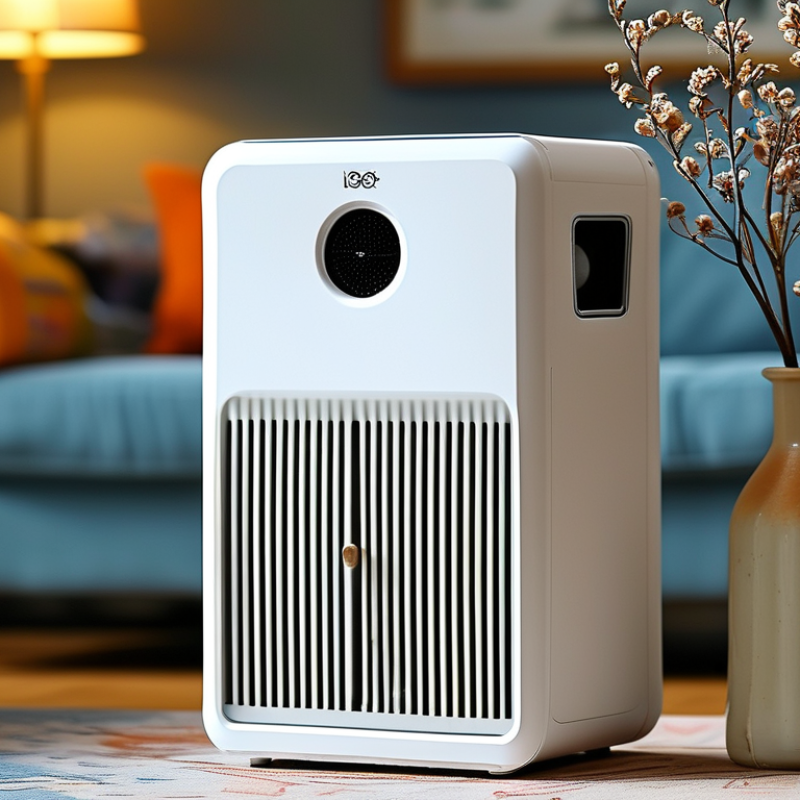
When choosing micro pore air diffusers, understanding their key features is essential. These diffusers work by releasing essential oils into the air, creating a calming atmosphere. Look for a model that offers adjustable mist settings. This allows you to control the intensity of the fragrance. A larger water tank often means longer operation time, reducing the need for frequent refills.
Another critical feature is the ease of cleaning. A diffuser that is difficult to maintain can lead to bacteria build-up. This can compromise air quality and negate the benefits of using essential oils. Consider the material of the diffuser as well. BPA-free plastic or glass options may be more reliable. They typically avoid harmful chemical leaching.
You might want to check for additional functionalities. A diffuser with a timer or automatic shut-off ensures safety during use, especially overnight. It’s worthwhile to reflect on personal needs. For instance, if mobility is important, a lightweight option may be more suitable. Often, the cheapest models lack durability, so balance budget with quality for the best results.
Evaluating the Effectiveness of Micro Pore Diffusion Technology
Micro pore air diffusers utilize diffusion technology to enhance air distribution in various environments. Their effectiveness largely depends on pore size and material. According to the International Journal of Environmental Research, optimal pore sizes range from 5 to 20 micrometers for maximum efficiency. This range allows for effective gas exchange, which is vital in hydroponic and aquaculture systems. However, selecting the right material can be challenging. Not all materials provide uniform porosity, affecting performance.
Field studies indicate that diffusers made of high-density polyethylene (HDPE) may provide better durability and performance compared to standard PVC materials. However, a 2022 report highlighted that while HDPE performs well, it may require frequent replacements due to wear and tear. This raises important questions about long-term costs and environmental impact. Potential users should carefully consider the lifespan and maintenance needs of their chosen technology.
In evaluating micro pore diffusion technology, real-world application scenarios reveal areas needing improvement. For instance, some diffusers may lead to uneven air distribution, resulting in localized anaerobic conditions. Evaluating the effectiveness involves both quantitative metrics, like airflow measurements, and qualitative feedback from users. This comprehensive approach can help identify potential shortcomings and facilitate better design choices in future developments.
Material Selection: What to Look for in Air Diffusers
When selecting a micro pore air diffuser, material choice is crucial. The right material affects performance and durability. Look for diffusers made from high-quality plastics or metals. These materials resist corrosion and provide better airflow. Also, consider those designed for easy cleaning. A diffuser that collects dust or mold can diminish air quality.
Plastic diffusers are lightweight and often more affordable. However, they may lack longevity compared to metal options. Stainless steel diffusers, while pricier, offer durability and an appealing finish. They can withstand higher temperatures, making them ideal for varied environments. Reflect on your specific needs and budget before making a decision.
The finish of the material matters, too. A smooth surface helps in maintaining cleanliness. Moreover, some materials may emit odors or chemicals when heated. Look for options labeled as safe for indoor use. While aesthetics can guide your choice, prioritize function over design. This way, you ensure a reliable air diffusion experience. Think through all these aspects thoughtfully before purchasing.
Size and Capacity: Choosing the Right Dimensions for Your Needs
When selecting micro pore air diffusers, size and capacity are crucial factors. Choosing the right dimensions can greatly affect the diffuser's performance. A compact unit might suit small rooms, while larger spaces require a more robust model. Consider the area you wish to cover. Measure the room size for precise guidance.
Capacity also plays a key role. Smaller diffusers may not disperse oils effectively in larger areas. It’s vital to match the diffuser’s output to your space. A diffuser that can work for a few hours may not be ideal for an entire day. Think about your usage patterns.
Here are some tips for making the right choice. Look at the specifications closely. Ensure the capacity aligns with the room size. Think about where you'll place the diffuser; it should be easily accessible yet effective. Don't overlook the design either. A stylish diffuser can complement your decor while serving its purpose. Finally, always read user reviews to gauge reliability.
Top Tips for Choosing the Best Micro Pore Air Diffusers
| Dimension |
Capacity (ml) |
Recommended Room Size (sq ft) |
Runtime (hours) |
Noise Level (dB) |
| 10 x 10 x 10 cm |
200 |
200 |
8 |
25 |
| 15 x 15 x 15 cm |
300 |
300 |
10 |
30 |
| 20 x 20 x 20 cm |
400 |
400 |
12 |
35 |
| 25 x 25 x 25 cm |
500 |
500 |
15 |
40 |
| 30 x 30 x 30 cm |
600 |
600 |
18 |
45 |
Maintenance and Durability: Ensuring Long-Term Use of Your Diffuser
When choosing a micro pore air diffuser, maintenance is key to its longevity. Regular cleaning improves efficiency and air quality. Reports indicate that a well-maintained diffuser can last up to five years longer than one that is neglected. Most manufacturers recommend cleaning every week. This simple habit can significantly enhance the device's functionality.
To clean your diffuser, unplug it and empty the water tank. Use a mixture of equal parts water and white vinegar to remove residue. Rinse thoroughly before refilling. Incorporating this routine will not only keep your diffuser running smoothly but also ensure healthier air.
It's also important to consider the materials used in your diffuser. High-quality plastics or glass may last longer and resist wear and tear. In the long run, investing in durable materials may save you money. Always check for user reviews that discuss maintenance experiences. This insight can provide valuable context for your purchase decision.