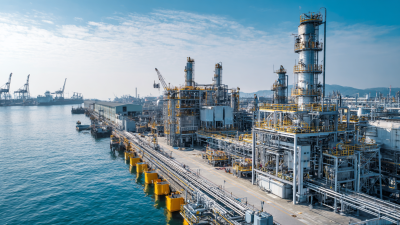
In the industrial sector, Polymer Dosing has emerged as a vital technology. This method utilizes polymers to optimize processes, enhancing efficiency and results. According to a report from the Industrial Water and Wastewater Treatment Association, Polymer Dosing can improve flocculation by up to 30%. This significant reduction in processing time demonstrates its potential benefits in various applications.
Expert Dr. Linda Carter, a leading authority in polymer applications, emphasizes, "The proper use of Polymer Dosing can transform industrial wastewater treatment, leading to substantial cost savings." Such insights underline the importance of expertise in optimizing polymer use.
Adopting Polymer Dosing not only improves process efficiency but also enhances product quality. While many industries have embraced this method, challenges remain. Some facilities may struggle with the initial implementation and training. However, the long-term benefits often outweigh these hurdles. Without a doubt, Polymer Dosing represents a promising avenue for industries seeking innovation in operational effectiveness.
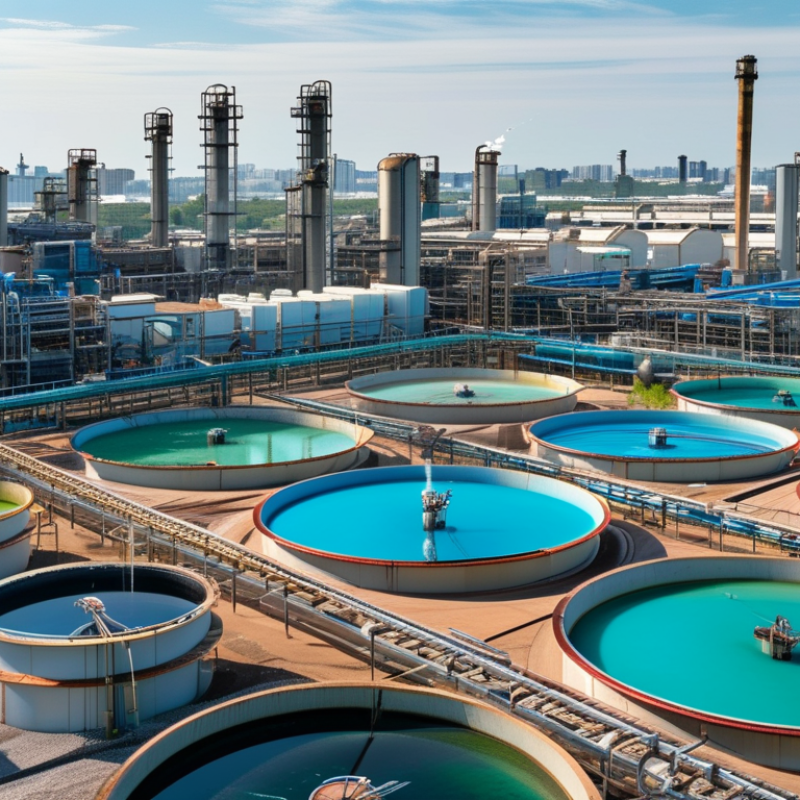
Polymer dosing plays a vital role in various industrial processes. Understanding its significance starts with recognizing its ability to enhance efficiency. Industries often face challenges like water treatment and sludge management.
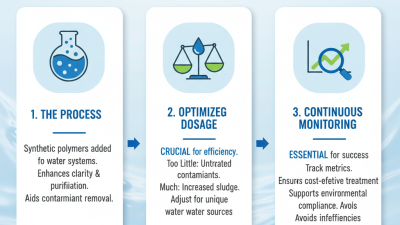
Polymer dosing systems provide a solution by improving flocculation. They assist in solid-liquid separation, leading to clearer effluent water.
The application of polymers also aids in controlling viscosity. This is crucial in processes requiring specific flow characteristics. Using polymers can reduce chemical usage, leading to cost savings. However, implementing these systems is not always straightforward. Operators must be trained and aware of the correct dosage levels. Overdosing can lead to operational inefficiencies and waste.
In addition, the selection of the right polymer type is complicated. Different applications may require different formulations. This necessitates testing and analysis. Achieving the optimal balance between effectiveness and cost can be challenging. Nevertheless, when properly managed, polymer dosing proves to be a valuable tool in enhancing industrial operations.
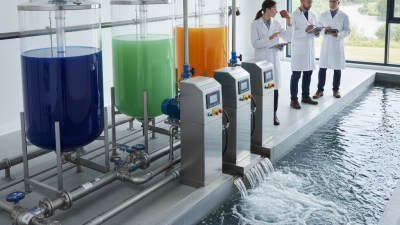
Polymer dosing has gained significant traction in water treatment applications. This method enhances the coagulation and flocculation processes, leading to improved water clarity. According to industry reports, polymer dosing can increase the efficiency of solids removal in wastewater treatment by up to 30%. Enhanced performance not only leads to better water quality but also reduces operational costs.
Efficiency is crucial in industrial water treatment. Water treatment facilities report that polymer dosing optimizes chemical use, minimizing waste. This can result in a reduction of 20% in chemical coagulant usage. As organizations strive to meet stricter regulatory standards, polymer dosing becomes an essential part of the conversation.
**Tip:** Regularly monitor polymer concentration in your system. Overdosing can lead to poor water quality and increased costs.
Addressing challenges requires adaptation. Staff training on polymer dosing can enhance operational success. Lack of knowledge leads to inconsistencies in dosing practices. Understanding the properties of different polymers is vital. Optimal performance hinges on making informed decisions based on expert guidance.
**Tip:** Test various polymers to determine the best fit for your specific application. Each industrial process has unique requirements.
Water treatment innovation continues to unfold. Polymer dosing stands at the forefront, addressing environmental needs effectively and economically. However, the balance between performance and cost-effectiveness remains a challenge for many facilities.
Polymer dosing plays a crucial role in enhancing operational efficiency across diverse industries. By optimizing water treatment processes, polymers improve the settling and dewatering of sludge. This leads to reduced operational costs. Industries can save on resources while achieving greater cleanliness in wastewater treatment.
Polymer dosing solutions ensure consistent mixing and accurate delivery. This reliability minimizes human error and equipment wear. Less downtime is observed, improving overall production yields. Employees also experience less stress as processes become more predictable and manageable.
However, not every organization prioritizes polymer dosing. Some might overlook the need for regular maintenance or training. As a result, potential benefits could diminish over time. It is essential for teams to revisit their strategies and assess the impacts of polymer dosing regularly. Embracing a proactive approach can unlock further operational efficiencies in the long run.
Polymer dosing is gaining traction in industrial applications. One major benefit is cost savings. Efficient dosages reduce overall chemical consumption. This translates to lower procurement costs. Industries report significant reductions in waste. Optimized dosing methods can enhance the effectiveness of treatment processes. They minimize the amount of polymer needed to achieve desired results.
Resource optimization plays a vital role as well. By using polymers more efficiently, industries can conserve water and energy. This approach also leads to less environmental impact. However, improper dosing may lead to excess polymer. This can harm the treatment process and increase operational costs. Regular monitoring and adjustments are critical in achieving optimal results.
Investing in polymer dosing technology may seem daunting. Yet many businesses see long-term gains. Training staff on proper usage is pivotal. Knowledge gaps can hinder the benefits of polymer dosing. Effective communication and ongoing education are essential to maximize efficiency. By focusing on proper implementation, industries can truly reap the rewards of polymer dosing.
The use of polymers in industrial processes is gaining traction. They provide remarkable environmental benefits, particularly in waste management and resource efficiency. For instance, when polymers are added in wastewater treatment, they help in flocculation. This process binds pollutants, making them easier to remove. The result is cleaner water released back into the environment.
Reducing waste forms another advantage. Polymers can enhance material durability, which means products last longer. This durability translates into less frequent replacements and lower resource consumption. However, we need to evaluate polymer disposal methods carefully. Improper disposal can lead to long-term environmental harm. Continued innovation in biodegradable options offers hope but requires rigorous testing and implementation.
Polymers also contribute to energy savings. By improving process efficiency, they lower energy costs. Yet, the extraction and production of these materials often consume significant energy. Balance is key. As industries adopt polymer technology, a critical eye on sustainability is vital. Offsetting the benefits with potential drawbacks is necessary for genuine progress.
| Benefit | Description | Environmental Impact |
|---|---|---|
| Improved Water Clarity | Polymers help in flocculation, leading to clearer water. | Reduces the need for chemical coagulants, minimizing chemical pollution. |
| Reduced Sludge Volume | Efficient polymer dosing can decrease the amount of sludge produced. | Less sludge disposal leads to lower landfill use and resource consumption. |
| Enhanced Settling Rates | Polymers promote faster settling of solids in wastewater treatment. | Improves treatment efficiency and reduces energy use in operations. |
| Lower Operating Costs | Decrease in labor and material costs due to polymer efficiency. | Less resource consumption contributes to environmental sustainability. |
| Odor Control | Polymers can help mitigate odors in wastewater treatment facilities. | Reduces air pollution caused by unpleasant odors. |
| Increased Filter Lifespan | Polymers help prevent clogging in filtration systems. | Decreases the need for filter replacement, minimizing waste. |
| Flexibility in Application | Polymers are suitable for various industrial applications. | Supports diverse processes, reducing the need for multiple products. |
| Energy Efficiency | Polymers enhance energy efficiency in treatment processes. | Lower energy use translates to reduced carbon footprint. |
| Sustainability | Use of biodegradable polymers promotes sustainability. | Less environmental impact compared to traditional chemicals. |
| Improved Compliance | Helps industries comply with environmental regulations. | Supports the protection of local ecosystems and communities. |