Top 10 Continuous Screw Press Manufacturers in China
Choosing a Continuous Screw Press manufacturer in China requires more than comparing price lists. Buyers need to understand what each supplier actually builds, tests, and supports. Presses may look similar in product photos, yet differ in screen design, screw geometry, drive systems, and discharge control. Those details affect throughput, cake dryness, energy use, and maintenance time.
This guide introduces ten manufacturers for buyers evaluating equipment for food processing, wastewater treatment, and other solid-liquid separation tasks. It considers product range, customization options, documented experience, service capacity, and the clarity of technical information. These are useful starting points, not guarantees of performance. A company’s public materials may not reveal how a machine behaves with your specific feedstock. That gap matters.
Ask for operating data from comparable applications. Request drawings, material specifications, and references where available. Check how the supplier handles wear parts, installation guidance, and troubleshooting after delivery. Small details count. A poorly matched screen opening or inconsistent feed can undermine an otherwise capable press. We should also be candid: manufacturer rankings can change as product lines and service networks evolve. Treat this list as a shortlist for careful verification, then compare each candidate against your process conditions and site requirements. A factory visit or sample test may reveal more than polished claims ever will.
Understanding Continuous Screw Presses and Their Applications
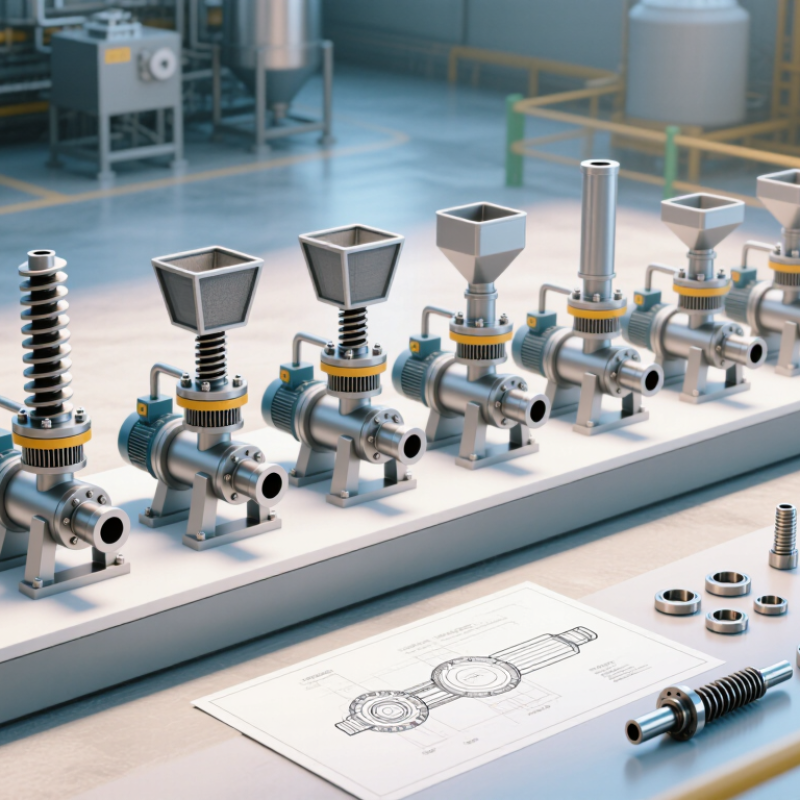
A continuous screw press moves material through a barrel as a rotating screw applies steady pressure. Liquid drains through screen openings, while the compressed solids leave at the discharge end. The process can run without stopping for each batch. That matters. In food processing, presses may separate juice from crushed fruit or oil from prepared seeds. In wastewater and industrial settings, they can reduce moisture in suitable slurries or fibrous residues.
The machine’s performance depends on the feed, not just motor power. Particle size, moisture, temperature, and fiber content can change throughput and cake dryness. A screen that works well for one material may clog with another. Operators should check how easily the feed moves, how much liquid it releases, and whether the discharge remains consistent. For example, a thick, uneven feed may need conditioning before pressing. Cleaning access and screen replacement also affect practical uptime. A press can look efficient on paper, yet perform poorly when the material varies during a shift. I would not assume one model suits every application; small trials and measured operating data give a more dependable basis for selection.
Continuous Screw Presses: Illustrative Dewatering Applications
Representative moisture-content estimates for incoming material and pressed cake in municipal sludge and food-waste applications. Actual results vary with feed composition, press design, and operating conditions.
Moisture content is shown as a percentage of wet mass. Values are indicative examples, not guaranteed performance specifications.
Key Criteria for Evaluating Chinese Manufacturers
When evaluating continuous screw press manufacturers in China, look beyond catalog capacity. Ask how each model handles changes in sludge concentration, fiber content, and daily operating hours. A press that performs well with one feed may struggle when solids vary. Request test data using material similar to yours, including cake dryness, capture rate, and power use. Numbers can look tidy. Check how they were measured.
Inspect the proposed contact parts, screen openings, screw construction, and wear-component replacement process. Ask for drawings, material specifications, and a factory acceptance test plan. During a visit, look for consistent welds, organized assembly areas, and clear inspection records. These details do not guarantee field performance, but they help reveal process discipline. Compare response times, spare-parts availability, installation guidance, and operator training. No single test settles the decision; even a well-run trial may not reproduce every site condition. Record assumptions, and ask the supplier to explain any gaps plainly.
Top 10 Continuous Screw Press Manufacturers in China
China’s continuous screw press manufacturers serve food processing, municipal wastewater, and other industries that need steady solids separation. Demand is shaped by real treatment volumes: China’s 2022 China Urban Construction Statistical Yearbook records more than 62 billion cubic metres of urban wastewater treated. That figure signals a substantial sludge-handling workload, but it does not prove that any single press design will perform well. Buyers should compare screen openings, screw geometry, wear materials, motor controls, and access for cleaning. Small details matter.
A useful manufacturer review goes beyond catalogue capacity. Ask for test records using sludge similar to yours, including feed solids, polymer dosage, cake dryness, and filtrate clarity. Request a witnessed trial if possible. A press that runs smoothly on one feed may struggle when fibres, oil, or solids concentration change. Even an impressive demonstration has limits; be cautious when operating conditions are not disclosed. Check fabrication quality, spare-part availability, and service response times before comparing prices.
Tips: Bring a representative sample and agree on test conditions in writing. Compare results at the same throughput and feed quality. Ask how operators clear a blocked screen, and inspect welds and guarding during a factory visit. One uncomfortable question is useful: what performance does the supplier not guarantee?
Comparing Product Range, Quality, and Customer Support
When comparing continuous screw press manufacturers in China, product range should mean more than a long catalogue. Check whether models cover your actual sludge volume, solids content, and available floor space. Ask for throughput data under conditions close to yours, not only ideal test figures. Options such as screw diameter, screen design, and contact materials can affect capacity and maintenance needs. A broad range is useful. But it can also make selection harder.
Quality is easier to judge through verifiable details: material specifications, weld consistency, guarding, and documented factory testing. Request operating references for similar wastewater or food-processing applications, then ask what performance was measured. A clean sample may not represent months of use. That matters. Customer support deserves the same scrutiny. Confirm who helps with installation, operator training, spare screens, and troubleshooting after delivery. Response times should be stated clearly, especially for plants running continuous shifts. A supplier may offer capable equipment yet provide limited field support. I would compare written service commitments alongside price; I have seen buyers overlook this detail, and it is not always easy to correct later.
Choosing the Right Manufacturer for Your Requirements
Choosing the right continuous screw press manufacturer starts with your sludge, not a catalogue ranking. Record daily flow, feed solids, expected cake dryness, and how much the material changes between shifts. Fibrous sludge behaves differently from fine mineral solids. Ask manufacturers to assess representative samples or explain how they validate performance. A single throughput figure rarely tells the whole story.
Tips: Request a test report with feed conditions, polymer dosage, cake solids, and filtrate quality. Check screen access, wash-water needs, and wear-part replacement time. Small details matter.
Compare more than purchase price. Ask what is included in installation, operator training, commissioning, and routine maintenance. Confirm that spare screens and seals can be supplied on a practical schedule. Request references from facilities handling similar feed, then ask what required adjustment after startup. Feed conditions often fluctuate, and a press that performs well in a trial may need tuning on site. That uncertainty is easy to overlook. A clear service plan and realistic performance range can be more useful than a polished promise.