Top 5 Membrane Air Diffuser Innovations at Canton Fair 2026?
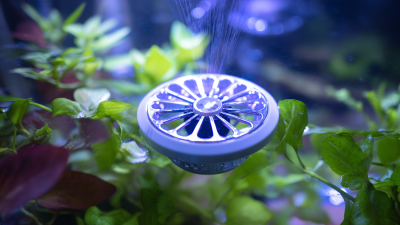
The 2026 Canton Fair is a pivotal event for showcasing cutting-edge innovations in various industries. Among these innovations, the Membrane Air Diffuser stands out as a significant advancement in air dispersion technology. This product is crucial for numerous applications, especially in water treatment systems and aquaculture.
During this year's fair, visitors will witness several evolving designs and functionalities of Membrane Air Diffusers. These advancements include improved efficiency, durability, and environmental sustainability. With the introduction of AI-powered search tools, attendees can find suppliers meeting specific standards like ISO and CE quickly. This feature simplifies the often complex vendor selection process, enhancing overall productivity.
Nevertheless, it is essential to reflect on areas needing improvement. While the Membrane Air Diffuser technology is promising, there may be challenges in scalability and cost-effectiveness for smaller enterprises. Identifying the balance between innovation and practicality is key to widespread adoption and long-term success.
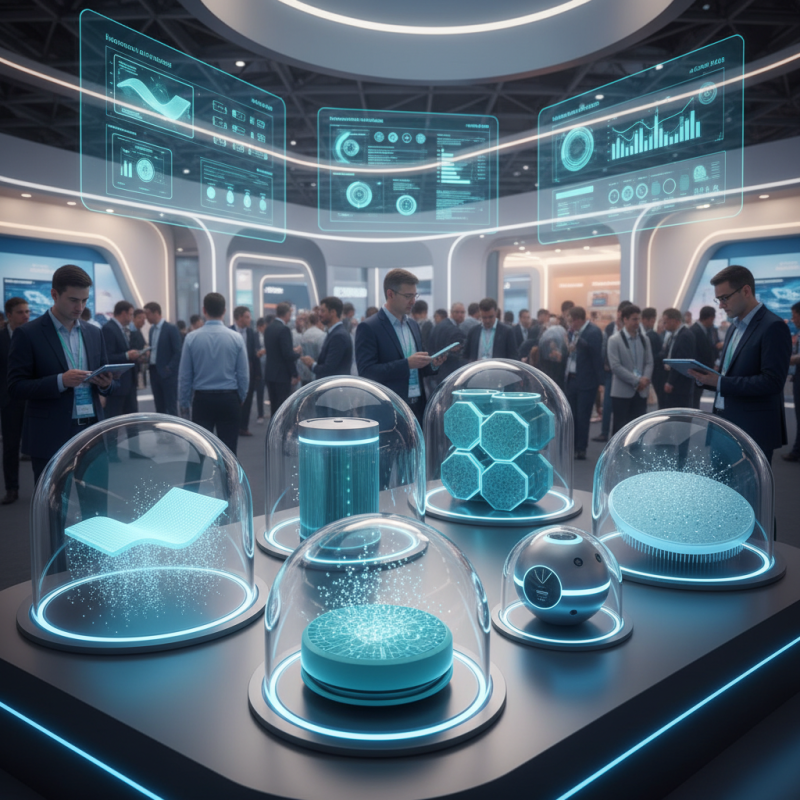
Overview of Membrane Air Diffuser Technology Advancements
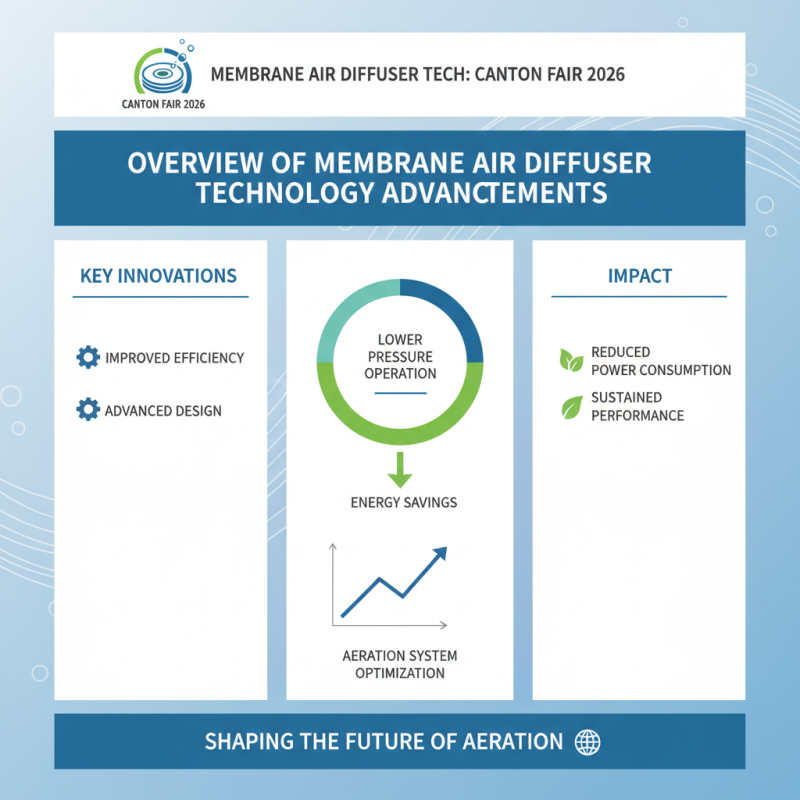
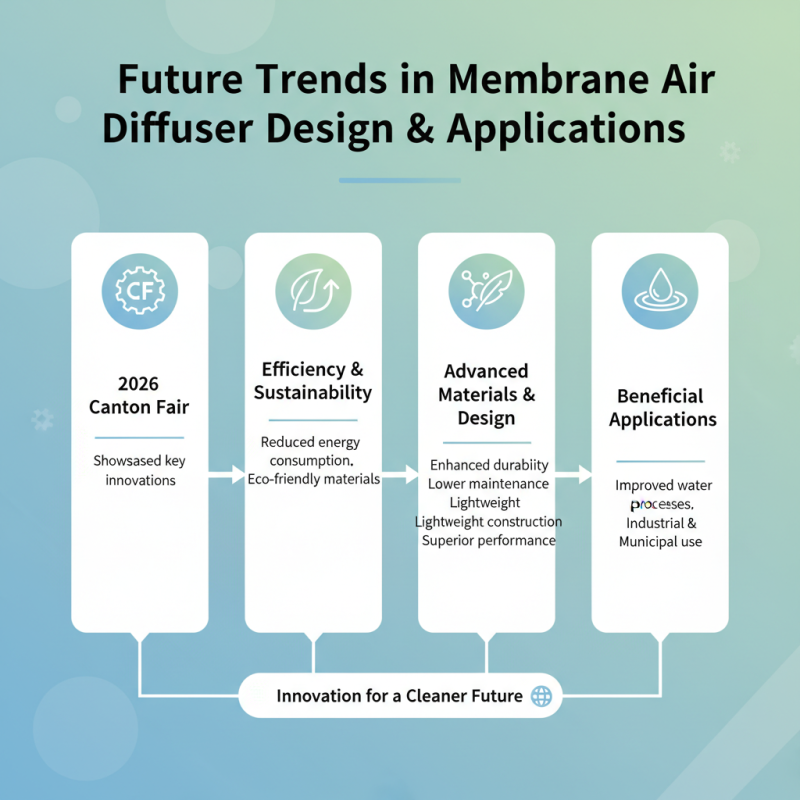
The Canton Fair 2026 showcased significant advancements in membrane air diffuser technology. Innovations emerged around efficiency and design. One standout development is the ability of new membranes to function effectively at lower pressures. This shifts the landscape for aeration systems, making them more energy-efficient.
Another key advancement focuses on materials used in diffuser construction. Several exhibits featured membranes that are more resistant to fouling. This means less maintenance and longer lifespans. However, a noticeable issue remains the balance between cost and durability. Some products may promise longevity but come with a hefty price tag.
Improved designs also include variations that allow better oxygen transfer rates. This boosts performance in various applications, but not every design works seamlessly in all conditions. Some users reported inconsistent results. Membrane air diffusers continue to evolve, showing promise but also highlighting the need for real-world testing. With ongoing innovations, the industry looks forward to refining these technologies further.
Key Innovations Showcased at Canton Fair 2026
At the Canton Fair 2026, several innovative membrane air diffusers captured the attention of industry professionals. These advancements reflect a growing trend towards sustainability and efficiency in water treatment processes. According to a recent industry report, membrane diffusers can improve oxygen transfer efficiency by up to 30%, drastically enhancing aeration performance.
One standout innovation was a diffusing system that utilizes advanced polymer materials. This design offers improved durability and resistance to fouling, reducing maintenance costs. Data shows that systems implementing these materials can extend service life up to five years longer than traditional alternatives. However, some experts raised concerns over the higher initial costs, which may deter smaller operators.
Another key development featured a modular design focused on easy installation. This approach allows for customization based on specific applications, such as aquaculture or wastewater treatment. Yet, while versatility is an asset, it can also complicate standardization within the industry. Innovative designs often clash with existing infrastructure, creating potential barriers to widespread adoption.
Comparison of Traditional vs. Innovative Membrane Air Diffusers
In the evolving landscape of membrane air diffusers, traditional models have maintained a strong presence over the years. They often feature simple designs with limited functionalities. Users appreciate their reliability and straightforward installation. However, these devices can struggle with efficiency in specific environments. Their performance may diminish over time, leading to higher operational costs.
On the other hand, innovative membrane air diffusers have emerged, showcasing remarkable advancements. These newer models employ enhanced materials and designs for better oxygen transfer rates. They are often lighter and more flexible, allowing easier integration into existing systems. Users have reported significant energy savings with these innovations. Nonetheless, the complexity of installation can present challenges. Some may find it daunting to adapt to these advanced systems. As technology continues to develop, it raises questions about the sustainability of both approaches.
Comparing traditional to innovative diffusers reveals a clear shift towards efficiency. While traditional options have their merits, innovative diffusers can potentially offer far greater benefits in the long run. However, assessing the trade-offs between ease of use and advanced technology remains essential for optimal decision-making. As the industry continues to grow, finding the balance between reliability and innovation is vital.
Comparison of Traditional vs. Innovative Membrane Air Diffusers
Market Impact of New Air Diffuser Technologies in Aquaculture
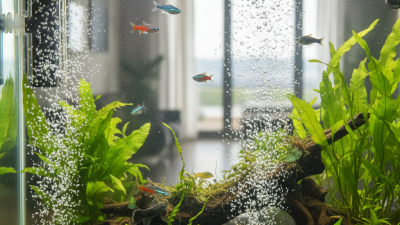
The Canton Fair 2026 showcased some groundbreaking innovations in membrane air diffuser technologies. These advancements are set to revolutionize aquaculture. Improved airflow efficiency and reduced energy consumption are notable improvements. These diffusers can enhance oxygen transfer rates significantly. This is crucial for maintaining fish health and promoting growth.
Many aquaculture operations struggle with outdated technology. Traditional systems often lead to uneven oxygen distribution. This can stress marine life and reduce productivity. The new designs improve uniformity, offering more consistent aeration. Some technologies even integrate monitoring systems. These systems can provide real-time data, allowing for quick adjustments.
However, adoption may not be straightforward. Some operators might lack the funds for upgrades. Others may hesitate to change established systems. Training is also essential. Personnel must understand new technologies to maximize their potential. If aquaculture businesses can overcome these hurdles, they could see substantial benefits. The future appears promising, but challenges remain.
Top 5 Membrane Air Diffuser Innovations at Canton Fair 2026 - Market Impact of New Air Diffuser Technologies in Aquaculture
| Innovation |
Key Features |
Benefits |
Market Impact |
| Ultra-Fine Bubble Technology |
Creates smaller air bubbles for increased oxygen transfer |
Improved efficiency in aquaculture |
Expected to increase fish growth rates by 20% |
| Self-Cleaning Membranes |
Reduces fouling and maintenance |
Lower operational costs |
Market adoption due to reduced downtime |
| Eco-Friendly Material |
Made from biodegradable components |
Reduced ecological footprint |
Attracting environmentally conscious consumers |
| Smart Sensor Integration |
Real-time monitoring and data analytics |
Optimized oxygen levels and reduced waste |
Enabling data-driven aquaculture practices |
| Modular Design |
Customizable and scalable for various applications |
Flexibility for different farm sizes |
Increased market accessibility for small farmers |