Top Metering Dosing Pumps for Efficient Global Purchasing?
In today's fast-paced industrial landscape, efficiency is essential, and so is the choice of the right equipment. Metering dosing pumps stand at the forefront of this equipment category. According to Dr. Jane Smith, a leading expert in fluid dynamics, "The right metering dosing pump can drastically improve process accuracy and reduce waste." As industries adopt innovative practices, the demand for reliable metering dosing pumps increases.
Metering dosing pumps provide precise fluid delivery and are essential for various applications. Their efficiency minimizes errors and enhances productivity. However, selecting the best pump for specific needs can be challenging. Various factors must be considered, such as flow rate, pressure, and the nature of the fluids being pumped. Despite advancements, there remains a gap in understanding these nuances among professionals.
Exploring the top metering dosing pumps available globally can clarify options. While some pumps excel in reliability, others shine in cost-effectiveness. The balance between quality and price often leads to tough decisions. As industries seek smarter purchasing strategies, understanding the underlying features of metering dosing pumps will pave the way for better choices. The journey to optimal efficiency requires continuous learning and reflection on product offerings.
Overview of Metering Dosing Pumps and Their Applications
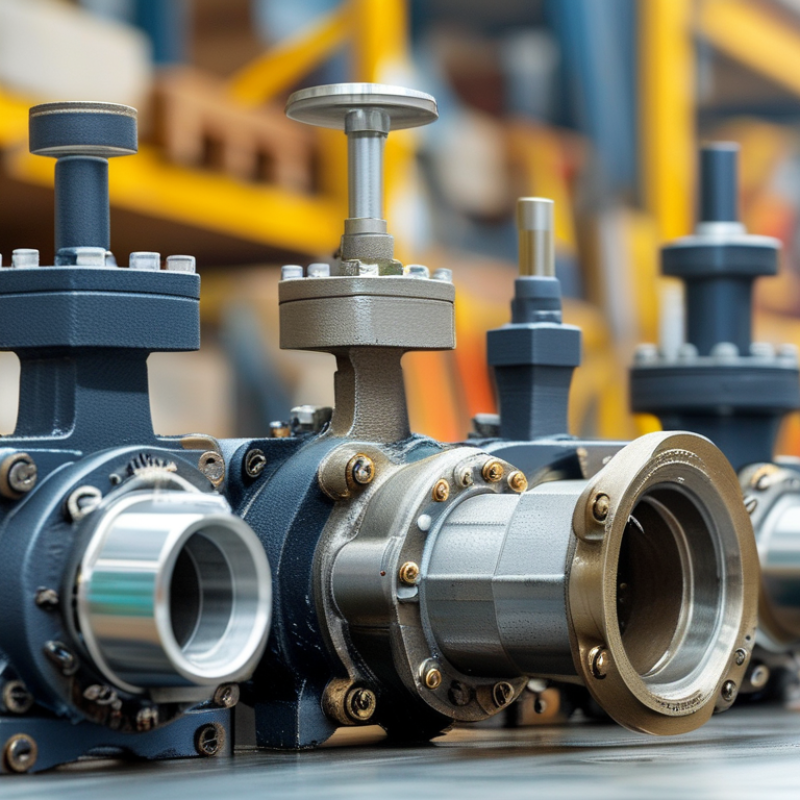
Metering dosing pumps play a crucial role in a variety of industries. These pumps accurately dispense precise amounts of liquids, such as chemicals, additives, and medicines. Their applications range from water treatment facilities to food processing plants. By ensuring exact dosages, they enhance efficiency and safety in operations.
The technology behind metering dosing pumps is fascinating. Most models use positive displacement mechanisms. This allows for consistent flow rates, irrespective of pressure changes. Users often value the ability to adjust flow settings easily. This adaptability can significantly impact production processes. However, not every pump is suitable for every application. It is vital to evaluate specific needs and conditions.
Choosing the right metering pump requires careful consideration. Factors like fluid viscosity and temperature can affect performance. Users sometimes overlook these elements, leading to inefficiencies. Additionally, routine maintenance is essential for optimal function. Without such measures, even the best pumps can underperform. This aspect often demands attention in purchasing decisions.
Key Features to Consider When Selecting Dosing Pumps
When selecting metering dosing pumps, several key features warrant careful consideration. The pump's accuracy is crucial. Precise dosing ensures consistent results, which is vital in various applications, from chemical processing to food production. Look for models with adjustable flow rates. This flexibility accommodates different operational needs.
Material compatibility is another critical factor. Pumps are often exposed to aggressive chemicals. Incompatible materials can lead to premature wear or failure. Therefore, understanding the chemical properties of the substances being handled is essential. Additionally, the assembly and design should allow for easy maintenance. Frequent inspections can reveal signs of wear, and prompt maintenance can prevent costly downtimes.
Energy efficiency also plays a significant role. Pumps that consume less power reduce operational costs. Additionally, consider the pump’s noise level. A quieter model could be preferable in sensitive settings. While many options are available, assessing these features can feel overwhelming. Always strive for a balance between quality and cost-efficiency. This can lead to better long-term decisions in global purchasing.
Top Metering Dosing Pumps for Efficient Global Purchasing
Top Global Manufacturers of Metering Dosing Pumps
When examining the global landscape of metering dosing pumps, certain manufacturers stand out due to their innovations and precision in fluid handling technology. The market has shown a steady growth rate of approximately 7.5% per year. This growth highlights the increasing importance of metering pumps in various industries, including water treatment and chemical processing. Many of these manufacturers specialize in providing high-quality solutions tailored for diverse applications, ensuring accuracy and reliability.
Industry reports indicate that the Asia-Pacific region is leading the charge, representing nearly 40% of the market share. This is due to rapid industrialization and urbanization in countries like China and India. However, it’s crucial to understand that not all offerings meet stringent global standards. Manufacturers must continuously evaluate their production processes to meet evolving regulations and customer expectations related to efficiency and sustainability.
A common challenge lies in balancing cost with efficiency. While many manufacturers aim for lower production costs, this can sometimes compromise quality. Investing in advanced technologies such as smart sensors does provide a pathway to improved monitoring and control, but budget constraints often lead to hesitance in adoption. Ensuring that manufacturing processes are both efficient and reliable is vital. The ongoing challenge for manufacturers involves not just meeting current demands but anticipating future trends in dosing applications.
Comparison of Metering Dosing Pumps: Cost and Efficiency
When selecting metering dosing pumps, efficiency and cost are paramount. Many industries rely on precise fluid control in operations. Thus, a detailed comparison of available options becomes essential. Not all pumps deliver the same performance for equivalent costs. Understanding each pump's design and functionality aids in making informed decisions.
Efficiency involves several factors. Flow rates, pressure conditions, and the nature of the fluid matter greatly. Some pumps excel in handling viscous liquids, while others struggle. It's crucial to match the pump's capability with the specific needs of your application. A thorough evaluation often reveals potential cost savings. Choosing the right pump can lead to significant reductions in operational expenses.
On the surface, lower-priced pumps seem appealing. However, hidden costs may emerge. Maintenance and energy consumption can quickly erode initial savings. Understanding these aspects is vital. Real-world performance reviews and case studies help clarify efficiency claims. Engaging with industry experts or peer feedback provides deeper insights, making your decision more reliable. Balancing cost with performance efficiency is key in the purchasing process. Always reflect on your choices; the perfect pump should align seamlessly with your operational goals.
Trends in Metering Dosing Pump Technology for the Future
Emerging trends in metering dosing pump technology highlight a shift towards increased automation and precision. Industry reports indicate that the global metering pump market is projected to reach $7.83 billion by 2026, growing at a CAGR of 6.5%. This growth reflects a demand for more reliable and consistent dosing solutions across various sectors, including water treatment and chemical processing.
Advancements in materials and design are enabling pumps to handle corrosive and abrasive fluids more effectively. For instance, new elastomers and coatings enhance durability and reduce maintenance needs. However, companies face a challenge in managing supply chain disruptions. This can affect the availability of high-performance components needed for these advanced pumps.
Smart technology is also becoming integral to metering dosing pumps, allowing for real-time monitoring and precise adjustments. Reports show that incorporating IoT features could enhance operational efficiency by 30%. Yet, with the rise of digital solutions, there is a learning curve. Users must adapt to these technologies to fully leverage their benefits. This transition may pose difficulties, particularly for companies with limited technical experience.
Top Metering Dosing Pumps for Efficient Global Purchasing
| Pump Model |
Flow Rate (L/H) |
Pressure Range (bar) |
Power Consumption (W) |
Material |
Applications |
| Model A |
500 |
10-20 |
300 |
Stainless Steel |
Water Treatment |
| Model B |
250 |
5-15 |
250 |
PVC |
Chemical Processing |
| Model C |
800 |
15-30 |
400 |
Titanium |
Pharmaceuticals |
| Model D |
600 |
8-18 |
350 |
Carbon Steel |
Food Industry |