Top 5 Tips for Choosing an Automatic Dosing System?
Choosing the right Automatic Dosing System can be daunting. Experts emphasize the importance of careful selection. John Smith, a leading expert in chemical dosing technology, states, “The right dosing system can significantly improve efficiency and safety.” This highlights the critical role of a well-chosen system.
An Automatic Dosing System ensures precise chemical management. In industries like water treatment and manufacturing, accuracy is essential. A wrong choice can lead to significant operational issues, including safety hazards and increased costs. Many companies overlook specific needs during selection, leading to unsatisfactory results.
Understanding how various systems function matters. Consider factors like integration compatibility and maintenance requirements. Trusting a reputable brand can guide your decision. However, it's vital to remain open to feedback and adjustments after installation. Continuous improvement is part of maintaining an effective Automatic Dosing System.
Understanding the Basics of Automatic Dosing Systems in Industry
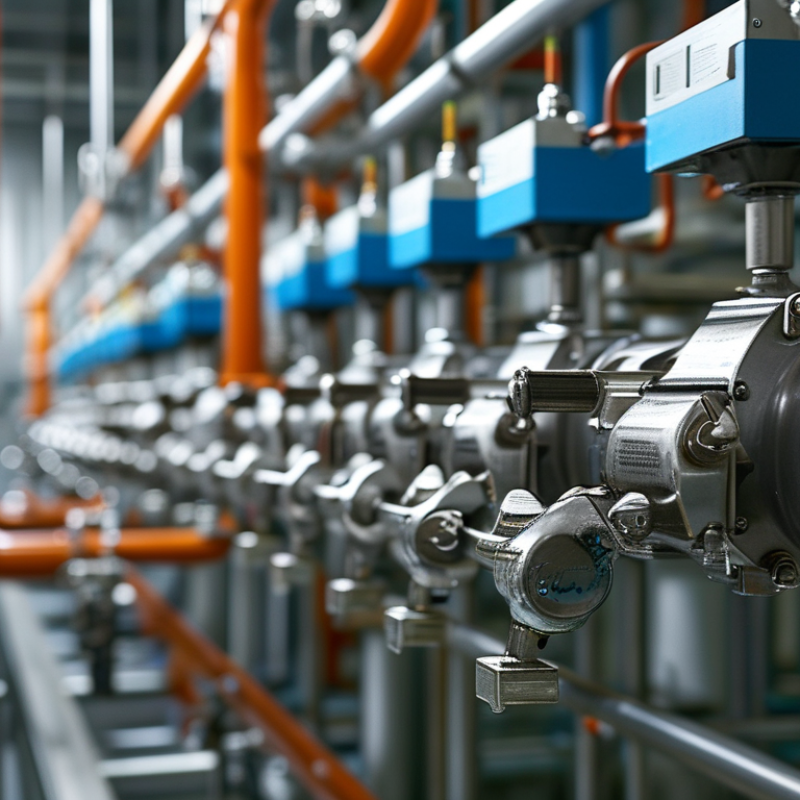
Automatic dosing systems play a crucial role in various industries, enabling precise and consistent delivery of chemicals and materials. Understanding their basics is essential for making informed choices. These systems can vary widely in complexity. Some are simple devices, while others are highly sophisticated setups that require integration with existing equipment. Knowing these differences helps you weigh your options carefully.
When selecting an automatic dosing system, consider its accuracy and reliability. Systems that offer real-time monitoring can provide valuable feedback, enhancing operational efficiency. It’s also important to evaluate the system's compatibility with your current processes. A mismatch can lead to inefficiencies and increased maintenance.
Another critical factor is ease of use. The interface should be user-friendly, reducing training time for operators. A complicated system might introduce more issues than it solves. Budget constraints also play a part, as not all high-priced systems guarantee better performance. Ultimately, reflect on your unique needs. A system that's perfect for one application may falter in another.
Evaluating Dosing Precision: Key Metrics and Performance Standards
When evaluating dosing precision, understanding key metrics is crucial. Accuracy and repeatability are foundational aspects of any dosing system. Accuracy refers to how close the dose delivered is to the target. Repeatability, on the other hand, measures consistency across multiple doses. A system that scores high on both metrics is essential for maintaining process integrity.
Users should also consider the dosing range of the equipment. Some systems work well only within a specific volume range. This limitation can affect overall efficiency. Furthermore, the response time of the system is important. A slow response can lead to over or underdosing, impacting production output. Regular calibration and maintenance can help ensure systems perform optimally, yet not every business prioritizes this routine.
Finally, continuous monitoring is vital. Many operators overlook this aspect. Collecting and analyzing performance data helps identify trends and anomalies. By doing so, users can preemptively address potential issues. Although no system is perfect, being proactive can enhance performance and reliability significantly.
Assessing Compatibility: Chemical Interactions and Material Selection
Choosing an automatic dosing system involves careful consideration of chemical interactions and material selection. Understanding these factors is crucial for effective operation and long-term reliability. Many materials can react differently to various chemicals. For example, stainless steel may resist corrosion, but some acids can cause pitting damage.
When assessing compatibility, always analyze the chemicals you’ll work with. Gather detailed specifications of all involved substances. Pay special attention to temperature and pressure conditions. Plastic materials may seem cost-effective, but their long-term durability can be questionable in harsh environments. Investigate alternatives like advanced composites.
Remember to consult industry standards and guidelines on material compatibility. They offer insights based on real-world use. Practical experience from others in your field can help you avoid costly mistakes. Consider reaching out for expert advice during the selection process to enhance reliability and effectiveness. Always aim for a well-informed decision.
Top 5 Tips for Choosing an Automatic Dosing System
This chart illustrates the importance rating of various criteria when selecting an automatic dosing system. Chemical compatibility is deemed the most critical factor, followed closely by material selection and cost efficiency.
Cost-Benefit Analysis: Long-Term Savings vs. Initial Investment
When considering automatic dosing systems, it's crucial to evaluate both the initial investment and the long-term savings. A study by the American Chemical Society indicates that companies can save up to 30% on chemical costs with efficient dosing systems. While the upfront costs might seem high, the potential for decreased waste and improved consistency often outweighs those initial expenses.
A key tip when choosing a system is to assess your specific needs. Understanding the volume and type of liquids you work with can guide you toward the right technology. It's also wise to consider system scalability. According to recent data, industries that anticipate growth or changes often benefit from systems that can be easily upgraded.
Regular maintenance is essential. In some cases, ongoing costs can significantly affect overall savings. A poorly maintained system may lead to inefficient dosing, wasting both resources and money. Monitoring performance can help mitigate this risk. Make sure to document any changes in operational efficiency to reinforce your investment decision.
Top 5 Tips for Choosing an Automatic Dosing System
| Tip |
Consideration |
Initial Investment ($) |
Annual Savings ($) |
Payback Period (Years) |
| 1. Assess Your Needs |
Understand specific dosing requirements. |
$5,000 |
$2,000 |
2.5 |
| 2. Evaluate Technology |
Choose a reliable and efficient system. |
$6,500 |
$2,500 |
2.6 |
| 3. Consider Maintenance Costs |
Factor in long-term upkeep expenses. |
$4,000 |
$1,800 |
2.2 |
| 4. Look for Automation Features |
Explore smart dosing options. |
$7,500 |
$3,200 |
2.3 |
| 5. Assess Supply Chain Integration |
Ensure compatibility with existing systems. |
$5,500 |
$2,700 |
2.0 |
Exploring Maintenance Requirements for Sustainable Dosing Solutions
When selecting an automatic dosing system, maintenance plays a crucial role. Proper maintenance ensures consistent performance and extends the equipment's lifespan. Research shows that neglected systems can lead to a 30% increase in operational costs due to inefficiencies. An effective maintenance plan can significantly mitigate these risks.
Regular inspections are vital. Check for wear and tear in components periodically. Monitoring fluid levels, pressures, and system outputs helps identify issues early. For instance, a breakdown in the dosing unit can cause inconsistent chemical levels, leading to product quality issues. Documentation of maintenance actions increases reliability and can improve overall system efficiency by up to 25%.
Training personnel often gets overlooked. Skilled operators understand the intricacies of the system. This knowledge helps prevent potential failures. Reports indicate that systems managed by trained staff have a lower failure rate, reducing downtime significantly. Frequent training sessions can bring about a culture of proactive maintenance. This focus can change the game for many facilities seeking sustainable dosing solutions.