2026 Best Dissolved Air Flotation System for Global Buyers?
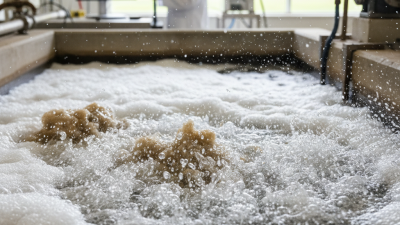
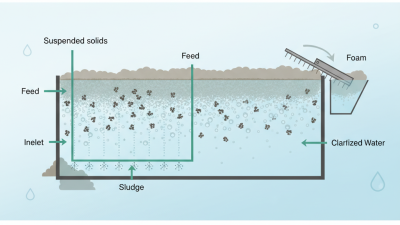
In recent years, the demand for effective water treatment solutions has surged. One prominent technology gaining attention is the Dissolved Air Flotation System. Its ability to efficiently separate contaminants from wastewater makes it a crucial choice for industries worldwide. This system employs tiny air bubbles to lift solids and oils to the surface, creating a sludge that can be easily removed.
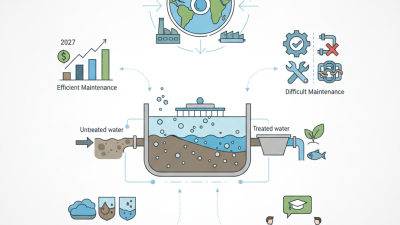
However, not all Dissolved Air Flotation Systems are created equal. Global buyers face challenges in selecting the best options. Factors like efficiency, maintenance, and cost-effectiveness significantly influence the purchasing decision. Many systems promise efficiency but fail in real-world applications. Buyers often find themselves comparing a wide range of manufacturers and models.
Selecting the right Dissolved Air Flotation System requires understanding various technologies and their performance metrics. This process can lead to confusion. Prospective buyers should seek expert advice to navigate this complex landscape. Ultimately, a well-chosen system can greatly improve wastewater treatment efficiency.
Overview of Dissolved Air Flotation Systems and Their Applications
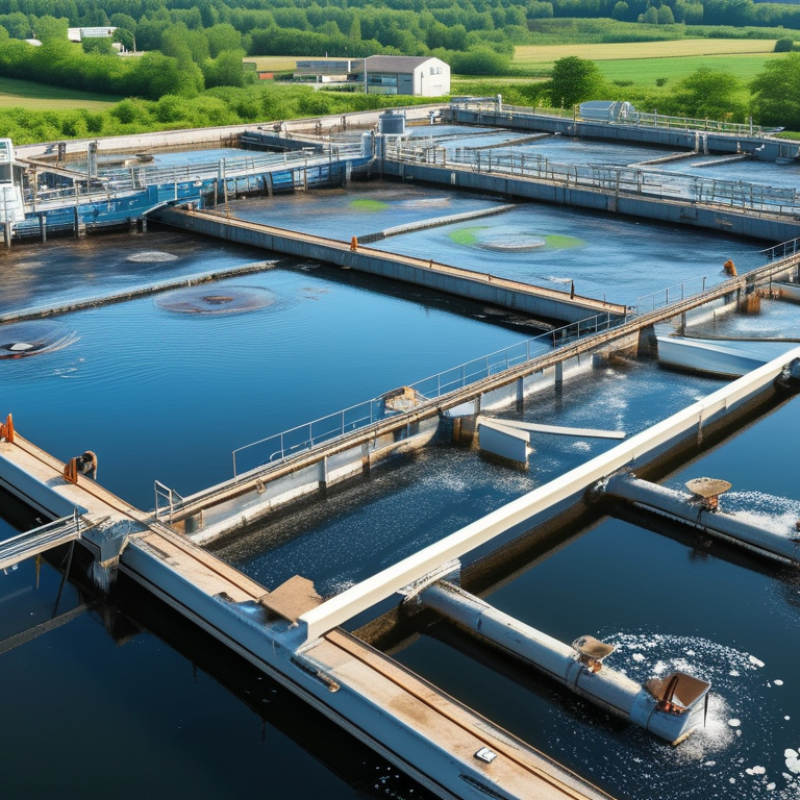
Dissolved Air Flotation (DAF) systems are widely recognized for their efficiency in separating solids from liquids. This technology is essential in various industries, such as food and beverage, petrochemical, and wastewater treatment. DAF systems enhance treatment efficiency by introducing micro-bubbles, which adhere to suspended particles. These bubbles help float the solids to the surface for easy removal. This makes DAF a go-to solution for many industrial applications.
Recent industry reports indicate that the global DAF market is expected to grow significantly. The market size is projected to reach approximately $4.5 billion by 2026. Increased industrialization and stricter environmental regulations contribute to this growth. Moreover, industries are increasingly focused on sustainable practices. DAF systems can process large volumes of wastewater, making them invaluable in achieving compliance with treatment standards.
However, there are challenges to consider. For instance, proper maintenance of DAF systems is crucial for optimal performance. If not managed correctly, efficiency may decline. Operators often report issues like bubble size variability, which can impact the separation process. Continuous innovation is required to address these challenges effectively. As the industry evolves, stakeholders should prioritize ongoing training and technical expertise to improve system reliability.
Key Features to Consider When Choosing a Dissolved Air Flotation System
When selecting a dissolved air flotation (DAF) system, several key features are crucial. First, consider the flow rate. It should match your treatment needs. A system with adjustable flow capacity ensures flexibility. Check the DAF unit's design; a robust construction can enhance durability. This is essential for long-term use in various environments.
Another important aspect is the removal efficiency of suspended solids. Look for systems that offer high performance levels under varying influent conditions. Ensure the system provides reliable clarification, which can be critical for achieving regulatory compliance.
Tips: Evaluate the maintenance requirements too. Systems that are easy to maintain reduce downtime. A well-maintained system performs better over time. Regular audits of the DAF unit can identify inefficiencies, leading to continuous improvement.
Pay attention to energy consumption. Efficient systems can operate effectively while minimizing energy usage. Ultimately, the right choice balances performance and cost-efficiency, ensuring a sustainable operation.
Top Manufacturers and Brands of Dissolved Air Flotation Systems in 2026
In 2026, the demand for dissolved air flotation (DAF) systems continues to rise. These systems are crucial in wastewater treatment across various industries. They effectively remove suspended solids and pollutants, ensuring compliance with environmental regulations. Several manufacturers are at the forefront of this technology, showcasing innovative designs and performance enhancements.
Top manufacturers offer diverse options that cater to different needs. Some focus on energy efficiency while others prioritize compact designs for space-saving installations. The competition drives advancements, leading to more reliable and effective systems. However, not all systems perform equally. Users often face challenges, like maintenance issues and fluctuating efficiency levels. This highlights the importance of thorough research before investing in DAF systems.
Leading brands demonstrate significant experience in water treatment solutions. Reviews and user feedback can provide insights into their performance. Despite the advancements, some customers still express concerns over customer support and service availability. This emphasizes the need for potential buyers to consider not only technology but also the reputation and reliability of manufacturers in the market.
Comparative Analysis of Dissolved Air Flotation Systems for Global Markets
Dissolved Air Flotation (DAF) systems are vital for water treatment across the globe. They utilize aeration to remove suspended solids and pollutants. Recent studies indicate that DAF systems can effectively reduce turbidity by up to 90% in municipal wastewater. This efficiency is pivotal for industries seeking to comply with stringent environmental regulations.
An analysis of global DAF markets reveals a shift towards more compact designs. Many facilities now prefer systems with lower energy consumption. The global market for DAF systems is projected to reach $1.1 billion by 2026, growing at a CAGR of 5.2%. This growth reflects the increasing demand for sustainable water solutions. However, there remains a challenge; some older systems struggle with sludge handling, leading to inefficiencies.
Operational expertise is crucial in maximizing DAF performance. Training staff can make a difference in system reliability. Yet, discrepancies in operational standards exist. This inconsistency can result in varying outcomes even with similar technology. As the industry evolves, continuous innovation and adaptation will be essential for meeting future water treatment needs.
Future Trends in Dissolved Air Flotation Technology and Innovation
Dissolved Air Flotation (DAF) technology is evolving rapidly. As we look to 2026, innovation will drive its future. A recent report predicts a 5% annual growth in the global DAF market. Factors include increasing regulatory pressure on wastewater treatment and a shift towards sustainable practices.
New trends are emerging in DAF technology. Advanced materials improve flotation efficiency. Integrating artificial intelligence enhances process control. Real-time data analytics also allows operators to monitor performance closely. Companies must adapt to these changes to remain competitive.
Tips: Consider the local regulations regarding wastewater. They often influence the choice of DAF systems. Collaborating with experts can aid in selecting the right technology for your facility.
As industries seek efficient solutions, DAF systems must address challenges. These include varying water qualities and treatment capacities. Continuous innovation will be key to overcoming these hurdles while meeting diverse client needs. The path ahead is promising, yet complex.
2026 Best Dissolved Air Flotation System Performance Metrics