2026 Best Poly Dosing Solutions for Effective Water Treatment?
In the field of water treatment, effective solutions are paramount for ensuring clean water. "Poly Dosing In Water Treatment" is a vital process that aids in this goal. Dr. Lisa Kim, a renowned expert in water treatment technologies, emphasizes, "The right dosing system can transform water quality." Her insights highlight the significance of proper dosing techniques.
Poly dosing offers various benefits. It enhances coagulation and improves water clarity. However, not all systems are created equal. Evaluating different dosing methods can be overwhelming, especially with the evolving technologies. Many facilities still struggle with outdated systems. This poses a challenge for water professionals.
The journey toward optimal poly dosing solutions continues. Continuous innovations are crucial for improving efficiency. Future advancements may address current shortcomings in poly dosing. As the industry adapts, staying informed is essential for making reliable choices. Water treatment relies heavily on effective dosing methods, and the future looks promising with ongoing research and development.
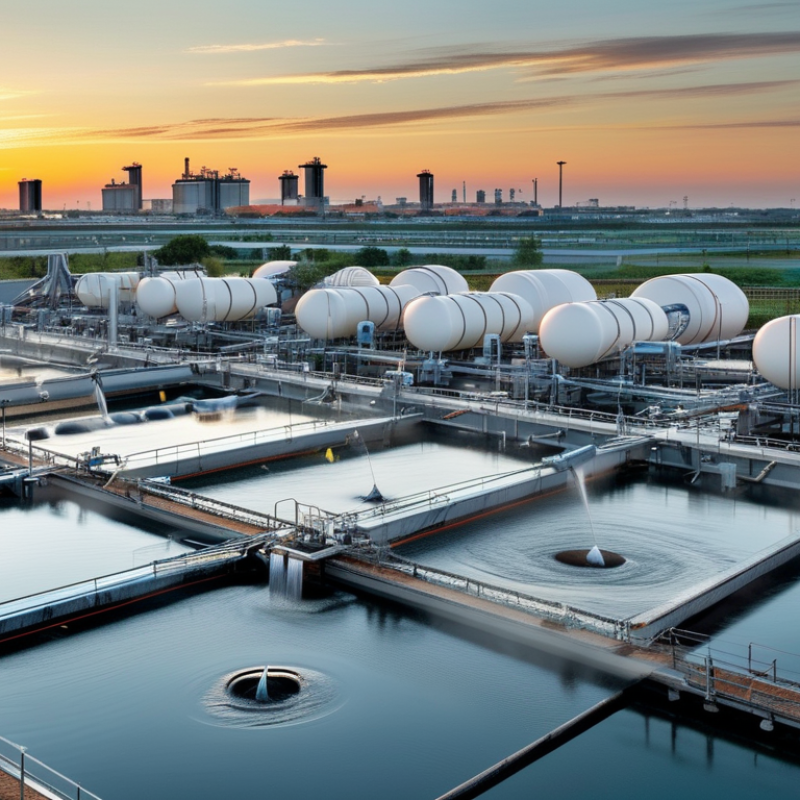
Overview of Poly Dosing Solutions in Water Treatment
Poly dosing solutions play a vital role in modern water treatment processes. These systems are designed to enhance water quality by accurately introducing chemicals, such as coagulants and disinfectants. According to a report by the Water Environment Federation, proper dosing can improve contaminant removal efficiency by up to 30%. As municipalities struggle to meet stricter water quality regulations, the need for effective dosing solutions becomes paramount.
Accuracy is critical in dosing applications. Research indicates that even a slight over or under-dosing can lead to inefficiencies and increased operational costs. The American Water Works Association highlights that improper dosing may increase chemical usage by as much as 15%. This not only strains budgets but can also compromise water safety. The industry's ongoing quest for optimization underscores the pressing need for advancements in dosing technologies.
Moreover, many facilities face challenges in maintaining consistency. Seasonal variations in water chemistry can affect dosing performance. A significant number of water treatment plants report issues with manual dosing methods. This reliance can lead to human error, which may diminish treatment quality. Therefore, investing in automated dosing systems could be a crucial step for operators aiming to enhance reliability and efficiency in their processes.
Key Benefits of Using Poly Dosing in Water Treatment Processes
Poly dosing is gaining traction in water treatment. Its benefits are substantial. This method ensures consistent chemical application, leading to enhanced water quality. Many facilities struggle with traditional dosing methods. Inconsistent chemical delivery can result in water quality issues. Poly dosing offers a solution to this problem.
One key advantage is precision. Accurate dosing prevents overdosing or underdosing. This precision can reduce chemical costs significantly. Moreover, it limits the risk of regulatory violations. Compliance is crucial in water treatment. Facilities that use poly dosing often report fewer compliance issues. The method is also environmentally friendly. Reduced chemical usage means less waste and a lower environmental impact.
However, adopting poly dosing isn't without challenges. Some facilities may face initial setup costs. Training staff to operate new systems requires time and resources. There's a learning curve involved. Ensuring that everyone is on board can be difficult. Despite these hurdles, the long-term benefits of poly dosing in water treatment typically outweigh the challenges. The key lies in understanding both the benefits and the potential obstacles. This reflection is essential for successful implementation.
Types of Poly Dosing Equipment and Their Applications
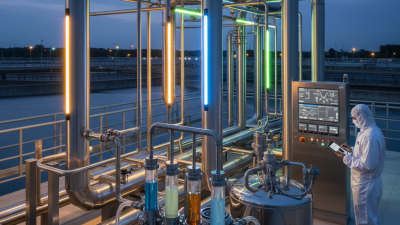
Poly dosing equipment is essential for effective water treatment. These systems help manage and control the delivery of polyelectrolytes, which are crucial in processes like flocculation and coagulation. Various types of poly dosing equipment exist, each designed for specific applications.
One common type is the static mixer. Static mixers ensure uniform mixing of chemicals into the water stream. They have no moving parts, making them reliable and low-maintenance.
Another popular option is the positive displacement pump. This type delivers precise dosing of chemicals and works well under varying pressure conditions. However, users must check for wear over time, as this can affect dosing accuracy.
Beyond these, there's also the use of batch dosing systems. These systems can efficiently handle large volumes of poly, but they require careful monitoring. Proper calibration is necessary to achieve desired treatment results.
Users often find that while these systems deliver great performance, they can also face challenges such as chemical compatibility and system maintenance. Implementing a thorough training program can improve understanding and effectiveness in various water treatment scenarios.
Factors Influencing the Effectiveness of Poly Dosing Solutions
Poly dosing solutions are crucial in water treatment processes. Various factors significantly influence their effectiveness. Understanding these factors can lead to better water quality management.
The concentration of the poly dosing solution plays a key role. An optimal concentration ensures maximum efficacy. Industry reports suggest that a concentration range of 1-5% is effective for many applications. Monitoring this concentration throughout the treatment process is vital. Variations can lead to suboptimal results, affecting water quality and safety.
Another influential factor is the mixing technique used during dosing. Efficient mixing enhances the dispersion of poly solutions in water. Reports indicate that insufficient mixing can waste chemicals and lead to uneven treatment. Additionally, environmental conditions such as temperature and pH level interact differently with various poly solutions. These conditions can alter the chemical reaction rates, highlighting the need for regular monitoring and adjustments. Understanding these nuances supports more effective and reliable water treatment practices.
Future Trends in Poly Dosing Technologies for Water Treatment
As the demand for efficient water treatment solutions continues to grow, advancements in poly dosing technologies are becoming increasingly important. These solutions offer a reliable method for maintaining water quality. Future trends suggest that automation will play a bigger role. Automated dosing systems can be tailored to monitor water quality in real-time, adjusting chemical application rates as needed. This technology can increase efficiency and reduce human error.
Another significant trend is the integration of data analytics with dosing systems. Analyzing historical data allows for better predictions of chemical needs. This shift toward data-driven decision-making can enhance the effectiveness of water treatment processes. However, there are challenges to consider, such as the need for skilled personnel to interpret data. The balance between technological reliance and human expertise may require careful thought.
Sustainability is also a key focus for future poly dosing solutions. Manufacturers are exploring biodegradable polymers and eco-friendly alternatives. These innovations can minimize environmental impact while still delivering effective treatment. However, scaling such solutions to meet industry standards remains a hurdle. The journey toward environmentally friendly water treatment requires ongoing evaluation and refinement, highlighting a clear need for collaboration among stakeholders.
2026 Best Poly Dosing Solutions for Effective Water Treatment
This chart displays the efficacy ratings of various poly dosing solutions for water treatment in 2026. Each solution is rated out of 10 based on effectiveness, showcasing the advancements in technology aimed at improving water treatment processes.