What is Poly Dosing in Water Treatment Benefits and Applications?
Poly Dosing in Water Treatment is gaining attention for its efficiency and versatility. Recent industry reports indicate that over 30% of water treatment facilities have adopted this technology. It simplifies the chemical dosing processes, ensuring optimal water quality while reducing operational costs. The integration of automated systems enhances precision, minimizing human error.
Dr. Emily Thompson, an expert in water treatment processes, states, "Poly dosing significantly improves treatment consistency, which is crucial for safeguarding public health." This technology allows for the precise management of various chemicals, ensuring safety and compliance with environmental regulations. However, the initial setup costs can be a barrier for smaller facilities.
Despite these challenges, the benefits of Poly Dosing in Water Treatment are evident. Facilities adopting this method report a 20% reduction in chemical usage, contributing to sustainability efforts. Yet, the industry must remain vigilant. Continuous training and updates are needed to keep pace with technological advancements. The journey towards widespread implementation is ongoing, emphasizing the importance of collaboration and knowledge-sharing in the sector.
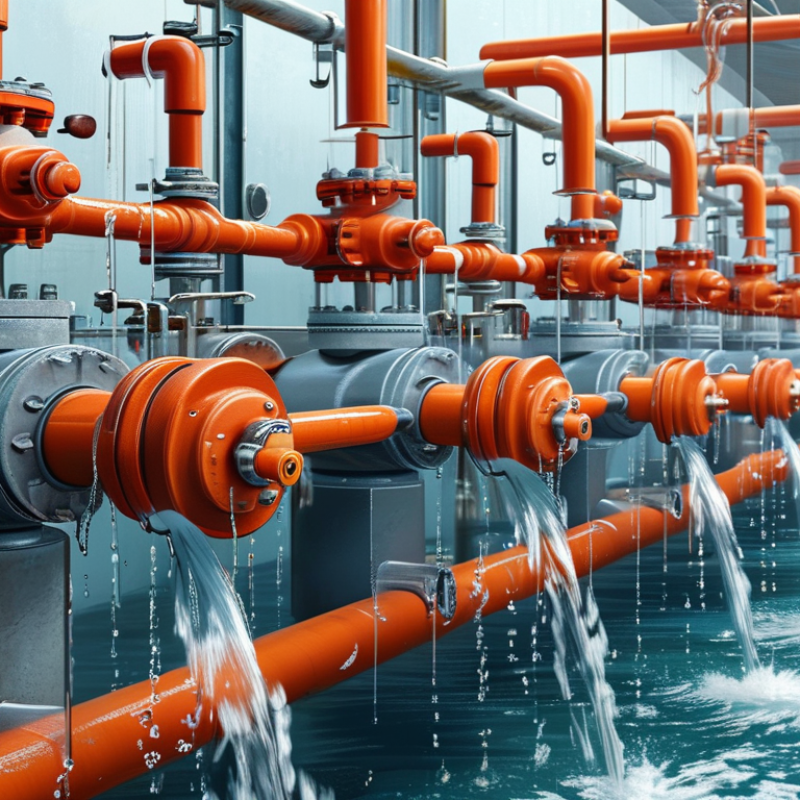
Definition of Poly Dosing in Water Treatment
Poly dosing in water treatment refers to the precise addition of polymers into water systems. These polymers play a vital role in enhancing water clarity and improving the effectiveness of various treatment processes. According to the Water Environment Federation, the use of polymers can improve sedimentation rates by over 30%. This enhancement is crucial in municipal wastewater treatment and industrial applications.
The application of poly dosing is not without its challenges. The choice of polymer type can significantly influence the results. For instance, cationic and anionic polymers have different efficiencies based on specific water chemistry. A study published in the Journal of Environmental Engineering emphasized that the failure to select the appropriate polymer type can lead to suboptimal treatment outcomes. This highlights the importance of careful evaluation before implementation.
Moreover, operators should continuously monitor polymer effects on overall treatment systems. Inconsistent performance may arise from fluctuations in water quality or polymer dosage. The effectiveness of poly dosing often requires a commitment to ongoing optimization and adjustments. By addressing these issues, facilities can maximize the benefits of poly dosing, leading to cleaner water and more efficient processes.
What is Poly Dosing in Water Treatment Benefits and Applications?
| Parameter |
Description |
Benefits |
Applications |
| Poly Dosing |
The process of adding multiple chemical treatments simultaneously to water. |
Improved efficiency, cost-effective, enhanced treatment quality. |
Municipal water treatment, industrial wastewater management. |
| Chemical Types |
Coagulants, flocculants, disinfectants, and pH adjusters. |
Customization of treatment based on water source quality. |
Drinking water purification, swimming pools, agricultural irrigation. |
| Automation |
Integration of dosing systems with digital monitoring. |
Consistent dosing accuracy, reduced labor costs. |
Smart water treatment facilities, remote management systems. |
| Environmental Impact |
Reduction in chemical usage and waste generation. |
Supporting sustainability efforts, lower ecological footprint. |
Eco-friendly water treatment initiatives, recycling projects. |
Advantages of Poly Dosing Systems
Poly dosing systems are essential in modern water treatment. They allow for precise control of chemical dosing, enhancing treatment efficiency. By automating the process, these systems minimize human error and improve safety. The accuracy of poly dosing can lead to reduced chemical usage, saving costs and protecting the environment.
One key advantage is the ability to adjust dosing based on real-time water quality data. This means that treatment can be tailored to varying conditions. If the water quality changes, the system can respond quickly. This flexibility is crucial for maintaining optimal water quality.
However, implementing poly dosing systems can be complex. They require careful monitoring and maintenance. Operators need training to manage the technology effectively. There may be a learning curve that can create initial challenges. Balancing high-tech solutions with operational reliability is essential for maximizing the benefits of these systems.
Common Applications of Poly Dosing in Water Treatment
Poly dosing has become a prevalent technique in modern water treatment facilities. It involves the precise and automated addition of multiple chemicals to effectively manage water quality. This method ensures that water treatment processes are optimized for contaminants removal, corrosion control, and overall system efficiency.
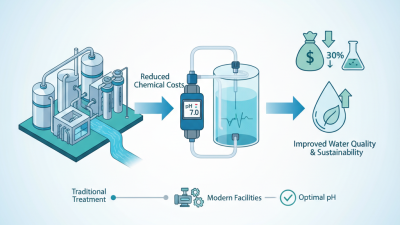
Common applications of poly dosing include municipal drinking water systems and industrial wastewater treatment. For example, according to the Water Environment Federation, poly dosing systems can improve flocculation by nearly 40%, enhancing the removal of solids from water. Similarly, in large-scale industries, the use of poly dosing minimizes chemical waste and improves operational costs, sometimes resulting in savings of up to 30%.
Tips: Regularly monitor the efficacy of your poly dosing system. Adjust chemical dosages according to real-time data. This helps in enhancing performance and reducing environmental impact. Always train staff on the latest techniques to ensure optimal chemical balance. Be mindful of the potential challenges, like equipment malfunction or inconsistent chemical quality, which can impact treatment outcomes.
Poly Dosing in Water Treatment: Benefits and Applications
Comparison with Traditional Water Treatment Methods
Poly dosing in water treatment represents a significant evolution in how we manage water quality. This method combines various chemicals into a single dosing system. As a result, it simplifies the treatment process. In contrast, traditional methods often rely on multiple steps and separate dosages of several chemicals. This can be time-consuming and cumbersome.
Traditional water treatment often requires careful monitoring and adjustment of each chemical input. This meticulous process increases the risk of human error and can lead to inconsistencies in water quality. Poly dosing minimizes these risks by automating the process. It achieves a more consistent chemical mix, ensuring optimal water treatment. Additionally, this method can reduce labor costs and improve efficiency in treatment plants.
However, implementing poly dosing is not without challenges. Training personnel to manage this new system effectively is essential. Transitioning from traditional methods to poly dosing may encounter resistance from operators accustomed to conventional processes. These factors necessitate careful planning and a gradual transition to ensure the benefits of this innovative approach are fully realized.
Future Trends and Innovations in Poly Dosing Technology
Poly dosing technology is rapidly evolving within the water treatment industry. Innovations are emerging that enhance efficiency and accuracy in chemical dosing. According to a report by the Water Research Foundation, the integration of advanced sensors and automation in poly dosing systems can increase dosing accuracy by up to 25%. This leads to better water quality and reduced chemical waste.
The trend toward smart water management is evident as municipalities adopt IoT-enabled poly dosing systems. These systems allow real-time monitoring and adjustments based on water quality data. A study from the International Journal of Water Treatment highlights that nearly 70% of water treatment facilities are exploring or implementing smart dosing technologies. This shift reflects a growing awareness of sustainability. However, challenges persist. Aging infrastructure and data integration remain hurdles for seamless implementation.
New materials and formulations are also on the horizon. Innovations in polymer chemistry promise more effective and safer dosing agents. A recent analysis by the American Water Works Association pointed out that developing biodegradable polymers could revolutionize the industry. The concepts are promising but require thorough assessment. Stakeholders must weigh the benefits against potential environmental impacts. Overall, the future of poly dosing technology looks bright, yet it comes with complexities that demand careful attention.