How to Choose the Right Dewatering Press for Your Needs?
Selecting the right dewatering press is crucial for efficient waste management. A dewatering press can reduce the volume of sludge. According to the Environmental Protection Agency, effective dewatering can save up to 50% on disposal costs. Understanding your specific needs helps in making an informed choice.
Dewatering presses come in various types and sizes. They cater to different industrial applications, from food processing to municipal wastewater treatment. A recent market report highlights that the dewatering equipment market is expected to grow at a CAGR of 5.6% through 2028. This growth underscores the increasing demand for efficient waste processing solutions.
When choosing a dewatering press, consider your sludge characteristics and volume. Each application requires specific equipment features. It's not just about capacity; energy efficiency is equally important. Many users overlook maintenance requirements, which can impact performance. This reflection is essential for long-term operation and cost-effectiveness.
Understanding Dewatering Press: Definition and Functionality
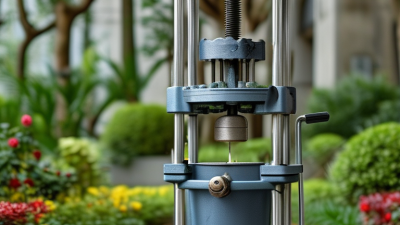
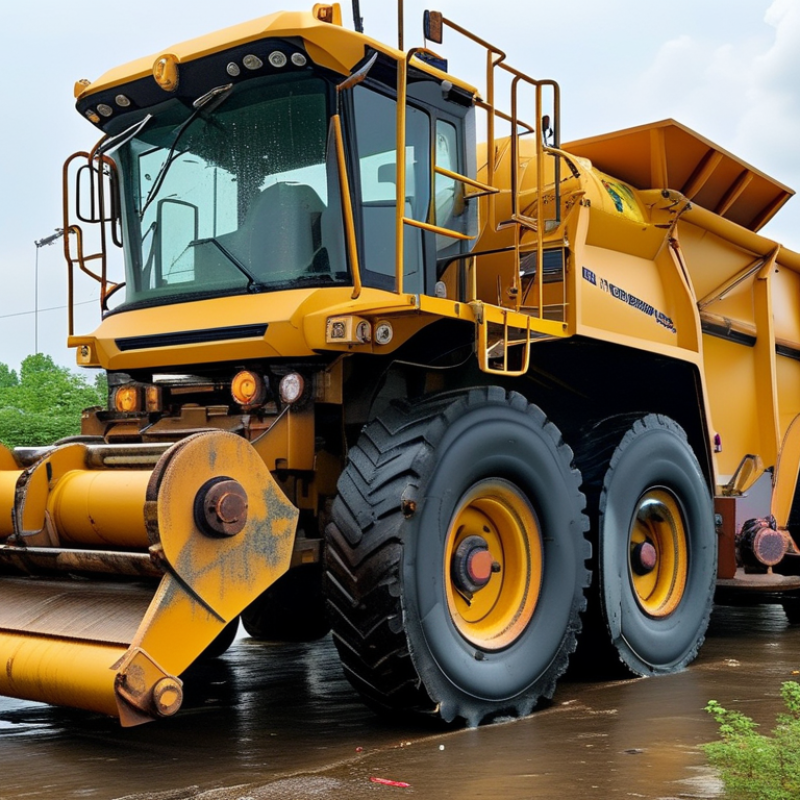
A dewatering press is essential for a variety of industries. Its primary role is to separate liquid from solid materials. This process reduces waste volume and improves efficiency. In wastewater treatment plants, dewatering presses play a crucial role in handling sludges. The technology helps in recycling water and reducing disposal costs.
Understanding the functionality of a dewatering press is important. It utilizes pressure, gravity, or vacuum to aid separation. The quality of the output solids often depends on specific design features. For example, the size of the press and the type of filter media can greatly affect efficiency. Sometimes, operators may not achieve the desired dryness of the cake. This scenario calls for re-evaluation and adjustments.
Choosing the right dewatering press means recognizing your specific needs. Factors such as feed composition, required dryness, and flow rate are vital. Many users underestimate the complexity of these machines. Seeking expert advice can help clarify confusion. Investing time in understanding operational guidelines can greatly enhance performance. Always examine updates in technology, as they can provide improved solutions.
Key Factors to Consider When Choosing a Dewatering Press
Choosing the right dewatering press can significantly impact your operational efficiency. One key factor to consider is the size of the press. It must match the volume of materials you handle. A press that is too small can lead to bottlenecks, while an oversized unit may waste energy and space.
Another important aspect is the type of material being processed. Different materials require varying dewatering techniques. For instance, sludge dewatering differs from food waste treatment. Understanding the characteristics of your materials will guide you toward the right technology.
It's also essential to evaluate your budget and maintenance costs. Initial investment is crucial, but ongoing costs can affect profitability. A less expensive option may have higher maintenance needs, leading to future expenses. Balancing these factors is essential for sustainable operations. Reflect on your priorities, as they will shape the final choice.
Types of Dewatering Presses and Their Applications
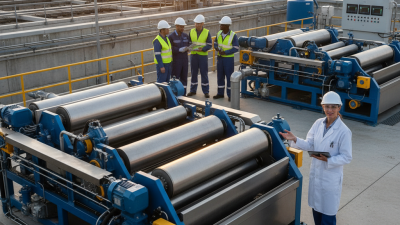
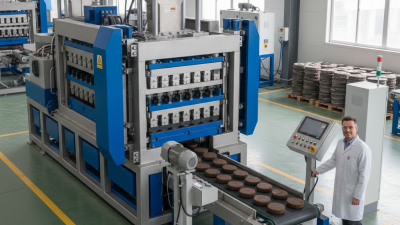
When considering the right dewatering press, understanding the types available is essential. Various models suit different applications, ranging from municipal waste treatment to food processing. Screw presses, for instance, are ideal for high dry solids content. They effectively handle difficult materials and require minimal maintenance. Belt presses work well for sludge dewatering, producing comparatively lower solid cakes. Their efficiency often depends on the nature of the material processed.
A common hurdle is selecting the optimal press for specific needs. One key aspect is to assess the solid-liquid separation required. Some presses might not handle all materials seamlessly. Hence, testing samples can reveal the best fit. Another consideration is the space available. Larger systems may not be feasible in smaller facilities.
When choosing, evaluate the entire workflow process. Understand how the dewatering press interacts with other equipment. Familiarizing yourself with energy consumption is vital for budgeting. Regular maintenance can also extend the lifespan of the dewatering press. Always read industry reviews for insights. They help in understanding the operational challenges faced by other users.
Evaluating the Efficiency and Capacity of Dewatering Presses
Choosing the right dewatering press involves understanding its efficiency and capacity. Efficiency in a dewatering press refers to how effectively it removes water from sludge or other materials. A model with high efficiency can handle a large volume of material without frequent downtime. This feature is essential for operations that need to process considerable amounts of waste quickly. When assessing efficiency, look for metrics like specific cake solids and throughput rates. These indicators can provide insight into how well the press performs in real-world scenarios.
Capacity is equally critical. It defines the maximum amount of material a dewatering press can handle. Selecting a unit with inadequate capacity can lead to bottlenecks. Conversely, an oversized press can be an unnecessary investment. A thorough evaluation of your project’s scale and the expected volume of materials is crucial. It’s helpful to compare various models based on capacity and efficiency, but also to consider long-term maintenance needs. Knowing how often parts might need replacing can affect your decision. Many companies face challenges in finding the perfect balance between size and capability, which often leads to reevaluating their initial choices.
Maintenance and Support for Your Dewatering Press Selection
Proper maintenance of your dewatering press is crucial for optimal performance. According to a recent industry report, over 30% of equipment failures are linked to inadequate upkeep. Regular inspections can extend the life of your equipment by 25%. Key maintenance activities include checking seals, monitoring hydraulic pressures, and ensuring proper lubrication. These practices not only enhance efficiency but also reduce downtime.
Support is another important aspect of dewatering press selection. Many users underestimate the value of technical support. A survey by the American Society of Mechanical Engineers highlights that 45% of operators who received timely support reported improved operational effectiveness. Access to knowledgeable technicians can make a significant difference. They can provide insights into troubleshooting and optimizing performance.
In addition, consider the availability of spare parts. Companies that focus on quick delivery of parts can minimize disruptions. According to an equipment lifecycle report, minimizing downtime can save companies up to 20% in operational costs. Integrating maintenance schedules with support services can greatly improve reliability. Remember, even the best equipment requires a proactive approach to maintenance and support.