What is Dispersed Air Flotation and How Does It Work?
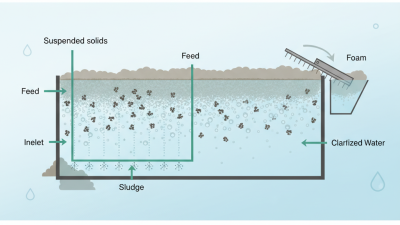
Dispersed Air Flotation (DAF) is an innovative technology used in wastewater treatment. It involves the creation of tiny air bubbles that attach to particles in water. This process helps to separate suspended solids and oils, making it an effective method for purifying water.
In practice, DAF systems can vary in design and application. Many industries utilize this method to enhance water quality. The ability to adapt to different conditions makes it a popular choice. However, understanding the underlying mechanisms of Dispersed Air Flotation can be complex. Users must carefully assess their specific needs to implement the technology effectively.
Yet, despite its advantages, challenges remain. Operators must monitor system performance closely. Inefficiencies in bubble generation can lead to lower separation rates. Regular maintenance and adjustments are vital to achieving optimal results. Therefore, while Dispersed Air Flotation offers significant benefits, it also necessitates a commitment to ongoing scrutiny and improvement.
What is Dispersed Air Flotation?
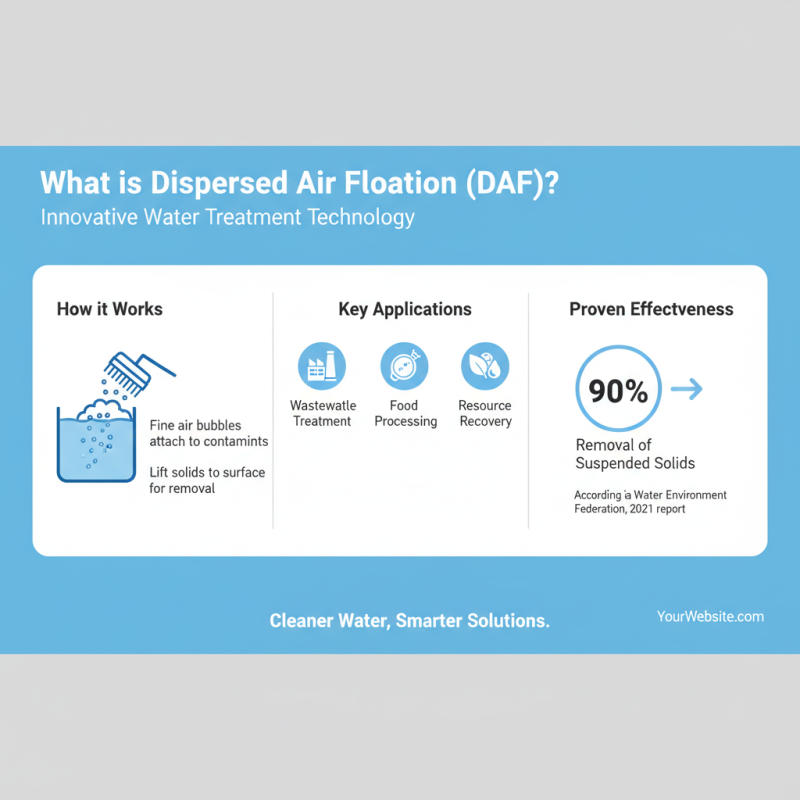
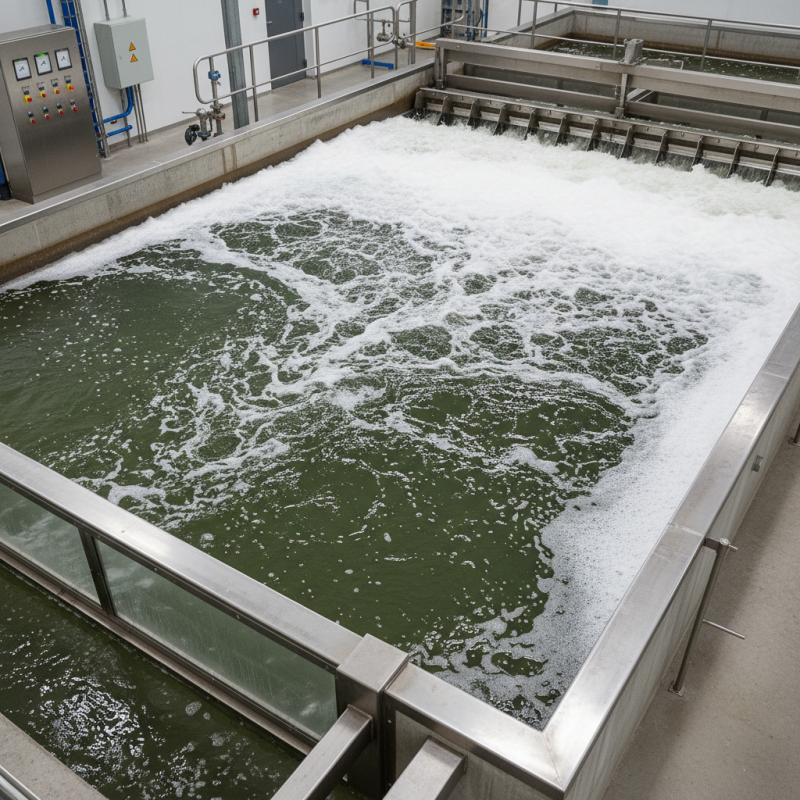
Dispersed Air Flotation (DAF) is an innovative water treatment technology. It employs fine air bubbles to separate contaminants. This process is increasingly used in various industries, such as wastewater management and food processing. According to a 2021 report from the Water Environment Federation, DAF systems can remove 90% of suspended solids in many applications.
The operation of DAF involves introducing air into the wastewater. The tiny bubbles adhere to suspended particles, causing them to rise to the surface. This separation process is efficient and gentle. However, it can face challenges, such as varying characteristics of wastewater, which affect performance. Achieving optimal air bubble size is crucial. Studies indicate that bubble sizes between 20 and 50 micrometers enhance removal rates.
Despite its advantages, DAF also has limitations. The technology requires constant monitoring for effective operation. Changes in influent quality can lead to variable performance. This unpredictability underscores the need for regular maintenance. As the industry evolves, advancements in DAF systems continue to improve reliability and efficiency. The potential for higher removal rates presents opportunities for sectors aiming to enhance their sustainability practices.
Principles of Dispersed Air Flotation Technology
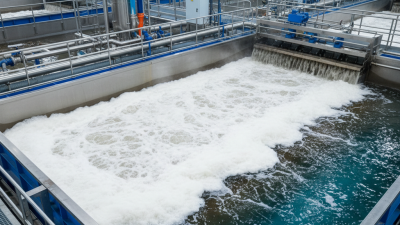
Dispersed Air Flotation (DAF) is an innovative water treatment technology. It effectively separates suspended solids, oils, and grease from wastewater. The principle of DAF is simple yet effective: tiny air bubbles are introduced into the water. These bubbles attach to contaminants, making them buoyant. The resulting aggregates then rise to the surface, forming a flotable sludge that can be removed easily.
Recent studies show that DAF systems can achieve over 95% removal efficiency for fats, oils, and greases. According to the Water Environment Federation, DAF units are rapidly gaining recognition in industries like food processing and petrochemicals. They not only optimize water quality but also reduce sludge volume significantly. However, efficiency can be inconsistent based on water quality and operational parameters.
Implementing DAF technology requires careful consideration. Factors like air bubble size and the hydraulic retention time must be optimized. An imbalance can lead to lower performance, potentially affecting the entire treatment process. Therefore, continuous monitoring and adjustment are key. Industry reports indicate that the design must be tailored to specific applications for maximum efficacy. This poses a challenge, as one-size-fits-all solutions rarely work in practice.
Key Components of Dispersed Air Flotation Systems
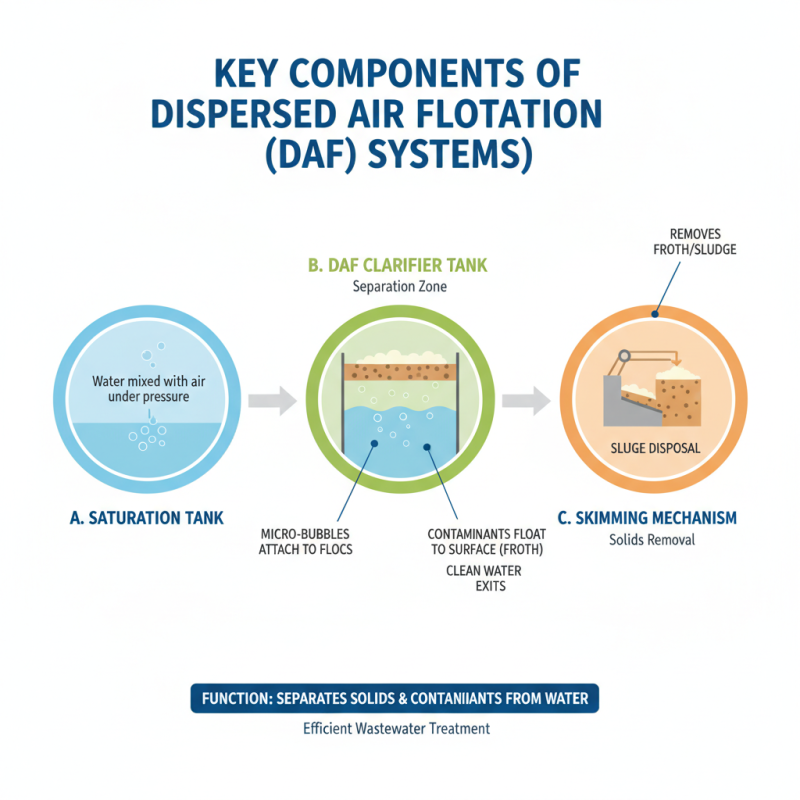
Dispersed Air Flotation (DAF) systems are innovative tools used in wastewater treatment. They utilize tiny air bubbles to separate solids and contaminants from water. Understanding the key components of these systems is crucial for effective operation.
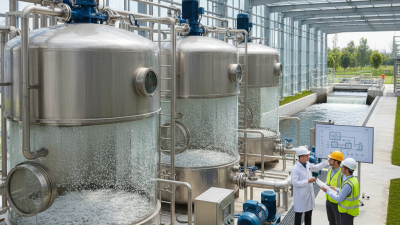
One important component is the air saturator. This device pumps air into water at high pressure, creating microscopic bubbles. When this water is released into the flotation tank, the pressure drops. The bubbles expand and rise, attaching to suspended particles. This process helps in separating solids from the water. Additionally, the skimmer plays a vital role. It collects the floated solids from the surface and directs them for further treatment or disposal.
Another critical aspect is the flotation tank design. The tank needs to allow sufficient residence time for effective separation. Often, tanks are equipped with baffles to enhance flow and increase efficiency. An inadequately designed tank can lead to poor performance. Operators should remain aware of system limitations and adjust parameters as needed. Regular maintenance ensures all components function correctly. This careful approach can improve overall reliability and performance in treating wastewater.
Applications of Dispersed Air Flotation in Water Treatment
Dispersed Air Flotation (DAF) has gained traction in water treatment applications over recent years. This technology separates suspended solids and oils from water by introducing microbubbles. These bubbles attach to contaminants, causing them to float to the surface for easy removal.
Industry data indicates that DAF systems can achieve a removal efficiency of up to 95% for certain pollutants.
In various sectors, DAF plays a crucial role in treating industrial wastewater. For paper mills, it effectively removes fibers and chemicals. Research shows that implementing DAF can reduce the overall chemical oxygen demand (COD) by 60% or more in this context. Similarly, in food processing, DAF helps eliminate high concentrations of fats and oils, ensuring compliance with discharge regulations.
However, challenges remain. Nutrient removal efficiency can sometimes be inconsistent, particularly in varying wastewater compositions. Operators must carefully monitor and adjust the process parameters to maintain optimal performance. Furthermore, the energy consumption associated with air generation requires scrutiny. These factors emphasize the need for continuous improvement and innovation in DAF technologies.
Advantages and Limitations of Dispersed Air Flotation
Dispersed Air Flotation (DAF) is an effective method for treating wastewater. It removes contaminants and suspended solids through fine air bubbles. While DAF offers several advantages, it also presents some limitations worth considering.
One significant advantage of DAF is its ability to handle varying water qualities. According to industry reports, DAF systems can achieve up to 90% removal efficiency for oil and grease. They operate quickly, making them suitable for facilities with high flow rates. Additionally, DAF systems require less space compared to traditional sedimentation methods. This efficiency makes them cost-effective for many industries.
However, DAF systems are not without drawbacks. They require precise control of chemicals and air volume. Inconsistent operation can lead to poor performance. It’s also essential to monitor the sludge generation process because excessive sludge can complicate disposal. Depending on the source water quality, the operational lifespan of DAF units may vary. This variability means facilities must remain flexible and responsive to changing conditions.
Tip: Regular maintenance and monitoring can enhance system reliability. Another tip is to evaluate incoming water quality frequently. This practice helps adjust the DAF process to ensure optimal performance.
Advantages and Limitations of Dispersed Air Flotation
This bar chart illustrates the various advantages and limitations of Dispersed Air Flotation (DAF) systems. The metrics evaluated are efficiency, cost, maintenance requirements, space requirements, and scalability, showcasing the strengths and weaknesses associated with DAF technology.