10 Essential Tips for Choosing Dispersed Air Flotation Systems?
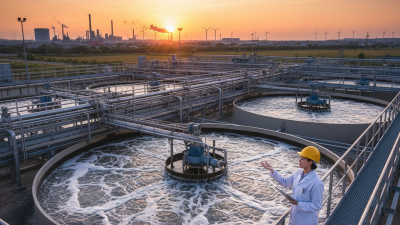
Selecting the right Dispersed Air Flotation system is a critical decision for industries dealing with wastewater treatment. As Dr. Emily Carter, a renowned expert in water treatment technologies, once said, "An effective flotation system can make or break the efficiency of your plant." This highlights the importance of understanding key aspects before making a choice.
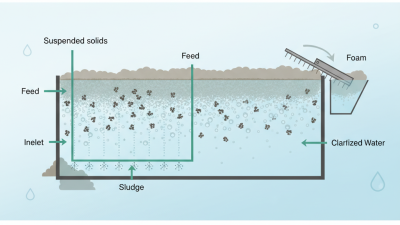
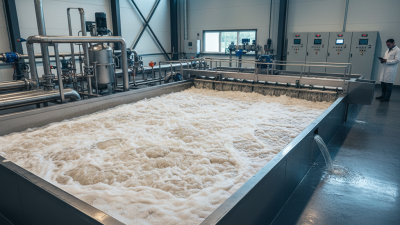
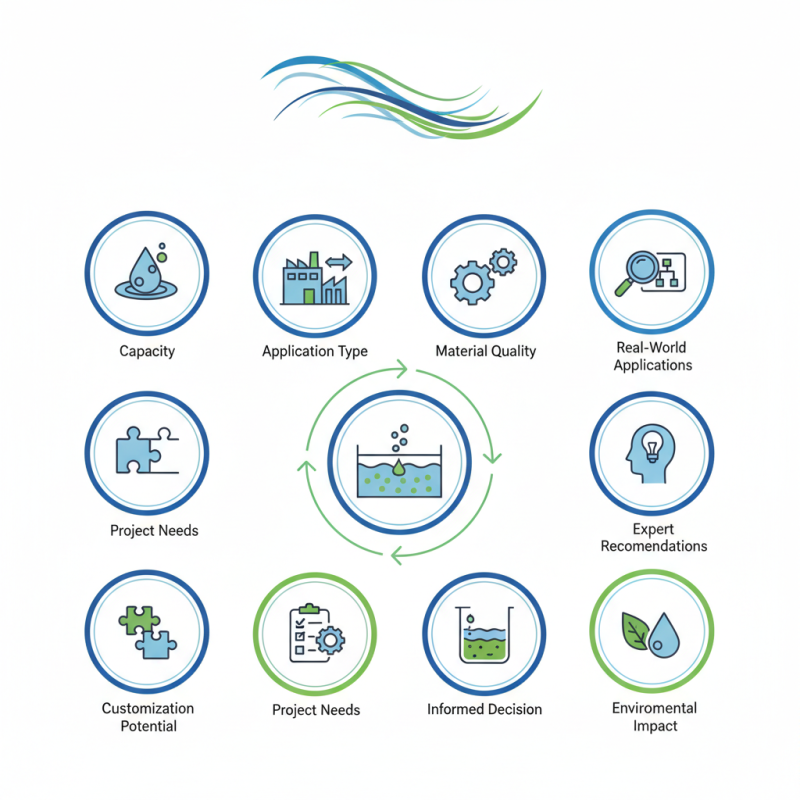
Dispersed Air Flotation systems utilize air bubbles to separate solids and contaminants from water. A well-chosen system can enhance clarity and reduce environmental impacts. Factors to consider include the system's capacity, the type of application, and the quality of materials used in construction. Each detail matters in ensuring optimal performance.
Choosing based on brand alone can be misleading. It's essential to analyze real-world applications and seek expert recommendations. Many overlook the customization potential of these systems. Make sure to evaluate how a system can meet specific project needs. Reflecting on these factors empowers informed decisions in the complex landscape of Dispersed Air Flotation technologies.
Understanding the Basics of Dispersed Air Flotation Systems
Dispersed air flotation systems (DAF) are essential for wastewater treatment.
These systems apply tiny air bubbles to separate contaminants from water. Understanding how they work helps in choosing the right system for your needs.
It's crucial to recognize that not all DAF systems are created equal.
Each system serves different types of wastewater and removal efficiencies.
When selecting a DAF system, consider the type of contaminants you are dealing with.
Light particles respond better to dispersed air flotation. Thick sludge and heavy solids may require additional processing.
Also, the design of the system plays a vital role. Some systems are compact, while others can be more expansive.
This impacts installation space and future scalability.
Another factor to think about is operational efficiency.
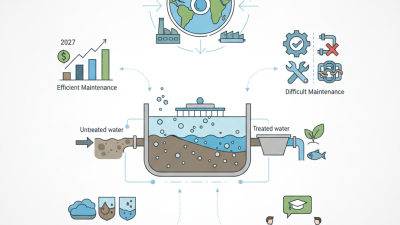
Some systems might need more maintenance and monitoring than others.
Understanding these operational needs is critical. A system that appears perfect on paper could be troublesome in real-world applications.
Conducting thorough market research and consulting with experts can guide better decision-making.
Balancing efficiency with reliability leads to better long-term results in wastewater treatment processes.
Key Considerations for Selecting a Suitable System
When selecting a dispersed air flotation system, various factors come into play. The design should cater to specific needs, affecting overall efficiency. A robust system can enhance removal rates of contaminants. Studies suggest that systems with larger air bubble sizes often yield higher separation efficiencies. This is crucial when treating industrial wastewater, where traditional methods may fall short.
Cost is another critical consideration. Initial investment is significant, but operating costs matter too. According to recent industry reports, maintenance can account for over 30% of total operational costs. This variance can stem from system design and material quality. Neglecting these factors could lead to unexpected downtime and repairs.
Key performance indicators are essential for evaluating system suitability. The right system should not only meet performance criteria but also adapt to fluctuations in influent quality. Research indicates that systems with automated controls can better sustain efficiency amidst variable loads. However, reliance on automation can introduce complexity that requires skilled personnel. Reflecting on these trade-offs highlights the importance of thorough research before commitment.
10 Essential Tips for Choosing Dispersed Air Flotation Systems
| Tip No. |
Consideration |
Description |
| 1 |
System Size |
Determine the appropriate size based on wastewater volume. |
| 2 |
Flotation Mechanism |
Choose between mechanical and hydraulic flotation methods. |
| 3 |
Material Compatibility |
Ensure materials used are compatible with the wastewater type. |
| 4 |
Maintenance Requirements |
Assess ease of maintenance and availability of spare parts. |
| 5 |
Energy Efficiency |
Evaluate energy consumption levels for cost-effectiveness. |
| 6 |
Performance Metrics |
Review performance data and removal efficiencies. |
| 7 |
Regulatory Compliance |
Ensure that the system meets local environmental regulations. |
| 8 |
Installation Flexibility |
Consider the ease of installation in existing infrastructure. |
| 9 |
System Scalability |
Look for options to scale the system as needs grow. |
| 10 |
Cost-Effectiveness |
Analyze upfront costs versus long-term operational savings. |
Evaluating Performance Metrics and Efficiency Levels
When choosing dispersed air flotation systems, evaluating performance metrics is crucial. A recent industry study shows that most systems achieve up to 90% separation efficiency. This level of efficiency is often linked to optimal system design and operational parameters. For example, the contact time between air bubbles and solids can significantly affect performance. Systems with inadequate contact may underperform, leading to increased operational costs.
Operators often overlook energy consumption as a key metric. It accounts for nearly 30% of the total operational costs in wastewater treatment facilities. Systems with lower energy requirements can enhance overall efficiency, spotlighting the importance of comparing energy metrics. Additionally, monitoring sludge production is essential. Excess sludge can indicate inefficiencies in the flotation process. Aim for systems that maintain a low sludge yield while achieving high removal rates.
Real-world scenarios demonstrate variability in performance reports. Some facilities achieve ideal conditions but see inconsistent performance. Others face challenges due to raw material variations. It’s important for operators to continuously evaluate these factors. Regular assessments can reveal potential inefficiencies and areas for improvement. Investing time in understanding these metrics can lead to better operational choices and long-term success.
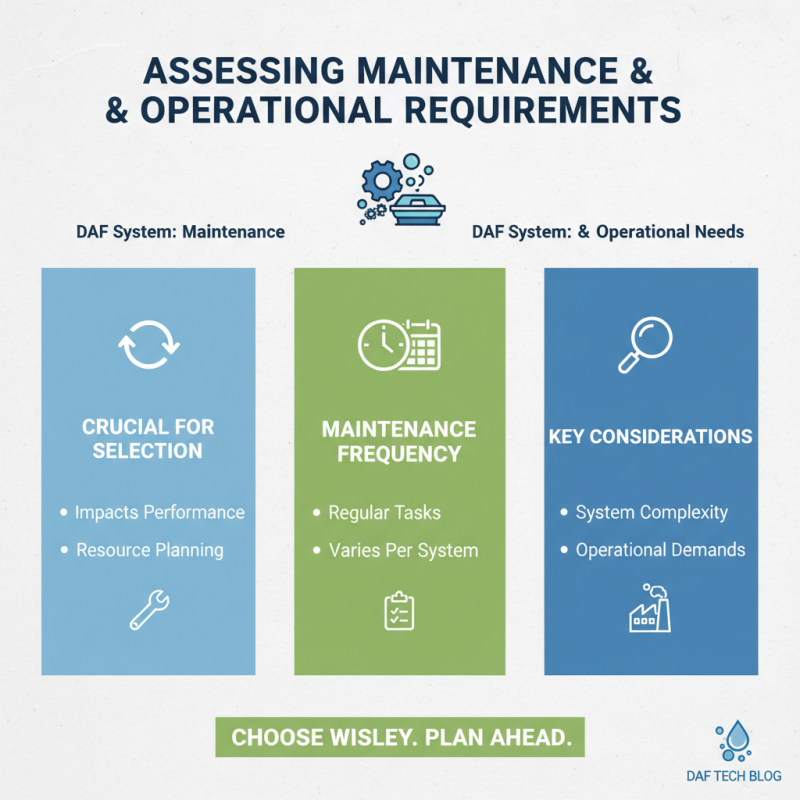
Assessing Maintenance and Operational Requirements
When it comes to choosing dispersed air flotation systems, assessing maintenance and operational requirements is crucial. Regular maintenance can significantly impact performance. Understanding the frequency of maintenance tasks helps in planning resources effectively. Keep in mind that some systems may require more attention than others.
Operational requirements also dictate maintenance expectations. For instance, systems used in harsher environments might need frequent checks. Filters and diffusers can clog quickly, making it essential to monitor them regularly. Educate your staff on identifying early signs of wear and tear. Training plays a vital role in ensuring that operational standards align with maintenance needs.
Reflect on the total costs of ownership, too. Maintenance can add up over time, but neglect can lead to costly repairs. An ideal system balances upfront investment with future maintenance costs. Consider these factors holistically to make an informed decision.
Comparing Costs and Long-term Financial Implications
When considering dispersed air flotation systems, it is crucial to evaluate the costs and long-term financial implications. Cost is not just about the initial investment. It's essential to assess maintenance expenses and energy consumption. Over time, these factors can significantly affect your budget.
Tip: Always calculate the total cost of ownership. Include installation, operational, and maintenance costs. This thorough analysis helps in making informed decisions. Compare different systems on these parameters.
Specific financial implications often emerge from energy efficiency. Systems that require less energy tend to have lower operational costs. Reflect on the environmental impact as well. A more efficient system may have a higher upfront cost, but it can save money in the long run.
Tip: Look into longevity and potential wear and tear. Systems with better materials may cost more initially but last longer. Therefore, they can reduce the frequency of replacements and repairs. Think critically about these factors before making a choice.