10 Essential Tips for Poly Dosing in Water Treatment?
Poly Dosing in Water Treatment is a crucial process that enhances the efficiency of water purification systems. As water treatment demands evolve, understanding the intricacies of chemical dosing becomes essential. The effectiveness of poly dosing greatly influences the overall quality of treated water. It’s not merely about adding chemicals; it is about precision and timing.
In the evolving landscape of water treatment, practitioners face various challenges. Implementing the right dosing strategies requires both experience and knowledge. Awareness of local water source conditions is vital. Moreover, considering the specific needs of each treatment facility can make a significant difference. Mistakes can lead to chemical imbalances, resulting in ineffective treatment.
The art of poly dosing needs constant reflection and adjustment. Aspects like dosing rates, equipment maintenance, and monitoring systems require continuous attention. Each decision impacts the final output. Thus, it’s imperative for professionals to stay informed about best practices in the field. Investing time in mastering poly dosing can improve reliability and trustworthiness in water treatment processes.
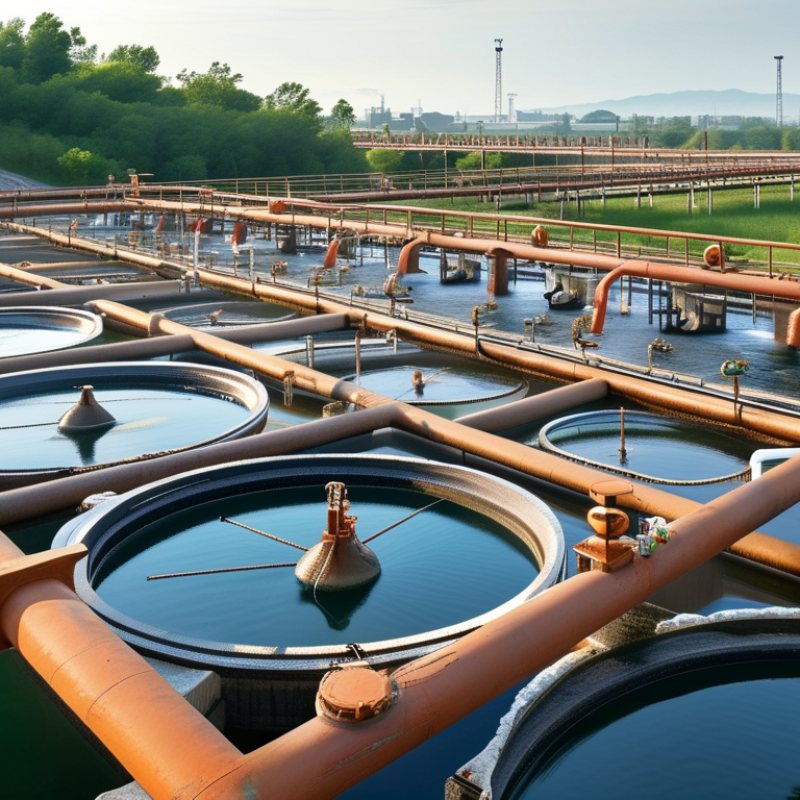
Understanding Poly Dosing: What It Is and Why It Matters
Poly dosing is a critical aspect of water treatment. It involves the addition of polymers to enhance water clarity and quality. Understanding its significance helps ensure effective treatment processes. According to a report by the American Water Works Association, proper dosing can improve coagulation efficiency by up to 30%. This can lead to clearer water and reduced operating costs.
Effective poly dosing requires precision. Aim for the right polymer type and dosage based on water characteristics. An incorrect dose may lead to risks. Too much can cause floc problems, while too little may lead to ineffective treatment. Monitoring dose levels is essential.
Tip: Regularly test the water parameters to adjust the dosing process accordingly. It enhances reliability and efficiency. Another key point is training personnel. Knowledgeable staff can make informed decisions.
Adjusting the dosage in real-time based on water quality can significantly impact treatment efficiency. Always be prepared for variations in conditions. Incorporate feedback mechanisms to strengthen the dosing strategy. It is a constant learning process, and improvements are always possible.
Choosing the Right Polymeric Dosage for Water Quality Goals
When selecting the appropriate polymer dosage for water treatment, understanding the specific water quality goals is vital. Different types of water sources, such as rivers, lakes, and groundwater, carry unique impurities. According to the American Water Works Association, the right dosage can significantly affect treatment efficiency. Too little polymer may result in ineffective coagulation, while excess can lead to cost overruns and potential water quality issues.
Each water treatment facility must consider parameters like turbidity, pH, and specific contaminant types. For instance, studies show that achieving optimal turbidity levels often requires adjusting polymer dosage based on real-time data. A report by the Water Environment Federation indicates that improper dosing can increase sludge volume and disrupt plant operations. Facilities also need to regularly evaluate their polymer selection and performance metrics to avoid potential pitfalls.
Monitoring and feedback loops are essential for refining dosage strategies. Many facilities often overlook the training of staff in polymer handling and adjustment. This can lead to inconsistent results. By focusing on continuous improvement and adapting to changing water quality conditions, treatment plants can make informed decisions about polymer dosing.
Factors Influencing Poly Dosing: Temperature, pH, and More
Poly dosing in water treatment is influenced by several key factors, primarily temperature and pH levels. The effectiveness of poly dosing is directly affected by the temperature of the water. Studies show that higher temperatures can enhance the solubility of polyacrylamides, which leads to improved performance. A report by the American Water Works Association indicates that an optimal dosing range exists between 15°C to 25°C for most applications.
pH levels also play a critical role in the polymer's performance. Polymers can become less effective outside the pH range of 6 to 8. At extremes, non-ionic polymers may not function adequately, resulting in reduced coagulation rates. According to a study published in the Journal of Water Supply Research and Technology, adjusting pH levels prior to dosing can significantly enhance treatment efficacy.
Other factors, such as the presence of dissolved solids and turbidity, add another layer of complexity. Water with high turbidity may require increased dosages to achieve the desired clarity. Seasonal variations can exacerbate these issues. Water treatment professionals must continually assess and adjust dosing strategies. This constant reevaluation highlights the need for flexible and situationally aware dosing protocols in the field. A single oversight in parameters can lead to inefficient treatment processes, necessitating a deeper understanding of the specific conditions encountered.
Best Practices for Accurate Measurement and Application of Polymers
When it comes to polymer dosing in water treatment, precision is key. Accurate measurement is crucial for ensuring the effectiveness of the treatment process. Using calibrated equipment helps reduce the risk of dosage errors. Regular maintenance of measuring devices ensures they function accurately. Operators should be trained to handle these instruments properly to avoid mistakes in the field.
Incorporating the right mixing techniques can also enhance the application of polymers. Proper mixing ensures an even distribution of the polymer in the water. It's essential to monitor the mixing time to prevent polymer degradation. Frequent checks on the gel formation can reveal potential issues. Adjusting the dosing rates based on water conditions is a practice that requires experience and diligence.
Finally, keep detailed records of dosing amounts and water quality parameters. Analyzing this data helps in fine-tuning the dosing process over time. This reflection can lead to improved precision and better treatment outcomes. Mistakes should be documented. Learning from them is part of developing effective practices in polymer management.
10 Essential Tips for Poly Dosing in Water Treatment
| Tip No. |
Tip Description |
Importance |
| 1 |
Calculate accurate dosages based on water quality |
Ensures optimal treatment efficiency |
| 2 |
Regularly calibrate dosing equipment |
Maintains accuracy in measurements |
| 3 |
Monitor changes in water composition |
Allows for timely adjustments in dosage |
| 4 |
Conduct regular training for operators |
Enhances operational efficiency and safety |
| 5 |
Use appropriate polymer type for specific applications |
Maximizes treatment effectiveness |
| 6 |
Document all dosing records |
Facilitates tracking and improvement |
| 7 |
Assess polymer efficacy regularly |
Ensures continued performance in treatment |
| 8 |
Utilize automated dosing systems when possible |
Improves precision and reduces human error |
| 9 |
Keep a routine maintenance schedule for all equipment |
Prevents system failures and downtime |
| 10 |
Consult with experts when needed |
Ensures best practices are being followed |
Monitoring and Adjusting Poly Dosing: Ensuring Optimal Performance
Effective monitoring and adjusting of poly dosing in water treatment is crucial for optimal performance. Accurate measurements ensure the right amount of polyacrylamide is used. Studies suggest that incorrect dosing can lead to inefficient flocculation. This inefficiency may increase the concentration of suspended solids, which hampers water clarity and quality. A 2021 report by the Water Quality Association indicates that poorly managed dosing can result in treatment costs surging by up to 30%.
Regular monitoring is essential to maintain the balance between poly dosing and water quality. Operators should utilize real-time data to accurately gauge the polymer’s effectiveness. Adjustments based on water characteristics such as turbidity, pH, and flow rates can significantly impact performance. According to research from the American Water Works Association, a consistent review of dosing strategies can lead to improved performance by 25%. However, operators often overlook seasonal variations that may require recalibration of dosing systems.
The human element in monitoring should not be underestimated. Training and experience significantly influence decision-making processes. Mistakes during dosing adjustments can lead to treatment issues. Some operators rely heavily on automation, which may not account for sudden changes in water quality. A balance between technology and skilled oversight is essential to achieve the best results. This refined approach fosters a more reliable and effective water treatment process.