What Are the Top Lamella Clarifier Types in 2026?
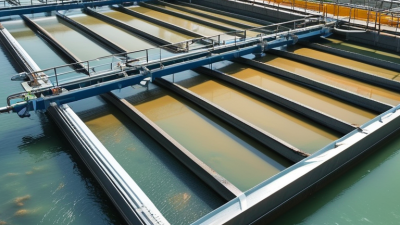
Choosing among the top Lamella Clarifier types in 2026 starts with the water, not the catalog. These compact systems use inclined plates or tubes to help suspended solids settle within a smaller footprint than many conventional clarification tanks. The keyword “Lamella Charifier” is sometimes used in searches, but the standard engineering term is “lamella clarifier.” Small spelling detail. It matters when comparing technical documents.
This guide compares common designs, including plate settlers, tube settlers, and packaged units configured for different flow and solids conditions. It considers practical factors such as hydraulic capacity, particle characteristics, sludge removal, access for cleaning, and construction materials. A unit sized only by its stated flow rate may perform poorly if solids loading or feed conditions change. That is easy to overlook. There is no single best type for every site.
Readers will find selection points that engineers and plant operators can verify against project data, supplier drawings, and applicable design criteria. For example, a narrow installation space may favor a compact package, while abrasive or sticky solids may make maintenance access especially important. Actual performance depends on pretreatment, operating conditions, and correct installation. The comparison is a starting point, not a substitute for a site-specific assessment. Some choices remain uncertain until representative water tests and reliable operating data are available.
Lamella Plate Clarifiers: Typical 55–60° Inclination and 50–100 mm Plate Spacing
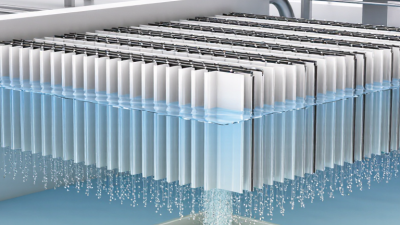
Lamella plate clarifiers use inclined plates to increase effective settling area within a compact tank. A common design range is 55–60° inclination, with 50–100 mm between plates. These ranges appear in established wastewater engineering references, including Metcalf & Eddy’s Wastewater Engineering, 5th edition, and WEF’s Design of Municipal Wastewater Treatment Plants, 5th edition. Small gaps matter. They influence flow distribution, solids buildup, and access for cleaning.
At 55–60°, settled particles slide down the plates toward the sludge zone while clarified water rises through the channels. Spacing near 50 mm can provide more settling surface per tank footprint, but leaves less room for cleaning and may clog more readily with fibrous or sticky solids. Wider spacing can ease maintenance, though it reduces the available plate area. Neither range works equally well for every feed.
Design checks should include flow rate, suspended-solids concentration, particle characteristics, and peak-flow conditions—not plate geometry alone. The U.S. EPA’s wastewater treatment guidance emphasizes matching treatment performance to influent and operating conditions; pilot testing can help confirm a proposed arrangement. Field observations matter, too: uneven sludge withdrawal or poorly distributed inlet flow can undermine a carefully selected plate angle. It is easy to over-trust the drawing.
Lamella Plate Clarifiers: Typical Inclination and Plate Spacing
Typical reference ranges: plate inclination of 55–60° and plate spacing of 50–100 mm.
The chart shows the lower and upper ends of each typical range. Actual design values depend on the wastewater characteristics, solids loading, and clarifier configuration.
Tube Settlers: Modular Inclined Channels for Expanded Settling Area
Tube settlers are modular banks of narrow, inclined channels fitted above a clarifier’s sludge zone. Water rises through the channels while heavier particles slide down their surfaces. The added projected settling area can support greater flow within an existing basin footprint.
That matters.
The U.S. EPA’s 2023 Drinking Water Infrastructure Needs Survey and Assessment estimated $625 billion in drinking-water infrastructure needs over 20 years. For utilities weighing upgrades, compact retrofits deserve attention.
Performance depends on more than module count. Channel spacing, inclination, inlet distribution, and solids loading all affect whether particles settle or escape with the effluent. AWWA’s 2024 State of the Water Industry report identifies aging infrastructure as a persistent sector concern, but a tube-settler retrofit is not automatically the right fix. Check peak-flow data, sludge withdrawal, and access for cleaning before specifying modules.
Not magic.
Poor flow distribution can leave some channels overloaded while others do little. One practical detail: inspect the underside and support frame, where trapped solids may be easy to miss. Design calculations help, but field hydraulics can still surprise.
Cross-Flow vs. Counter-Current Units: Compare Flow Paths and Solids Capture
Lamella clarifiers use closely spaced, inclined plates to shorten the distance suspended solids must settle. In a cross-flow unit, feed travels across the plate channels while heavier particles settle onto the plates and slide toward a sludge hopper. Picture water moving sideways through a narrow lane as grit drops onto a sloped floor. The arrangement can suit steady, well-screened flows, but uneven distribution may leave some channels overloaded.
In a counter-current design, liquid generally moves upward while settled solids descend along the plates. This opposing movement can support compact settling, yet rising water may carry fine or lightweight flocs back into the clarified stream if velocity is too high. That distinction matters. Sludge consistency, particle size, and flow rate all affect capture; plate angle alone does not guarantee clear effluent.
The labels are not always used consistently, so compare process drawings rather than relying on names. Check where feed enters, how clarified water exits, and whether sludge has an unobstructed path to the hopper. A simple field check can reveal channel maldistribution: look for uneven sludge buildup or visibly different outlet clarity. It is easy to focus on theoretical settling area and overlook maintenance access. That deserves a second look.
What Are the Top Lamella Clarifier Types in 2026? — Cross-Flow vs. Counter-Current Units: Compare Flow Paths and Solids Capture
Terminology note: “Cross-flow” and “counter-current” are not used identically by every supplier or design reference, and the flow patterns can overlap in inclined-plate equipment. Confirm the manufacturer’s flow-path diagram and design basis before comparing units. No arrangement is universally superior; performance depends on the wastewater and the specific hydraulic and solids-loading conditions.
Packaged Lamella Systems: Assess Footprint, Flow Capacity, and Sludge Removal
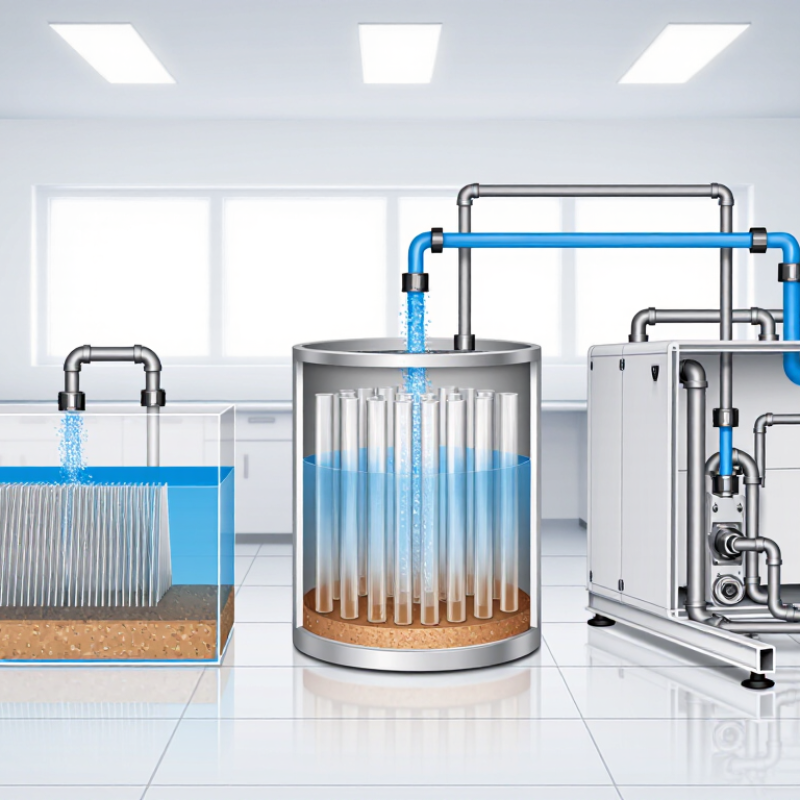
Packaged lamella clarifiers commonly use inclined-plate modules inside rectangular or circular tanks. Compare layouts by usable footprint, peak flow, and access for maintenance—not tank dimensions alone. The plates add settling surface within a compact vessel, but narrow channels can clog when feed contains fibrous debris or poorly conditioned solids. Check the supplier’s design basis against actual peak-hour flow, solids concentration, and temperature. Average flow is not enough.
Size the unit using projected settling area and the specified surface-loading rate, then confirm inlet distribution and sludge-hopper capacity. A brief flow surge can disturb settling and carry solids over the weir.
EPA’s 2004 Primer for Municipal Wastewater Treatment Systems reports that primary treatment typically removes about 60% of suspended solids and 30% of biochemical oxygen demand; these are broad treatment benchmarks, not guaranteed lamella-package results. Ask for test conditions and effluent data.
Sludge removal matters just as much: verify scraper or purge arrangement, withdrawal frequency, and access beneath the plates. One awkward detail: sludge can compact during intermittent operation. The ideal package on paper may need adjustment in the field.
Selecting a 2026 Clarifier: Compare Surface Loading Rates and Influent TSS
What Are the Top Lamella Clarifier Types in 2026?
Selecting a 2026 Clarifier: Compare Surface Loading Rates and Influent TSS
Lamella clarifiers commonly use inclined plates or closely spaced tubes to increase effective settling area within a compact tank. Plate packs suit many industrial and municipal applications; tube modules can offer a practical option where modular installation matters. Neither type wins on geometry alone. Check the projected settling area, plate or tube spacing, and access for cleaning.
Compare surface loading rate by dividing flow by effective settling area. A higher rate can reduce footprint, but only if particles settle reliably under actual operating conditions. Influent total suspended solids (TSS) adds another key measure: concentration multiplied by flow indicates the solids mass entering the unit. High or variable TSS may increase sludge accumulation and require closer attention to withdrawal capacity. That matters.
A clear, low-TSS stream may tolerate a higher hydraulic rate than a variable stream containing fine or poorly settling particles. Yet TSS concentration does not reveal particle size or settleability. Review recent influent data, settling tests, peak flows, and expected solids loads before comparing designs. Ask for the basis behind quoted loading rates, including whether they refer to projected plate area or tank footprint. One assumption deserves a second look: a compact unit is not automatically easier to operate. In practice, uneven flow distribution or missed sludge removal can undermine an otherwise sound selection.