What Is the Best China Polymer Dosing Control System?
Choosing the best Polymer Dosing Control system requires more than comparing pump brands or touchscreen features. It requires understanding the plant’s chemistry, flow changes, sludge characteristics, and maintenance reality. A clear starting point is essential.
The World Bank’s 2019 report, Wastewater: From Waste to Resource, estimates that about 80% of global wastewater is discharged without treatment. This pressure makes reliable clarification and dewatering increasingly important. The U.S. EPA also emphasizes testing, monitoring, and process adjustment when selecting chemical treatment strategies. In practice, polymer performance can change with mixing energy, dilution water quality, aging time, and feed-point location. A controller must respond to these variables, not only to a fixed flow signal.
W. Edwards Deming, a recognized process-control authority, stated, “If you can’t describe what you are doing as a process, you don’t know what you’re doing.” His principle fits polymer dosing closely. Operators need measurable inputs, repeatable calibration, and alarms that explain problems clearly. A good system can adjust dosage according to flow, suspended solids, or sludge concentration. It should also record trends for verification.
Small details matter.
A dry polymer feeder may bridge. A liquid polymer line may clog. A sensor may drift after weeks of fouling. Therefore, the best solution is not always the most automated one. It is the system that delivers stable floc formation, controlled chemical use, and practical maintenance. This article examines those trade-offs, while acknowledging one uncomfortable point: no controller can correct poor sampling, unsuitable polymer, or neglected calibration.
Definition and Role of Polymer Dosing Control Systems
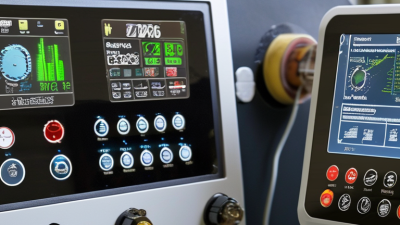
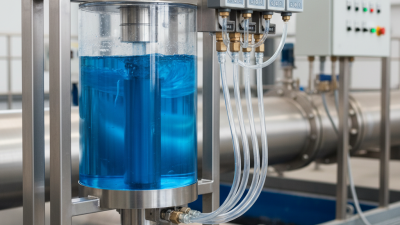
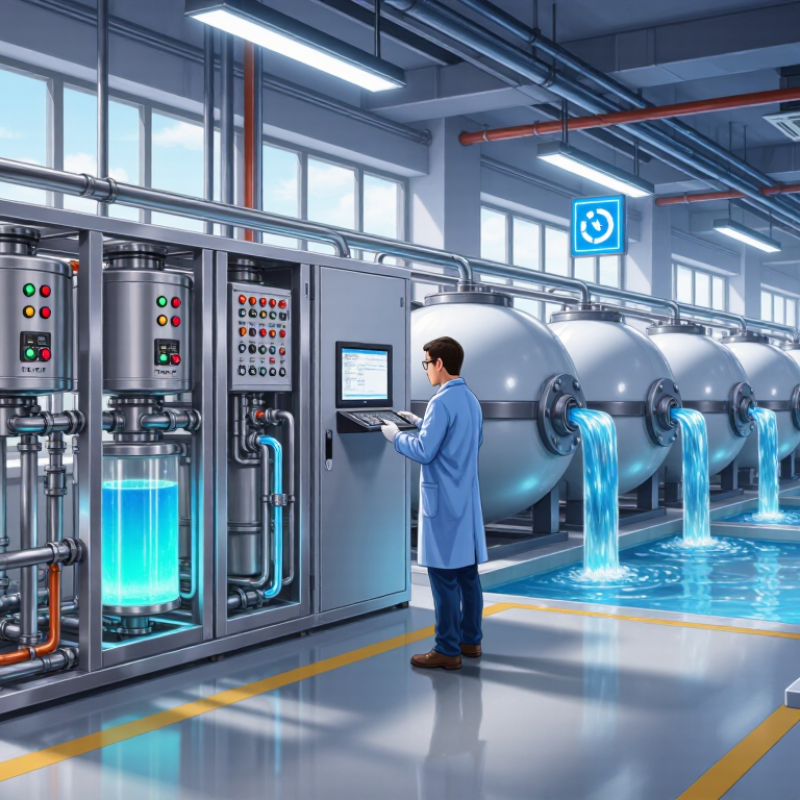
A polymer dosing control system is a coordinated setup that prepares, measures, and injects polymer into a treatment process. It usually includes a preparation tank, dosing pump, flow meter, mixer, sensors, and control software. Its main role is to deliver the right polymer concentration at the right time. That supports floc formation, sludge thickening, and clearer separated water.
From field commissioning experience, stable dosing depends on more than pump capacity. Polymer age, water temperature, shear, and dilution quality can change performance within one shift. A flow meter can detect changing demand, while feedback control adjusts pump speed as incoming flow rises or falls. Operators should also inspect powder bridging, tank mixing, and clogged injection lines. Small errors spread.
The best system for a Chinese treatment plant should match local water quality, maintenance skills, and operating conditions. A simple interface helps operators respond quickly during heavy rain or industrial flow changes. Alarm functions should identify low polymer levels, pump faults, and abnormal flow. Manual control remains useful during sensor maintenance. Still, excessive automation can hide poor preparation settings. Regular jar testing and calibration are necessary, even when the screen shows stable data. The word best is slippery. Reliability comes from measured performance, practical access, and disciplined daily checks.
Control Methods for Accurate Polymer Preparation and Injection
What Is the Best China Polymer Dosing Control System?
Control Methods for Accurate Polymer Preparation and Injection
The best polymer dosing control system is not defined by location alone. It depends on stable preparation, accurate measurement, and responsive adjustment. In practical wastewater operations, operators should control powder feed, dilution water, mixing speed, and aging time together. A dry polymer feeder can use a calibrated screw, while a water flowmeter verifies the actual dilution rate. Small errors matter.
A programmable controller can compare target concentration with real-time flow data. It can then adjust the dosing pump through variable-speed control. Sensors should monitor tank level, pump pressure, and injection flow. High-level and low-level alarms prevent interrupted dosing. A short mixing cycle may leave undissolved particles. Excessive mixing can damage polymer chains. The correct balance requires site testing.
Good systems also record calibration data and dosing trends. Operators can review sudden changes after a polymer batch, temperature shift, or pump replacement. Manual checks remain valuable. A simple measuring cylinder can reveal a faulty flow signal. No control loop is perfect. Sensor fouling, bridging powder, and inconsistent water pressure still create problems. The control panel should make these faults visible, not hide them behind automatic settings. Regular calibration and jar testing help maintain reliable polymer preparation and injection.
What Is the Best China Polymer Dosing Control System?
Control methods for accurate polymer preparation and injection
This chart shows the calculated polymer solution pump rate required at different water-flow rates and target polymer doses. The calculation assumes a polymer solution density close to water: 0.1% solution equals approximately 1 g/L, while 0.3% solution equals approximately 3 g/L. A flow-paced dosing system can automatically adjust pump output as the process flow changes, while concentration monitoring helps maintain consistent polymer preparation.
Installation, Maintenance, and Performance Evaluation
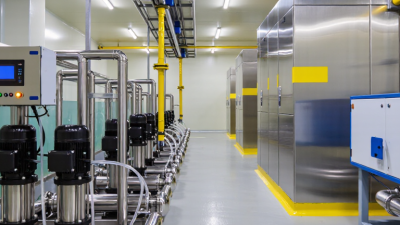
A reliable China polymer dosing control system begins with careful installation. Place the polymer preparation unit near the dosing point, but keep it away from flooding and excessive heat. Use clean dilution water, stable pressure, and corrosion-resistant pipes. The injection line should remain short and accessible. A static mixer can improve dispersion, although poor mixing may still occur at low flow. Flow-paced dosing is usually more dependable than fixed-speed operation. The U.S. EPA’s 2023 Drinking Water Infrastructure Needs Survey estimates $625 billion in needs through 2040, reinforcing the value of maintainable equipment rather than low initial cost.
Maintenance must be practical. Operators should inspect pump seals, tubing, agitators, and level sensors weekly. Calibration should follow changes in sludge concentration, not only a calendar reminder. Polymer solution can age, separate, or become over-sheared. That mistake is common. Keep preparation time and dilution ratios recorded beside the tank. WEF’s Design of Municipal Wastewater Treatment Plants guidance stresses process control, testing, and operator access. A locked cabinet is not a maintenance strategy.
Performance evaluation needs measured evidence. Track polymer use per dry tonne of solids, sludge capture, filtrate turbidity, cake solids, and electricity consumption. Compare results across seasons, especially during cold winter conditions. A simple jar test can reveal underdosing before the centrifuge shows unstable cake. I would not trust one excellent test result. The feed sludge may change tomorrow. A control system should also store alarms, manual adjustments, and calibration history. Those records expose small errors that a polished dashboard may hide.