What Is the Best Polymer Dosing Control System in 2026?
Choosing the best Polymer Dosing Control system in 2026 is not simply a matter of selecting the most advanced equipment. The right system must respond to changing sludge conditions, polymer strength, flow rates, and operator priorities. A control panel may look impressive, yet perform poorly when a turbidity probe becomes coated or a dosing pump loses calibration. Small failures matter.
W. Edwards Deming, a foundational authority in quality and process control, famously said, “Without data, you’re just another person with an opinion.” That principle remains highly relevant to polymer applications. Reliable Polymer Dosing Control should connect flow meters, polymer preparation data, torque feedback, and laboratory results. Operators need clear trends, not confusing dashboards. They also need alarms that identify real process risks, rather than creating constant noise.
The strongest systems usually combine automatic flow-paced dosing with feedback from dewatering performance. Some plants may benefit from advanced predictive control. Others may gain more from better mixing, cleaner sensors, or disciplined maintenance. There is no universal winner.
That is the uncomfortable part.
A sophisticated system cannot compensate for poor polymer storage, inconsistent dilution, or weak operator training. Even a well-designed control strategy may require manual review during storm events, seasonal changes, or unusual sludge loading. This guide examines the leading control approaches, their practical limits, and the conditions that make each one suitable. The goal is not to promote complexity. It is to identify measurable, dependable performance in the real plant environment.

Polymer Dosing Control Systems: Definition and Core Functions
What Is the Best Polymer Dosing Control System in 2026?
A polymer dosing control system measures, prepares, and injects polymer into water or wastewater treatment streams. Its core function is simple: deliver the right polymer dose at the right flow rate. The system usually includes a storage tank, make-up unit, dosing pump, flow meter, mixer, and control panel. In a working plant, these parts must coordinate while flow, solids concentration, and temperature change.
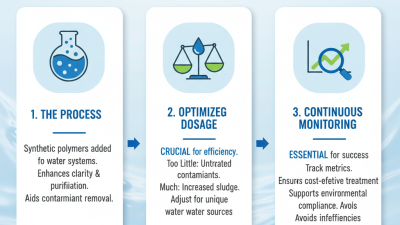
The control loop often combines flow-paced dosing with feedback from turbidity, sludge blanket depth, or suspended-solids data. A variable-speed pump may adjust dosage every few seconds. This prevents overdosing, which can increase chemical costs and produce sticky sludge. Under-dosing can weaken floc formation and lower dewatering performance.
The U.S. Environmental Protection Agency identifies polymer conditioning as an important process for improving sludge handling. The Global Water Intelligence Global Water Market 2024 report also highlights continuing investment in wastewater treatment infrastructure.
Market forecasts support this need. MarketsandMarkets estimated the global water treatment chemicals market at about USD 38 billion in 2023, with continued growth expected through 2028. However, larger spending does not guarantee better control. Field operators still need accurate calibration, stable polymer aging, and clean injection lines. Small errors matter. A blocked line can quietly distort the reading. Remote alarms help, but they cannot replace inspection. The best 2026 system should be automated, measurable, and easy for operators to question when results look unusual.
How Polymer Preparation and Dosing Processes Work
What Is the Best Polymer Dosing Control System in 2026?
Polymer preparation begins with accurate powder or emulsion measurement. Water quality matters too. Hard water can reduce activation efficiency and create uneven floc formation. A preparation unit should control wetting, mixing, maturation time, and dilution separately. The polymer needs time to unfold. Too little aging produces weak flocs; excessive shear can damage them.
Dosing then connects laboratory results with real-time plant conditions. Operators commonly adjust feed rates according to flow, sludge concentration, and filtrate clarity. A flow-paced pump alone may react too slowly during storms. Better control combines flow signals with turbidity, pressure, or solids readings. The U.S. EPA’s Energy Efficiency for Water and Wastewater Utilities report notes that water and wastewater services can represent about 4% of national electricity use. Efficient dosing therefore supports both treatment quality and resource management. Small changes matter.
The UN World Water Development Report 2024 reports that agriculture accounts for roughly 70% of global freshwater withdrawals. This increases pressure to recover cleaner water and reduce treatment waste. In practice, a reliable system should record polymer consumption per dry tonne of solids, not only litres per hour. Calibration checks should include pump output, solution strength, and injection-point mixing. Sensors drift. Operators make mistakes. That is why alarms, manual verification, and trend reviews remain necessary, even in highly automated plants. A perfect algorithm is still an unrealistic expectation.
What Is the Best Polymer Dosing Control System in 2026?
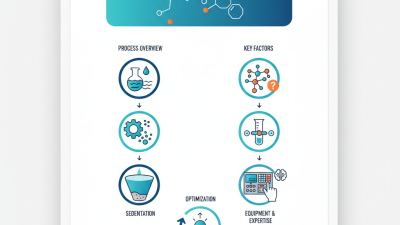
Typical operating time windows for polymer preparation and dosing processes. Actual settings depend on polymer chemistry, water quality, mixing energy, and process requirements.
Effective control systems coordinate wetting, dispersion, maturation, and continuous dosing. Flow feedback, level monitoring, and adjustable preparation time help maintain a stable polymer concentration and consistent treatment performance.
How to Evaluate Polymer Dosing Accuracy, Efficiency, and Reliability
What Is the Best Polymer Dosing Control System in 2026?
How to Evaluate Polymer Dosing Accuracy, Efficiency, and Reliability
The best polymer dosing control system is not always the most automated one. It must deliver a stable dose when polymer viscosity, temperature, and sludge concentration change. In field evaluations, I check actual output against the target over several operating cycles. A five-minute test can look excellent. It may still hide drift during a twelve-hour shift.
Accuracy begins with controlled preparation and measurement. Verify dilution water flow, mixing time, pump stroke, and injection pressure. A reliable system should record these values and show clear alarms when conditions move outside limits. Flow meters help, but they also require calibration. A sensor with a clean display can still provide poor data.
Tips: Test the system at low, normal, and peak demand. Compare setpoint data with collected volume. Inspect tubing, valves, and mixers for buildup. Keep calibration records with dates, operators, and test results. Small details matter.
Efficiency means using enough polymer without creating avoidable waste. Automatic adjustment can reduce overfeeding, but only when feedback data is trustworthy. Reliability depends on simple maintenance access, protected components, and safe manual override. I would not judge a system from specifications alone. Watch it operate beside a real process tank. Listen for unstable pump cycles. Check whether operators can understand an alarm quickly. The practical weakness is often not the controller. It is poor preparation, inconsistent testing, or neglected cleaning.
Selecting the Best Polymer Dosing Control System in 2026
Selecting the Best Polymer Dosing Control System in 2026 requires more than comparing pump prices. The system must match water quality, polymer type, plant capacity, and operator skill. In practical trials, stable dosing usually depends on accurate flow measurement and responsive control. A system that adjusts polymer only by fixed time intervals can waste chemicals during sudden flow changes.
Look for automatic flow-paced dosing, real-time turbidity feedback, and simple calibration tools. The control panel should show polymer concentration, pump speed, tank level, alarm history, and dosing trends. Clear screens matter. Operators often work beside noisy pumps and wet equipment, so confusing menus create avoidable mistakes. Remote monitoring can help, but local manual control remains essential during sensor failure or network interruption.
Pay close attention to polymer preparation and aging. Excessive mixing can damage polymer chains, while poor agitation may create lumps near the tank outlet. A well-designed system should include gentle mixing, level protection, dry-run prevention, and easy cleaning access. It should also record calibration changes for reliable maintenance reviews. My own preference is modular equipment with replaceable sensors, although this can increase the initial cost. I once underestimated operator training; the hardware performed well, but inconsistent preparation reduced treatment efficiency. The best selection may therefore be the system people can operate correctly every day.