Leave Your Message

What Is the Best Membrane Dosing Pump in 2026?

Choosing the best Membrane Dosing Pump in 2026 requires more than comparing flow rates and purchase prices. The right pump must deliver stable chemical dosing under real operating conditions. Temperature changes, fluid viscosity, pressure variation, and daily cleaning routines all influence performance.

A practical evaluation begins with the application. Is the pump feeding chlorine, coagulant, acid, or another process chemical? Each fluid demands suitable diaphragm materials, sealing systems, and corrosion resistance. A pump that performs well in a laboratory may struggle beside a humid treatment tank. Small leaks matter. Calibration drift matters more.

Reliability is measured over time. Look for accurate stroke control, clear maintenance access, overload protection, and dependable spare-parts support. Digital monitoring can improve accountability, but it cannot replace sound installation and regular inspection. That is easy to forget. Energy use also deserves attention, especially in facilities operating continuously.

This guide compares leading options through practical criteria, including dosing accuracy, pressure capability, material compatibility, control flexibility, service life, and total ownership cost. Manufacturer specifications provide a useful starting point, yet field results can differ. Installation quality, operator training, and fluid conditions often decide the outcome.

There is no universal winner. The best choice depends on the process, budget, and risk tolerance. Careful testing remains essential. A modest pump with consistent control may outperform a larger, more expensive model. That conclusion may seem obvious, but many purchasing decisions still overlook it.
What Is the Best Membrane Dosing Pump in 2026?

Membrane Dosing Pumps: Definition, Structure, and Core Functions

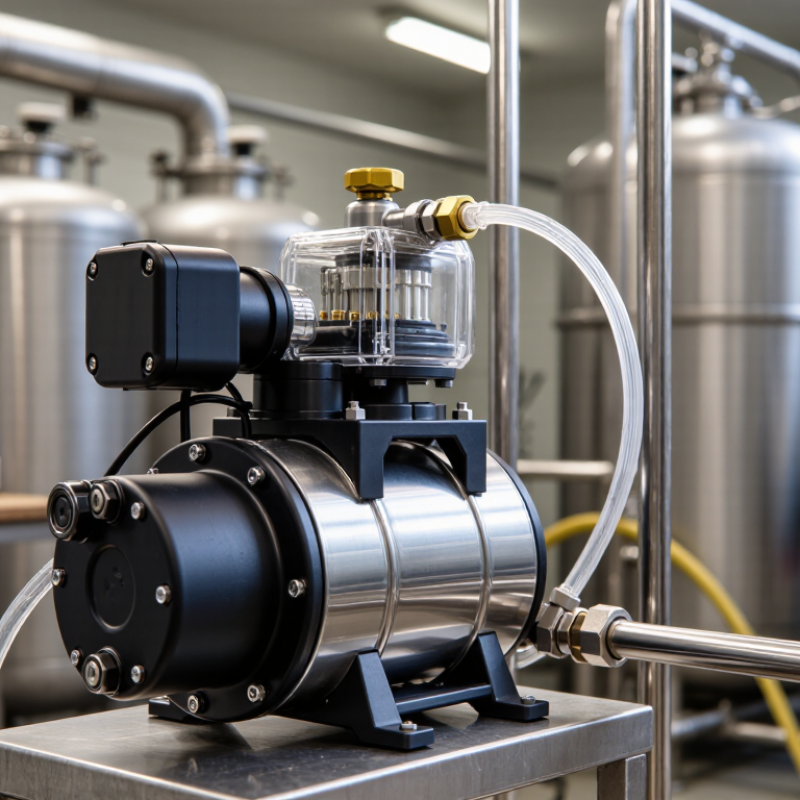
Choosing the best membrane dosing pump in 2026 starts with understanding its working anatomy. A membrane dosing pump uses a flexible diaphragm to move a measured liquid volume. The diaphragm separates the process fluid from the drive mechanism. Check valves control inlet and outlet flow.

The main structure includes a motor or solenoid drive, pump head, diaphragm, valves, seals, and adjustment controls. Some units also include flow sensors, pressure protection, and remote communication. These parts support three core functions: accurate dosing, chemical isolation, and repeatable pressure delivery. The 2024 UN World Water Development Report states that agriculture accounts for about 70% of global freshwater withdrawals. This places greater pressure on reliable treatment and irrigation dosing systems.

Performance depends on more than maximum flow. Engineers should compare pressure, turndown ratio, stroke frequency, chemical compatibility, and calibration stability. The WHO/UNICEF Joint Monitoring Programme reported in 2023 that 2.2 billion people lacked safely managed drinking water. Accurate chemical dosing can support disinfection and conditioning, but poor calibration can create unsafe results. Small details matter. A worn valve can distort the dose. A rigid diaphragm may resist aggressive chemicals, yet reduce flexibility at low flow. I have found that published accuracy figures often assume ideal water, stable pressure, and careful testing. Real installations are less obedient. Selection should include field verification, maintenance access, and a realistic safety margin.
What Is the Best Membrane Dosing Pump in 2026? - Membrane Dosing Pumps: Definition, Structure, and Core Functions

A practical comparison of diaphragm metering pump configurations, operating ranges, materials, control options, and typical applications.

Pump Configuration Typical Flow Range Typical Pressure Range Metering Accuracy Key Structure Best-Fit Applications Main Selection Consideration
Solenoid-Driven Diaphragm Approximately 0.1–20 L/h Up to about 20 bar Typically ±1–2% of rated capacity Electromagnetic drive, diaphragm, suction and discharge check valves, stroke or frequency control Water treatment, laboratory systems, cooling-water dosing, and compact chemical skids Low initial cost, compact size, and compatibility with pulse or analog control
Motor-Driven Mechanical Diaphragm Approximately 5–2,000 L/h Typically 5–25 bar Typically ±1% under stable operating conditions Motor, gearbox, eccentric mechanism, diaphragm, pump head, and non-return valves Industrial water treatment, process chemicals, boiler feed, and medium-capacity dosing A strong general-purpose choice when continuous operation and adjustable capacity are required
Hydraulically Actuated Diaphragm Approximately 10–10,000 L/h Typically 50–400 bar Typically ±1% of calibrated capacity Drive piston, hydraulic oil chamber, diaphragm, pressure relief system, and process head High-pressure chemical injection, refineries, power generation, and demanding process service Preferred where leak containment, high discharge pressure, and robust continuous duty are priorities
Double-Diaphragm Process Metering Pump Approximately 20–5,000 L/h Typically 10–250 bar Typically ±1–2%, depending on calibration and pulsation control Two diaphragms or a diaphragm with monitored containment space, process head, valves, and leak detection Toxic, corrosive, volatile, or environmentally sensitive chemical transfer Choose when secondary containment and early diaphragm-failure detection are essential
Pneumatic Diaphragm Metering Pump Approximately 1–1,000 L/h Typically 2–15 bar Typically ±2–5% without advanced flow feedback Air actuator, diaphragm, air-distribution mechanism, pump chamber, and check valves Hazardous areas, remote installations, and locations without electrical power Compressed-air availability, air consumption, pulsation, and controllability should be evaluated
Digital Diaphragm Metering Pump Approximately 0.1–1,500 L/h Typically 5–250 bar Often ±0.5–1% when correctly sized and calibrated Diaphragm assembly, electronic drive, microprocessor controller, sensors, and communication interface Automated dosing, remote monitoring, proportional control, and variable-demand treatment systems Best when dosing data, alarm handling, flow feedback, and integration with control systems are important

Core Functions and Evaluation Criteria

Evaluation Dimension What the Pump Must Do Practical 2026 Selection Guidance
Flow Control Deliver a repeatable chemical volume at a controlled rate. Select a turndown ratio that covers the minimum and maximum required flow; avoid operating continuously at the extreme end of the adjustment range.
Pressure Capability Overcome system backpressure while maintaining stable diaphragm movement and valve operation. Allow a safety margin above normal discharge pressure and verify that the pump has pressure-relief protection.
Chemical Compatibility Resist corrosion, swelling, embrittlement, and permeation caused by the chemical. Check the diaphragm, pump head, valve seats, balls, seals, and tubing together; compatibility depends on concentration and temperature.
Pulsation Management Limit flow fluctuations created by reciprocating diaphragm movement. Use a pulsation dampener, suitable pipe sizing, and backpressure control where the process requires a smoother flow.
Leak Prevention Keep the chemical contained during normal operation and diaphragm failure. For hazardous fluids, consider double diaphragms, rupture detection, secondary containment, and compatible relief devices.
Control and Monitoring Adjust dosing in response to flow, pH, conductivity, pressure, level, or production demand. Digital control, 4–20 mA input, pulse input, remote communication, flow verification, and alarm outputs are valuable for automated systems.
Note: The figures shown are typical engineering ranges rather than universal limits. Actual flow, pressure, accuracy, service life, and material compatibility depend on pump size, chemical properties, temperature, viscosity, installation conditions, calibration, and control method.

How Membrane Dosing Pumps Work Step by Step

What Is the Best Membrane Dosing Pump in 2026?

How Membrane Dosing Pumps Work Step by Step

A membrane dosing pump delivers precise liquid volumes through controlled diaphragm movement. Its performance depends on pressure, viscosity, temperature, and calibration. The process begins when an electric motor or solenoid drives the diaphragm backward. This creates suction inside the pump head. The inlet check valve opens, while the outlet valve remains closed.

The diaphragm then moves forward. Pressure rises inside the chamber. The inlet valve closes, and the outlet valve opens. A measured dose leaves through the discharge line. This cycle repeats many times per minute. Small valves control the flow direction. Even a tiny particle can disturb their sealing performance.

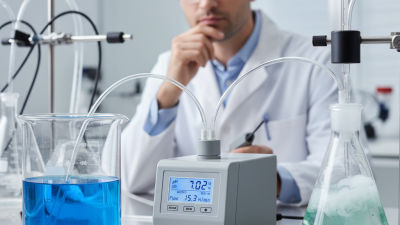
Technicians usually prime the pump before accurate dosing begins. They inspect tubing connections, remove trapped air, and compare the actual output with the setting. A graduated cylinder can reveal differences within a few minutes. Pressure relief protection also matters when a discharge line becomes blocked. No pump is perfect. Flow can change when chemicals warm up or become more viscous. That detail is easy to overlook.

The best membrane dosing pump in 2026 should offer stable stroke control, chemical-resistant materials, and accessible maintenance points. Digital controls help, but they cannot replace correct installation. Keep suction lines short, avoid sharp bends, and install suitable backflow protection. Regular inspection of the diaphragm and valves supports dependable operation. I have found that simple calibration records often prevent larger dosing errors later.

Key Performance Criteria for Comparing Pumps in 2026

What Is the Best Membrane Dosing Pump in 2026?

Key Performance Criteria for Comparing Pumps in 2026

Choosing the best membrane dosing pump in 2026 starts with the process, not the catalogue. A pump must deliver stable flow under changing discharge pressure. Compare rated flow with your real operating range, not its maximum. A unit rated at 100 L/h may behave poorly at 5 L/h. That gap matters. Check metering accuracy, repeatability, and turndown ratio through independent test data. Ask how readings were taken. “Accuracy” without test conditions is weak evidence.

Pressure capability should exceed normal demand, but excessive margins can waste energy and increase mechanical stress. Review diaphragm material, wetted parts, and chemical compatibility at the actual operating temperature. Small details matter, including vapor pressure, suction lift, and line length. Pulsation dampers can improve downstream readings, yet they add components requiring inspection. Operators should compare noise, heat, enclosure rating, and valve access. A pump that meters well but takes an hour to service is not truly efficient. Maintenance intervals deserve equal attention.

Controls are increasingly important in 2026. Look for reliable feedback, clear alarms, manual override, and secure system integration. Calibration should be possible without specialist software. Request service records, material certificates, and performance curves from controlled tests. Do not rely on a polished brochure. Field conditions are messier. Temperature swings, blocked strainers, and operator habits can expose weaknesses quickly. I would test the pump with the actual fluid whenever possible. No test is perfect, and that limitation should be documented.

What Is the Best Membrane Dosing Pump in 2026?

Key performance criteria for comparing diaphragm dosing pumps include flow capacity, discharge pressure, metering accuracy, repeatability, and turndown ratio.

The chart presents practical reference targets for a general-purpose membrane dosing pump: up to 100 L/h flow, 10 bar discharge pressure, approximately ±1% metering accuracy, ±0.5% repeatability, and a 10:1 turndown ratio. Actual performance depends on fluid properties, calibration, operating pressure, temperature, and pump configuration.

Best Membrane Dosing Pump Types for Different Applications

What Is the Best Membrane Dosing Pump in 2026?

Best Membrane Dosing Pump Types for Different Applications

The best membrane dosing pump depends on flow, pressure, chemical compatibility, and control accuracy. There is no universal winner. A solenoid-driven diaphragm pump suits compact water treatment skids and low-flow disinfection. It offers simple stroke control, low energy demand, and easy panel integration. However, uneven suction conditions can cause air locking. That detail is often underestimated.

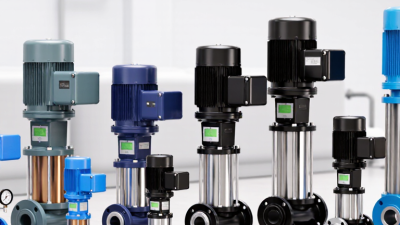
Motor-driven diaphragm pumps handle steadier, larger flows in wastewater, cooling systems, and industrial process lines. They provide stronger pressure capability and longer continuous-duty performance when correctly sized. The MarketsandMarkets Metering Pumps Market report estimates growth from about USD 6 billion in 2024 to nearly USD 8 billion by 2029. This expansion reflects broader chemical and water-treatment automation, not automatic proof of better pump quality.

Hydraulically actuated diaphragm pumps are preferable for high-pressure service or hazardous chemical transfer. A hydraulic chamber separates the process liquid from the drive mechanism. This design can reduce leakage risk and protect moving parts. Double-diaphragm configurations add monitoring value. They also increase purchase and maintenance costs. Choose them when containment matters more than simplicity.

Application conditions should guide the final decision. The UN World Water Development Report 2024 states that agriculture represents about 70% of global freshwater withdrawals. Irrigation systems therefore need reliable, weather-resistant dosing equipment. Field experience shows that calibration drift can develop after months of pulsation. I would verify turndown ratio, wetted materials, pulsation control, and spare-diaphragm availability before approval. A perfect datasheet is not enough.

How to Select the Right Membrane Dosing Pump in 2026

What Is the Best Membrane Dosing Pump in 2026?

The best membrane dosing pump depends on the duty, not the catalogue label. Start with required flow, discharge pressure, liquid temperature, viscosity, and chemical concentration. A pump delivering 2 L/h at 8 bar may fail if the chemical crystallizes inside the valve. Confirm wetted materials against the chemical supplier’s compatibility data. Then check turndown, calibration stability, pulsation, and control signals. API 675 remains a useful reference for controlled-volume metering pump performance and testing.

Water demand makes careful selection more important. The UN World Water Development Report 2024 states that agriculture represents about 70% of global freshwater withdrawals. Small dosing errors can affect disinfection, nutrient control, and operating costs across large systems. For water treatment, look for repeatable dosing at low flow, automatic stroke adjustment, leak detection, and accessible diaphragm inspection. For example, a 0.5% accuracy target sounds impressive, but actual performance may change with suction lift, air bubbles, and fluctuating backpressure.

Do not size from maximum flow alone. A pump operating constantly at its limit has little practical flexibility. Select a model whose normal duty sits near the middle of its usable range. The U.S. EPA also emphasizes process control and preventive maintenance in water-system operation. That advice is easy to overlook. A spreadsheet can still mislead. Test the pump with the real liquid, tubing, fittings, and pressure conditions before approval.