Selecting a reliable Membrane Dosing Pump is not simply a matter of comparing flow rates and prices. Global buyers face different water qualities, voltage standards, chemical concentrations, climates, and service expectations. A pump handling sodium hypochlorite in a coastal plant may need different materials from one dosing antiscalant in a desert facility. Small details matter.
This guide examines ten leading Membrane Dosing Pump options for international purchasing teams. It considers metering accuracy, pressure stability, diaphragm materials, chemical compatibility, control systems, maintenance access, energy use, and supplier support. Laboratory specifications are useful. Field experience is better. Sometimes, the quietest pump is not the best pump.
Lord Kelvin’s well-known principle remains relevant: “If you cannot measure it, you cannot improve it.” Buyers should therefore review calibration methods, tested capacity, pulse consistency, and long-term operating records. A pump rated for 100 liters per hour may perform differently when viscosity, back pressure, or suction conditions change. That gap is easy to overlook.
The ranking is practical, not absolute. A compact pump may suit a small treatment skid, while a reinforced model may be safer for continuous industrial dosing. Installation quality also matters. Poorly sized tubing, trapped air, or an unsuitable foot valve can weaken even an excellent pump. This article offers a careful starting point for comparison, while encouraging buyers to verify regional certifications, spare-parts availability, and manufacturer documentation before placing an order.
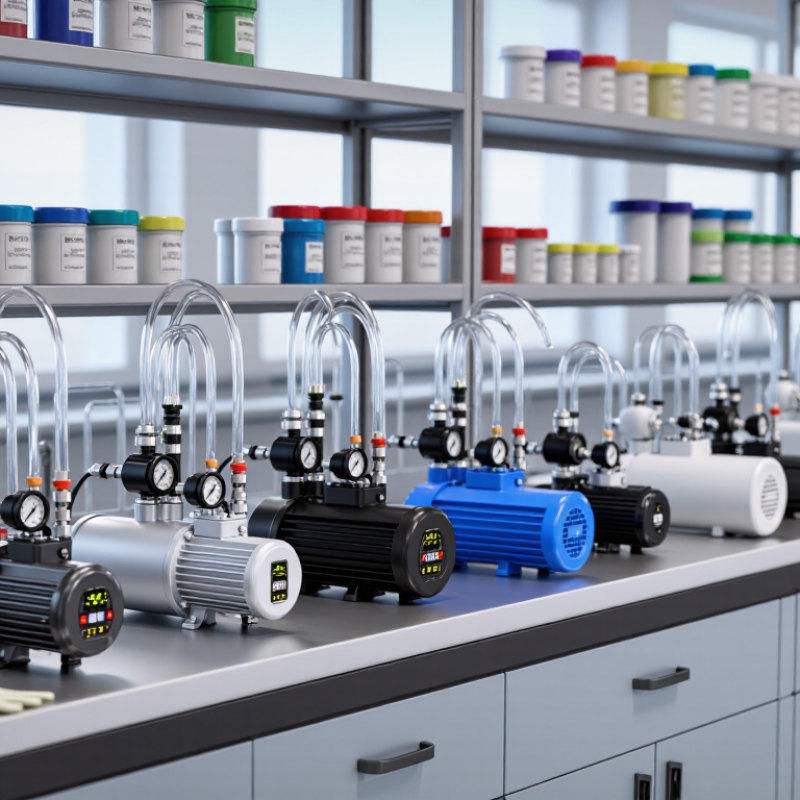
A membrane dosing pump transfers measured liquid through a flexible diaphragm. The drive moves the diaphragm backward, creating suction inside the pump head. In the forward stroke, the diaphragm pushes liquid through the discharge check valve. The suction and discharge valves open alternately, maintaining one-way flow.
Flow depends on stroke length, stroke frequency, liquid density, and discharge pressure. A pump rated for 100 liters per hour may deliver less under high back pressure. This difference matters during real installation. Read the performance curve, not only the catalog headline.
Before selecting a pump, confirm chemical compatibility, temperature, viscosity, and required accuracy. Inspect the diaphragm, valve seats, and tubing regularly. Small air bubbles can cause unstable dosing. A pressure relief device also protects the system when a downstream line becomes blocked. Safety comes before output.
In water treatment projects, technicians often calibrate the pump with a graduated cylinder and a stopwatch. Ten-minute tests can reveal noticeable errors. The result is uneven. Calibration may change after maintenance, especially when seals or valves are replaced. Buyers should also check control signals, spare-part availability, enclosure protection, and local service capability. A technically strong pump can still perform poorly when installation conditions are misunderstood.
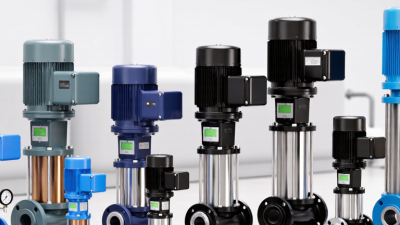
When comparing the top 10 membrane dosing pumps, global buyers should examine measurable performance rather than catalog claims. Flow accuracy matters, especially below 20% of maximum capacity. Ask for test data at actual pressure, temperature, and chemical concentration. A pump rated for 100 liters per hour may perform poorly at low flow.
Diaphragm material is equally important. PTFE suits many aggressive chemicals, while elastomers may offer better flexibility and lower cost. Check the wetted parts, valve design, and pressure rating together. Do not review them separately. Control options also affect daily operation. Useful features include 4–20 mA input, pulse control, remote start, alarm output, and automatic stroke adjustment. Clear displays help operators detect blocked lines or empty tanks quickly.
Maintenance can decide the real purchase value. Tool-free diaphragm access, replaceable valve cartridges, and available spare parts reduce downtime. Look for documented calibration procedures and traceable test records. Independent certifications may support buyer confidence, but certification alone proves little about field performance. No pump wins every comparison. The widest turndown range may still produce unstable dosing at its lowest setting. Noise, vibration, and installation space are easy to overlook. A careful buyer should request a trial under real operating conditions before approving a large order.
Choosing among the top 10 membrane dosing pumps requires more than comparing flow rates. Performance depends on pressure stability, stroke control, pulsation, and duty cycle. A pump handling 2 liters per hour may perform poorly if back pressure fluctuates sharply. In water treatment, agriculture, and industrial processing, accurate dosing protects both product quality and equipment. Field experience matters. Operators should review actual operating conditions, not only laboratory figures.
Materials influence service life. PTFE diaphragms resist many aggressive chemicals, while reinforced elastomers may suit less demanding fluids. Wetted parts should match concentration, temperature, viscosity, and cleaning procedures. Stainless steel can support durable construction, but it is not automatically compatible with every fluid. A small material mismatch can cause swelling, leakage, or early failure. I have seen specifications look correct, yet installation conditions exposed overlooked risks.
Tips: Confirm maximum pressure, minimum controllable flow, and calibration accuracy. Check whether the pump tolerates dry running and frequent starts. Compare diaphragm material, valve design, and connection standards across regions. Keep spare diaphragms and valve seats available. Measure the fluid temperature at the pump, not several meters away. Leave room for improvement. A practical test with the real fluid often reveals problems that datasheets miss. Avaliable monitoring points, clear maintenance access, and stable power supply also improve reliability across global applications.
Top 10 Membrane Dosing Pumps for Global Buyers
Selection Criteria for Flow Rate, Pressure, Accuracy, and Control
The global metering pump market was valued at approximately USD 6.8 billion in 2023, according to MarketsandMarkets. Its projected growth reflects stricter water treatment and process-control requirements. For buyers comparing ten membrane dosing pumps, flow rate should match the real process demand, not only the maximum catalog value. A pump rated at 100 L/h may become unstable below 10 L/h. That gap matters.
Pressure comes next. Confirm the pump’s continuous discharge pressure, not its short-term peak. Backpressure, fluid viscosity, and valve resistance can reduce actual output. The U.S. Environmental Protection Agency identifies calibration, chemical properties, and operating conditions as important factors in chemical feed accuracy. A practical test should measure output at several pressure points. One reading is not enough.
Accuracy is often advertised near ±1%, but site conditions may produce wider variation. Ask for repeatability data, calibration procedures, and test temperatures. Control options also deserve careful review. Pulse signals, analog input, remote monitoring, and automatic stroke adjustment can support stable dosing. However, complex control is not always better. It may increase maintenance and create new failure points. I would choose a simpler system when the process permits it. That judgment is easy to overlook.
| Rank | Pump Configuration | Typical Flow Rate | Maximum Discharge Pressure | Typical Metering Accuracy | Control and Communication | Common Wetted Materials | Best-Fit Applications | Key Selection Consideration |
|---|---|---|---|---|---|---|---|---|
| 1 | Electronic Solenoid-Driven Diaphragm Pump | 0.05–12 L/h | Up to 10 bar | ±1.0% of rated flow | Manual stroke setting Pulse input 4–20 mA | PTFE diaphragm, PVC or PVDF head, ceramic or ceramic-coated check valves | Water disinfection, pH correction, laboratory dosing, and small treatment skids | Choose this format when compact size, low power consumption, and simple proportional control are priorities. |
| 2 | Motor-Driven Mechanical Diaphragm Pump | 1–180 L/h | Up to 16 bar | ±1.0% of rated flow | Variable speed External pulse 4–20 mA | PTFE, EPDM, PVC, PVDF, stainless steel, and Hastelloy options | Industrial water treatment, chemical preparation, cooling-water dosing, and process control | A strong general-purpose option for continuous duty and moderate-to-high back pressure. |
| 3 | Hydraulically Actuated Diaphragm Metering Pump | 5–1,000 L/h | Up to 250 bar | ±0.5% of rated flow | Manual capacity control Variable frequency drive 4–20 mA | PTFE, stainless steel, alloy steel, PVDF, and elastomer options | High-pressure process injection, boiler chemicals, oil and gas service, and refinery systems | Use when pressure resistance, leak prevention, and reliable continuous operation are more important than low initial cost. |
| 4 | Hydraulic Double-Diaphragm Pump | 10–2,500 L/h | Up to 400 bar | ±0.5% of rated flow | Stroke adjustment Remote actuator PLC integration | PTFE, stainless steel, duplex stainless steel, and nickel alloys | Critical chemical injection, polymer dosing, high-pressure water treatment, and energy infrastructure | The secondary diaphragm provides added protection against process-fluid leakage into the drive mechanism. |
| 5 | Pneumatic Double-Diaphragm Dosing Pump | 1–500 L/h | Up to 8 bar | Typically ±2.0% of rated flow | Air-pressure control On/off solenoid Pneumatic signal | PTFE, polypropylene, PVDF, stainless steel, and compatible elastomers | Hazardous areas, solvent transfer, intermittent dosing, and locations without electric power | Confirm compressed-air quality, air consumption, pulsation, and the required flow turndown before selection. |
| 6 | Sanitary Diaphragm Metering Pump | 0.5–300 L/h | Up to 10 bar | ±1.0% of rated flow | Variable speed Pulse control Recipe control | 316L stainless steel, PTFE, EPDM, and food-grade elastomers | Food and beverage processing, hygienic water systems, pharmaceutical utilities, and biotechnology | Verify surface finish, clean-in-place compatibility, dead-volume design, and applicable sanitary standards. |
| 7 | Corrosion-Resistant PVDF Diaphragm Pump | 0.1–150 L/h | Up to 12 bar | ±1.5% of rated flow | Manual setting Pulse input 4–20 mA | PVDF head, PTFE diaphragm, ceramic check components, and FKM or EPDM seals | Oxidizer dosing, acids, alkalis, plating chemicals, and corrosive industrial liquids | Check chemical compatibility at the actual concentration, temperature, pressure, and operating cycle. |
| 8 | High-Temperature Diaphragm Dosing Pump | 2–250 L/h | Up to 25 bar | ±1.0% of rated flow | Variable speed Remote setpoint Alarm output | PTFE, stainless steel, graphite-filled components, and high-temperature elastomers | Boiler treatment, hot-process chemicals, thermal oil systems, and elevated-temperature utilities | Temperature derating is essential; confirm diaphragm life, seal limits, and suction conditions at operating temperature. |
| 9 | Motorized Multi-Head Diaphragm Pump | 20–4,000 L/h | Up to 40 bar | ±1.0% of rated flow | Independent head adjustment VFD PLC or SCADA | PTFE, PVDF, stainless steel, duplex stainless steel, and alloy options | Multiple-point chemical injection, large treatment plants, process batching, and industrial utilities | Useful when several chemicals must be dosed from one drive; verify cross-contamination protection and synchronization. |
| 10 | Smart Diaphragm Metering Pump with Integrated Monitoring | 0.2–600 L/h | Up to 20 bar | Up to ±0.5% of rated flow | Touchscreen 4–20 mA Modbus or Ethernet Flow verification | PTFE, PVDF, stainless steel, ceramic, and chemically resistant elastomers | Automated water plants, remote facilities, dosing stations, and digitally monitored process lines | Select this type when audit trails, remote diagnostics, automatic calibration, and closed-loop dosing are required. |
Selecting among the top membrane dosing pumps requires more than comparing flow rates. Buyers should match capacity, pressure, fluid temperature, and chemical compatibility with the actual process. A pump that looks efficient may perform poorly with thick fluids or frequent starts. Check wetted materials, control signals, spare parts, and service support before ordering. Small errors matter.
Installation should include a stable mounting surface, correctly sized tubing, and accessible isolation valves. Keep suction lines short and avoid sharp bends that can trap air. A calibration column helps verify real output instead of trusting the display. Follow the manufacturer’s instructions and local electrical requirements. In practice, rushed commissioning often causes unstable dosing. I have seen teams blame the pump when blocked strainers caused the problem.
Maintenance plans should define inspection intervals for diaphragms, valves, seals, and connection points. Operators need training on priming, leak detection, pressure relief, and safe chemical handling. Keep records of calibration, repairs, alarms, and replaced parts. These records support audits and reveal gradual performance loss. Compliance also depends on site-specific environmental, workplace safety, electrical, and chemical storage rules. Requirements differ by country and application, so verify them with qualified local professionals. Do not assume a certified component makes the entire installation compliant. That assumption deserves review.