2026 How to Choose the Right Mini Dosing Pump for Your Needs?
Choosing the right Mini Dosing Pump can significantly impact your operations. According to a recent report by Industry Insights, the global mini dosing pump market is projected to reach $1.2 billion by 2026, driven by increasing automation and demand for precision in fluid handling.
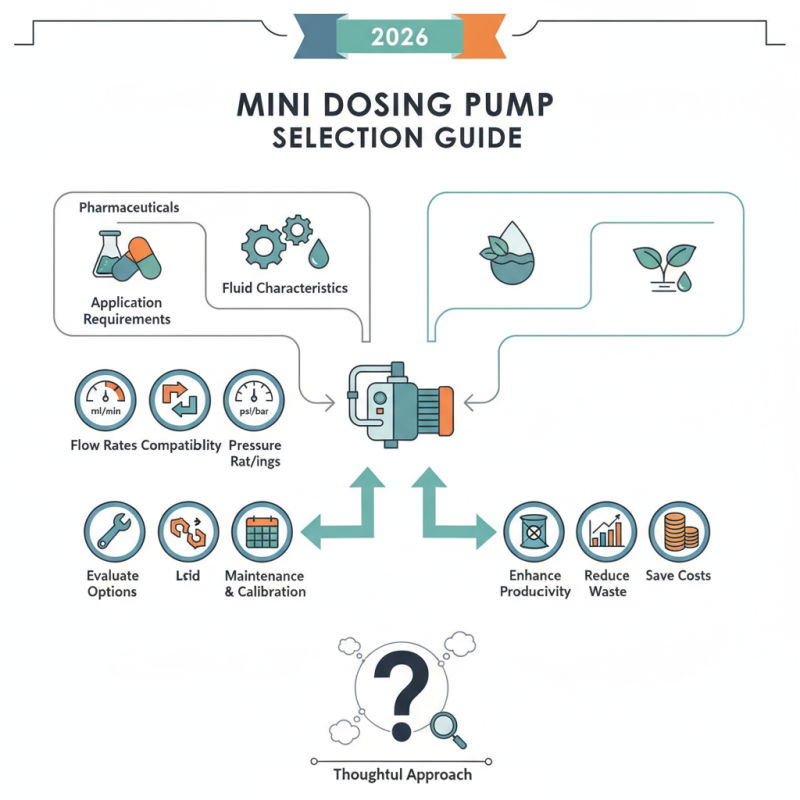
Expert in the field, Dr. Jane Smith, emphasizes, "Selecting a mini dosing pump should align with application requirements and fluid characteristics." This statement highlights the importance of tailored solutions. Different industries, such as pharmaceuticals and agriculture, have unique specifications. Therefore, understanding flow rates, compatibility, and pressure ratings becomes crucial.
Many users overlook maintenance and calibration aspects, leading to inefficiencies. It’s essential to regularly assess your mini dosing pump to ensure optimal performance. The right choice can enhance productivity, reduce waste, and save costs. However, taking the time to evaluate your options is often neglected. A thoughtful approach is necessary to address this common oversight.
Understanding Mini Dosing Pumps: Types and Applications
Mini dosing pumps are essential tools in various industries, including pharmaceuticals, food and beverage, and chemical processing. Their compact size allows for precision dosing in spaces where larger pumps cannot fit. According to a recent market report, the global mini dosing pump market is projected to grow significantly, reflecting their increased adoption.
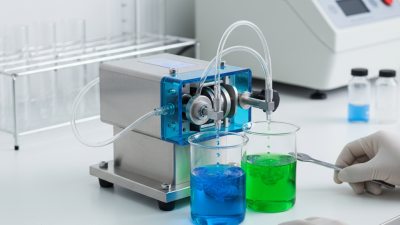
Understanding the different types of mini dosing pumps is crucial for making an informed choice. Peristaltic pumps offer accuracy for sensitive formulations, while diaphragm pumps are ideal for handling corrosive substances. Choosing the right type depends on the specific application requirements, such as flow rate and chemical compatibility.
Tips: Always evaluate the specific requirements of your application. Consider factors like viscosity and pressure. Consult with industry experts to avoid costly mistakes. Regular maintenance is necessary to ensure long-term performance. A neglected pump can lead to inaccurate dosing and system failures. Take time to reflect on your needs and the potential consequences of your choice.
2026 Mini Dosing Pump Applications and Types
This chart illustrates the various types of mini dosing pumps and their applications in different industries for the year 2026. The data represents the estimated percentage of usage across these sectors.
Key Factors to Consider When Selecting a Mini Dosing Pump
When choosing a mini dosing pump, consider its flow rate. This defines how much fluid the pump will move. A pump's flow rate must align with your application's needs. Too low a flow rate may lead to inefficiency. Conversely, a pump that is too powerful might waste resources.
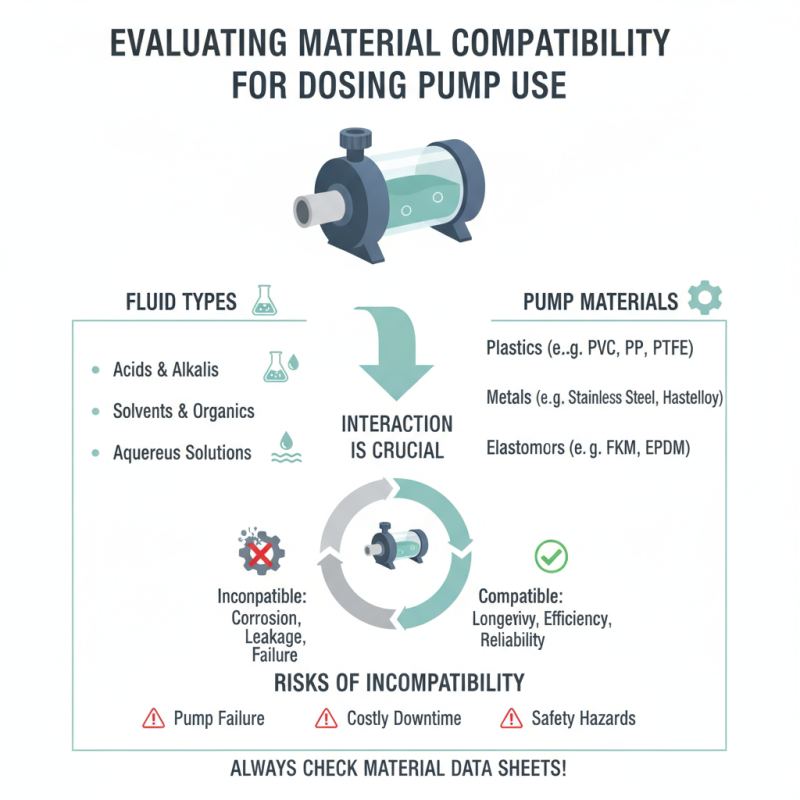
Material compatibility is essential. The pump should handle the chemicals or substances you intend to use. Different materials resist corrosion and degradation to varying extents. Using an incompatible material can lead to equipment failure or contamination. Always verify if the pump materials suit your specific needs.
Tips: Assess the environment where the pump operates. Is it exposed to extreme temperatures or humidity? Such factors impact performance and longevity. Regular maintenance checks can prevent unexpected breakdowns. Even the best pumps require attention over time. Reflect on your operational demands, and don't rush the selection process. Choose wisely based on thorough research and analysis.
Assessing Pump Specifications: Flow Rate, Pressure, and Accuracy
When selecting a mini dosing pump, understanding the specifications is essential. Flow rate plays a crucial role in determining how much fluid the pump can deliver. It is typically measured in milliliters per minute or liters per hour. Knowing your application's requirements helps you select the right flow rate. Consider if your project needs a continuous flow or intermittent dosing.
Pressure is another key specification. Pumps operate at different pressures, impacting fluid delivery consistency. Higher pressure can ensure precise dosing even over varying distances. However, too much pressure might lead to unwanted stress on the system. It's important to strike a balance here.
Accuracy directly affects the pump's reliability. A pump's ability to deliver the correct amount of fluid matters in many applications, from agriculture to laboratory settings. Small variations can lead to inefficiencies. Testing the pump under real-life conditions might reveal its flaws. Gathering performance data and reviewing beyond specifications ensures you make a well-informed decision.
Evaluating Material Compatibility for Dosing Pump Use
When selecting a mini dosing pump, material compatibility is crucial. Different fluids interact uniquely with various materials. For example, certain chemicals may corrode plastic but be safe with metal. Understanding these interactions is vital for optimal performance. Failure to consider this can lead to pump failure and costly downtime.
Analyzing the chemicals you plan to dose is necessary. Conduct compatibility tests if possible. This helps identify any potential issues before installation. Furthermore, many users overlook the impact of temperature and pressure on material selection. These factors significantly affect a pump's longevity and reliability.
Documentation and data sheets can provide insights into material properties. However, they may not cover every scenario. Engaging with experts can offer tailored advice, helping ensure you choose the right materials. Remember, each application is unique. Don’t assume one solution fits all situations. Trial and error may be part of the process, but informed decisions yield the best results.
Budgeting for Your Mini Dosing Pump: Cost vs. Features
When considering a mini dosing pump, budgeting is crucial. The balance between cost and features can greatly affect your decision. Industry reports indicate that the average price range for these pumps is $100 to $800. However, prices can vary significantly based on their specifications and functions. Basic models may suffice for straightforward applications, while advanced units offer precision and control, justifying higher costs.
Investing in quality is essential. A pump with better durability and efficiency may reduce maintenance costs over time. Look for features such as adjustable flow rates and material compatibility. According to research, pumps with electronic controls may increase operational flexibility. They typically range from $300 to $600, but their long-term savings can be worthwhile.
Tip: Always assess your application's specific needs first. A cheaper model might seem appealing but could lead to higher costs due to inefficiencies.
Don't overlook the total cost of ownership. Some pumps may have a lower initial price but higher energy consumption. According to the latest data, energy-efficient models can reduce operational costs by up to 30%. This should factor into your budget.
Tip: Review energy ratings and maintenance requirements before deciding. Regular maintenance can prevent costly breakdowns.
Balancing upfront costs with ongoing expenses will help you make an informed choice. Each decision you make contributes to your project’s overall success.