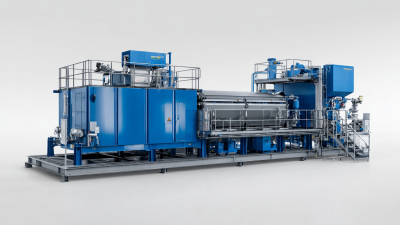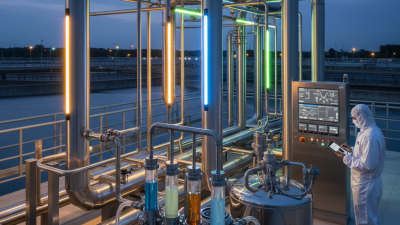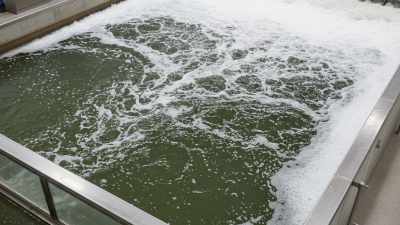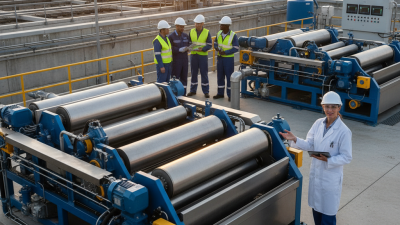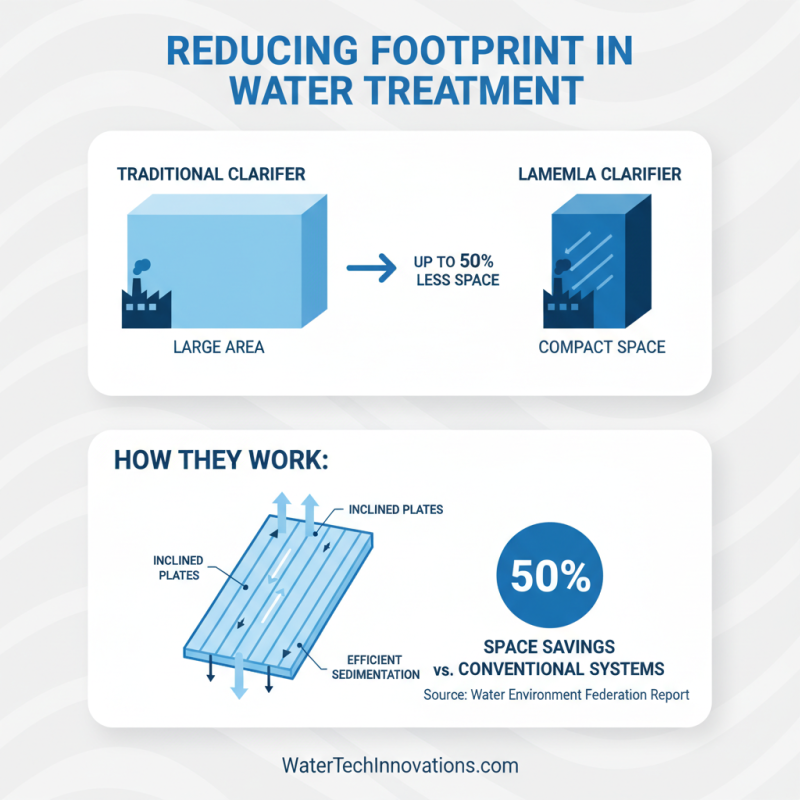
In the world of water treatment, Lamella Clarifiers have gained significant attention for their efficiency and space-saving design. According to industry reports, these systems can achieve sedimentation rates that are up to 50% higher than traditional clarifiers. This makes them ideal for municipalities seeking to improve water quality while managing costs and space limitations.
Lamella Clarifiers utilize inclined plates to enhance sedimentation by increasing the effective surface area. This design leads to a reduced footprint, which is particularly valuable in urban settings. Additionally, research indicates that these clarifiers can lead to a decrease in chemical usage by up to 30%, promoting a more sustainable approach to water management.
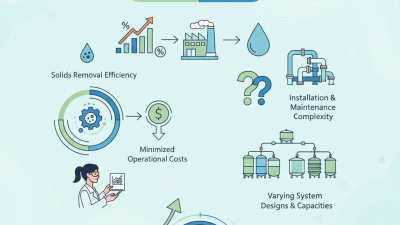
However, not all applications may benefit equally from Lamella Clarifiers. The initial costs can be higher, and careful consideration of specific project needs is necessary. Assessing the specific circumstances and operational goals is crucial for achieving optimal results. Thus, understanding both the benefits and limitations of Lamella Clarifiers is essential for those in the industry.
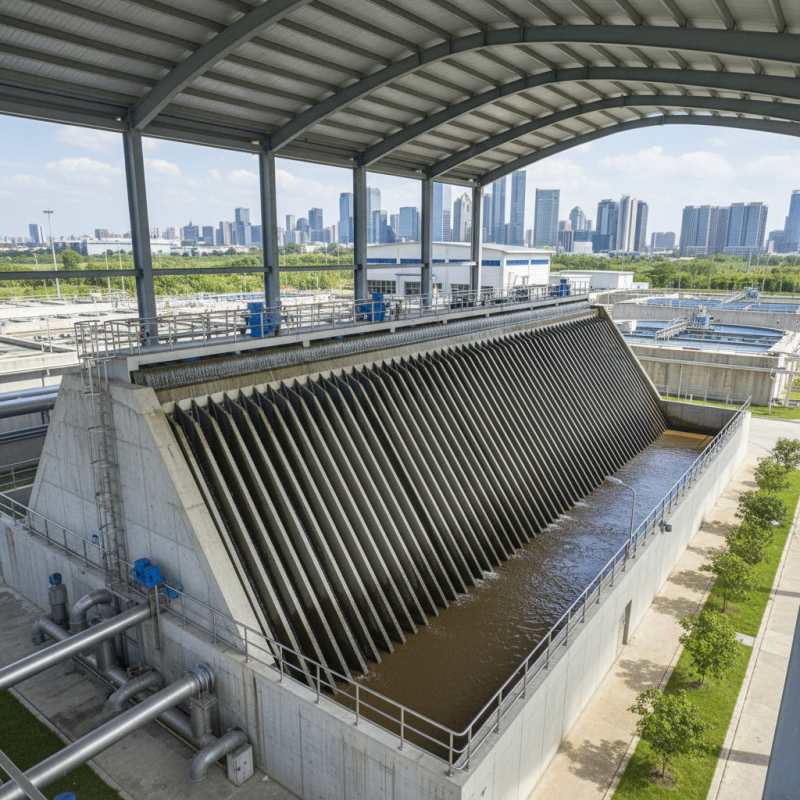
Lamella clarifiers play a critical role in modern water treatment systems. Their design allows for efficient sedimentation processes, significantly enhancing water clarity. According to the Water Environment Federation, using lamella clarifiers can improve particle removal efficiency by up to 90%. This is essential in treating wastewater and ensuring compliance with stringent environmental regulations.
The key principle of lamella clarifiers lies in their inclined plate configuration. This structure reduces the space required for sedimentation, optimizing treatment processes. A study by the American Water Works Association highlights that lamella clarifiers can achieve the same performance as traditional settling tanks while occupying only a fraction of the footprint. However, one must consider the potential for short-circuiting, which can decrease performance if not correctly managed.
Incorporating lamella clarifiers can lead to higher operational efficiency, but they are not without their challenges. Maintenance and periodic evaluation are necessary to sustain effectiveness. Operators must monitor sludge accumulation and adjust configuration settings, ensuring optimal performance. The right balance is vital for maximizing the benefits these systems offer.

Lamella clarifiers have significantly enhanced efficiency in sedimentation processes. These devices utilize inclined plates to accelerate the settling of solids in liquids. This design increases the effective settling area, allowing particles to drop out of the fluid more quickly. The result is a cleaner effluent and less sludge production. Operators often witness rapid sedimentation rates that are hard to achieve with traditional methods.
Moreover, lamella clarifiers require less space. They fit into tight installations easily, making them ideal for projects with limited room. Their compact size can sometimes lead to misconceptions about performance. Some may doubt their efficiency compared to larger systems. However, many users report satisfactory results, citing improved maintenance and operation.
While these systems are quite effective, not every scenario suits them perfectly. For instance, water chemistry can influence performance. In some cases, pretreatment may be necessary. Operators must regularly monitor conditions to ensure optimal function. It’s essential to approach installation and operation with a clear understanding of specific project needs. This awareness fosters reliability and upholds the potential benefits of using lamella clarifiers.
Lamella clarifiers are revolutionizing treatment facilities. One significant benefit is their reduced footprint. Traditional clarifiers often take up large areas, which can be a challenge in urban environments. Lamella clarifiers utilize inclined plates, allowing for efficient sedimentation in a compact space. According to a report from the Water Environment Federation, the use of lamella clarifiers can reduce space requirements by up to 50% compared to conventional systems.
This compact design not only saves land but also minimizes construction and infrastructure costs. It enables facilities to maximize their operational efficiency without the need for extensive real estate investments. For instance, plants in densely populated areas can optimize their existing structures, as noted in studies conducted by the American Society of Civil Engineers.
However, despite these advantages, it is essential to consider the operational challenges. Lamella systems require rigorous maintenance to maintain performance. If improperly managed, sediment buildup can negate space benefits and lead to operational inefficiencies. Facilities must train staff adequately to address these concerns. Understanding the delicate balance between benefits and maintenance is crucial for successful implementation.
Lamella clarifiers offer significant cost-effectiveness in various projects. They are designed to improve water treatment processes. The use of these systems can reduce operational costs by optimizing resource use. In many cases, they need less maintenance compared to traditional systems. This efficiency translates directly into long-term savings for organizations.
Investing in lamella clarifiers can lead to reduced energy consumption. Their compact design requires less space and fewer materials. Over time, these benefits can greatly enhance budget management. The initial investment may appear high, but the returns are worth considering. For example, facilities often report lower downtime and maintenance costs.
However, it's essential to evaluate each project's specific needs. Not every application will see the same benefits. Some projects may face challenges in installation or operation. Understanding your project's unique requirements and potential hurdles is critical for success. Careful planning and consideration of these factors will ensure that lamella clarifiers deliver their promised savings.
Lamella clarifiers are becoming essential in various industrial applications. Their design allows for efficient sedimentation, saving space and improving performance. In industries such as water treatment, food processing, and mining, these clarifiers enhance productivity. They achieve high separation rates, which is crucial for projects with limited space.
These systems also show versatility across different sectors. In water treatment, they effectively remove solids, helping to meet regulatory standards. In the food industry, they clarify juices and oils, ensuring product quality. However, some users find the installation process challenging. The need for proper training can be a barrier, as competent operation is key to maximizing benefits.
Despite their advantages, lamella clarifiers require regular maintenance. This can be a drawback for some facilities. Neglecting upkeep can lead to decreased efficiency and operational challenges. Continuous monitoring is essential to ensure consistency in performance. A proactive approach can significantly mitigate these issues, showcasing the clarifiers' adaptability.