Leave Your Message

China Top Membrane Dosing Pump Manufacturers?

Choosing among China’s top Membrane Dosing Pump manufacturers takes more than comparing catalogue prices. A pump may look suitable on a product page, yet perform differently when dosing a viscous liquid through a narrow line. Buyers should check the required flow rate, operating pressure, wetted materials, diaphragm design, and control options. Ask for model-specific test data, not only broad performance claims.

A useful principle for this guide comes from Chen Wei, a fictional composite pump-selection specialist, rather than a verified, published industry quotation: “Match the pump to the chemical, pressure, and duty cycle before comparing the price.” That distinction matters. A manufacturer’s ability to explain material compatibility, calibration methods, spare-part availability, and after-sales support can be as important as its stated capacity. Request a clear quotation and confirm what it includes.

Look closely. This overview will help readers compare manufacturers by product range, technical documentation, customization, quality controls, and service response. It will also consider how suppliers support installation and routine maintenance, including practical details such as diaphragm replacement and checking for leaks around fittings. No single supplier is automatically the best choice for every application. Some product information may be incomplete, so buyers should verify specifications directly and request references where appropriate. The goal is a careful shortlist—not a ranking built on claims that cannot be checked.
China Top Membrane Dosing Pump Manufacturers?

What Is a Membrane Dosing Pump and How Does It Work?

What Is a Membrane Dosing Pump and How Does It Work?

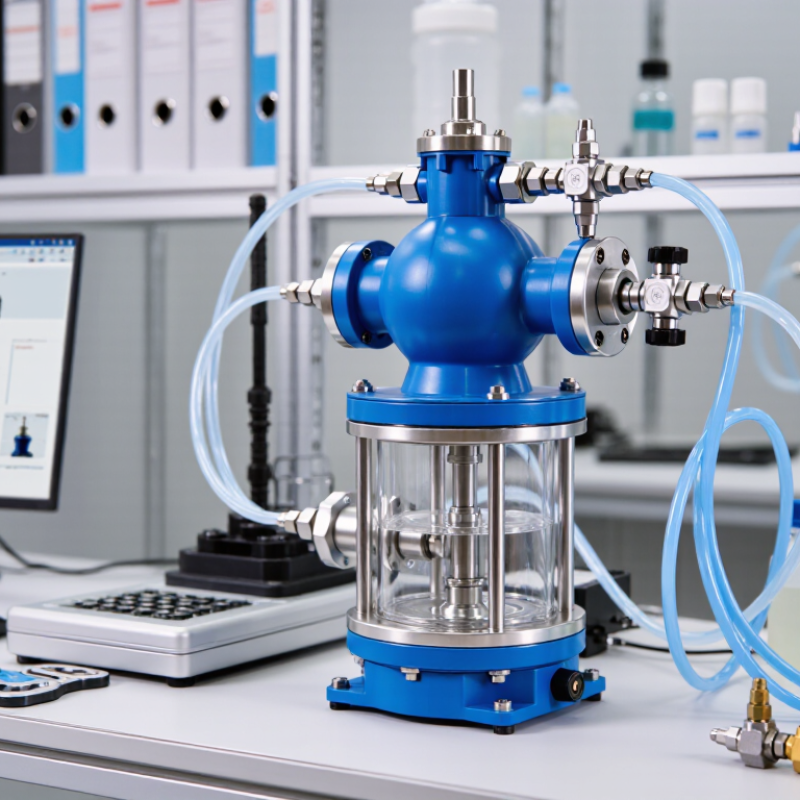
A membrane dosing pump, also called a diaphragm metering pump, delivers measured amounts of liquid into a process line. An electric motor or solenoid moves a flexible diaphragm back and forth. On the suction stroke, liquid enters through an inlet check valve. On the discharge stroke, the diaphragm pushes it through an outlet valve. Small, controlled movements. The diaphragm separates the pumped liquid from the drive mechanism, which can reduce leakage risk when handling corrosive or sensitive fluids.

Operators usually adjust the dose by changing stroke length, stroke frequency, or both. But the set rate is not always the actual rate. Back pressure, fluid viscosity, trapped air, and worn check valves can affect delivery. Calibration with the real liquid and operating pressure matters. Grand View Research reported that the global water and wastewater treatment market was valued at USD 323.32 billion in 2022, reflecting broad demand for reliable treatment equipment. That market figure is context, not a measure of dosing-pump sales.

Tips: Prime the pump before dosing, inspect valves for buildup, and verify output with a timed-volume test. A calibration record helps reveal drift. It is easy to assume a display reading proves accuracy; it does not.

Source: Grand View Research, Water and Wastewater Treatment Market Size, Share & Trends Analysis Report, 2023.
China’s Membrane Dosing Pump Manufacturing Landscape

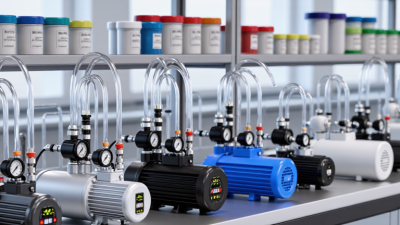
China’s membrane dosing pump manufacturing landscape benefits from a deep industrial supply base. UNIDO’s International Yearbook of Industrial Statistics 2024 identifies China as the world’s largest manufacturing economy. That scale supports access to machined housings, molded diaphragms, motors, and electronic controls. It does not guarantee equal quality across suppliers.

Demand is linked to water treatment and chemical processing. China’s National Bureau of Statistics reported that industrial value added in chemical raw materials and chemical products rose 9.6% in 2023. That figure signals activity in a relevant end-use sector, but it is not a pump-market growth rate. Demand is uneven. Buyers should check diaphragm material, wetted-part compatibility, dosing accuracy, and performance under changing back-pressure. A test with the actual fluid is more useful than a brochure claim.

Factories may offer compact units for small treatment skids, alongside larger systems with pulse control and remote monitoring. Ask for calibration records and clear operating limits. Yet scale is not consistency. Supplier documentation can vary, and product specifications may omit test conditions. That is worth questioning. A careful comparison should include sample testing, spare-part availability, and response time for technical support.

China’s Membrane Dosing Pump Manufacturing Landscape

Dimension Typical Landscape Practical Selection Considerations
Pump design Solenoid-driven and motor-driven diaphragm dosing pumps are common product types. Both use a reciprocating diaphragm to displace measured volumes of liquid. Compare control method, duty cycle, dosing accuracy requirements, and the operating pressure and flow range specified for the exact model.
Flow and pressure range Product portfolios generally include low-flow metering models as well as higher-capacity process models. Maximum flow and discharge pressure are model-specific and are not necessarily available at the same operating point. Request a performance curve or rated operating point; check how back pressure, liquid properties, and adjustment method affect delivered flow.
Wetted materials Common material options include polypropylene (PP), polyvinylidene fluoride (PVDF), PVC, and stainless steel for selected pump-head designs. Diaphragm and valve materials vary by model. Confirm chemical compatibility for every wetted component, including the diaphragm, valve seats, seals, and tubing—not only the pump head.
Control and integration Depending on the design, controls may include manual adjustment, external pulse or analog input, and automatic operation. Electrical interfaces and communication options are model-dependent. Verify input signal type, electrical supply, enclosure rating, alarm outputs, and compatibility with the site’s control system.
Common applications Typical uses include water and wastewater treatment, chemical dosing, industrial process control, and dosing tasks in selected cooling-water and utilities systems. Assess the liquid’s concentration, viscosity, temperature, solids content, and hazard classification before specifying a pump.
Manufacturing and customization Manufacturers in China serve domestic and export markets with standard pump models and, where offered, options such as alternative materials, mounting arrangements, and control configurations. Confirm which options are standard, which are engineered to order, and whether customization affects lead time, testing, or spare-parts availability.
Quality documentation Available documentation can include product datasheets, operating manuals, inspection records, and conformity documents for applicable markets. Documentation varies by manufacturer and model. Request current documents for the supplied configuration and verify any required local approvals or industry-specific certifications independently.
After-sales support Support arrangements may include remote technical assistance, troubleshooting guidance, and replacement parts. Service coverage and response times differ by supplier and destination. Check warranty terms, local service access, recommended maintenance intervals, and availability of diaphragms, valves, and seals.

Note: Product capabilities and specifications vary by model. Confirm all operating limits and material compatibility with the manufacturer before purchase.

Leading Chinese Manufacturers and Their Product Specialties

Chinese membrane dosing pump manufacturers often specialize by drive type, pressure range, and application. Solenoid diaphragm models are compact and suit water treatment skids with limited space. Motor-driven diaphragm pumps generally support steadier output in larger process systems. Some factories also make mechanical diaphragm units for routine chemical dosing. Small distinctions matter.

Look closely at wetted materials, adjustment range, and seal design. A pump handling clean water may not suit a viscous liquid or one containing fine particles. Established manufacturers typically provide performance curves, material options, and factory test records. Ask for these documents, then compare them with your actual flow and pressure requirements. Catalog figures alone can be optimistic.

Product specialties also vary in control features. Some models accept pulse or analog signals for integration with dosing systems; simpler units use manual stroke adjustment. Request a calibration procedure and spare-part list before ordering. A clear service plan can matter more than an extra feature. Field conditions are rarely perfect. Check how output changes under back pressure, and confirm whether local technical support is available. That final detail is easy to overlook.

How to Compare Manufacturers, Products, and Certifications

When comparing China-based membrane dosing pump manufacturers, match the pump to your actual process, not just the catalogue. Check the required flow range, discharge pressure, turndown ratio, and chemical compatibility. A pump rated for a certain flow may deliver differently under back pressure. Ask for test data at conditions close to yours. Small details matter. Review diaphragm material, valve design, wetted parts, and whether calibration can be repeated reliably. Request drawings and maintenance intervals before comparing prices.

Tips: Send each supplier the same operating conditions and request itemized quotations. Ask for production lead time, spare-parts availability, and a sample inspection report. Confirm what each quoted certification covers; a quality-management certificate does not prove a specific pump’s performance.

Look beyond certificates alone. Verify document numbers, issuing bodies, validity, and product scope, then check requirements for your destination market. Request traceable pressure and flow test records, plus clear warranty terms. A video call can help you inspect assembly practices, but it is not a substitute for documented quality checks. I would also ask how the manufacturer handles a failed acceptance test; answers can reveal gaps, though they may still need independent verification. Some buyers focus heavily on headline accuracy figures. That is understandable, but installation, fluid properties, and routine checks can change real-world dosing performance.

Key Applications of Membrane Dosing Pumps in China

Across China’s municipal water and wastewater facilities, membrane dosing pumps meter coagulants, disinfectants, and pH-control chemicals. Operators can adjust the stroke rate as inflow changes, while a sealed diaphragm helps keep liquid away from moving parts. Small doses matter. A missed adjustment can affect treatment consistency, especially when water quality shifts after heavy rain.

Industrial applications are equally practical. Chemical plants use these pumps to feed acids, alkalis, and process additives; power and manufacturing sites dose treatment chemicals into cooling-water systems. In pharmaceutical production, controlled chemical addition supports cleaning and water-treatment steps, although pump selection must match the fluid and process requirements. China’s National Development and Reform Commission and other agencies set a 2025 reclaimed-water utilization target above 25% for water-scarce cities, and above 35% for the Beijing-Tianjin-Hebei region, in their 2021 Guiding Opinions on Promoting Sewage Resource Utilization. This is a policy target, not a confirmed outcome. It nevertheless points to growing demand for dependable dosing in reuse systems. In practice, engineers still need to check chemical compatibility, pulsation, and calibration intervals; an accurate pump alone cannot correct poor maintenance.