Leave Your Message

China Top Polymer Dosing Systems for Water Treatment?

Reliable polymer dosing is a small part of a treatment plant, but a poor setup can disrupt an entire process. UNESCO’s 2017 World Water Development Report estimated that over 80% of global wastewater was discharged without adequate treatment. That figure is global, not specific to China, and it does not measure polymer demand. Still, it shows why dependable treatment equipment matters.

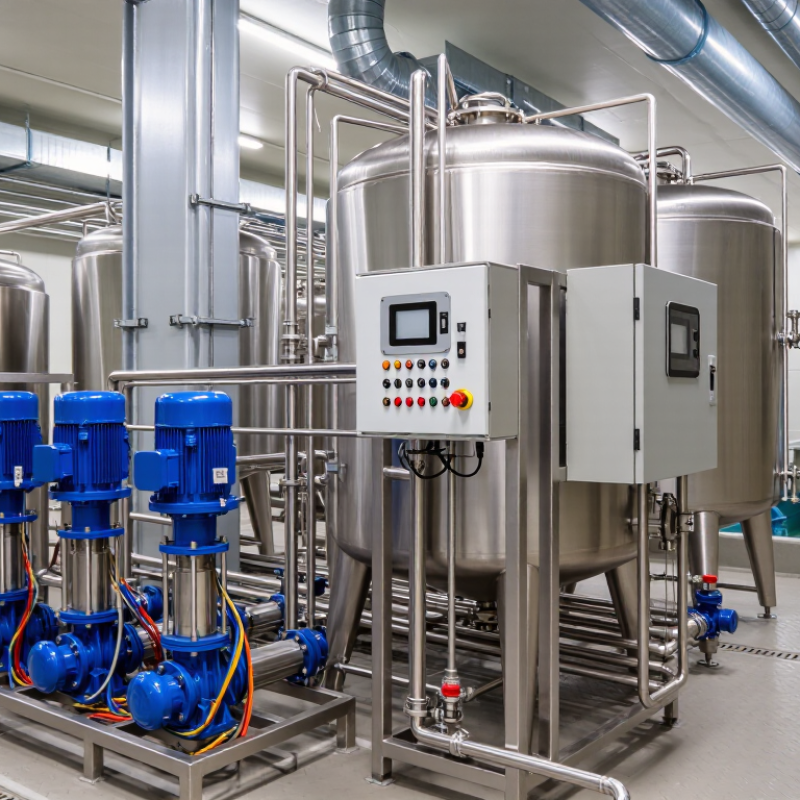
Poly Dosing In Water Treatment supports processes such as sludge dewatering and clarification. A practical system typically combines polymer preparation and maturation tanks, controlled mixing, metering pumps, and adjustable feed controls. The right configuration depends on polymer type, flow variation, and the plant’s operating routine. Small details matter. Poor wetting, inconsistent mixing, or an unsuitable pump can waste chemical and produce uneven results.

This guide examines leading polymer dosing system options available from Chinese manufacturers. It focuses on verifiable technical details: dosing range, tank capacity, materials, automation, documentation, and after-sales support. Product specifications should be checked against the intended application, not treated as proof of real-world performance. A brochure rarely shows how equipment behaves during a difficult shift. Buyers should request commissioning guidance and confirm that quoted capacities match actual operating conditions. This comparison has limits: supplier information may vary in detail, and independent performance data is not always available. That is worth keeping in mind.
China Top Polymer Dosing Systems for Water Treatment?

What Polymer Dosing Systems Do in Water Treatment

In water treatment, a polymer dosing system prepares and feeds a measured amount of polymer into a process stream. The polymer helps tiny suspended particles gather into larger flocs, which can settle or be separated more easily. A typical setup includes a make-down tank, an agitator, a maturation chamber, and a dosing pump. Dry polymer needs careful wetting and mixing; otherwise, fish-eyes or clumps may remain in the solution. That preparation step matters.

At a wastewater plant, operators may inject diluted polymer before a clarifier, filter press, or centrifuge. A controlled dose can improve solids capture and produce drier sludge, but the right setting depends on water chemistry and solids loading. Flow changes and seasonal shifts can alter demand. Too little polymer forms weak flocs; too much may create sticky sludge, raise costs, or affect downstream treatment. Not quite. Operators should check jar-test results, pump calibration, solution age, and treated-water quality instead of relying on one fixed setting. Flocs in a clear beaker may look different from those in a full-scale tank, so operating observations still matter.
Key Components and How the Dosing Process Works

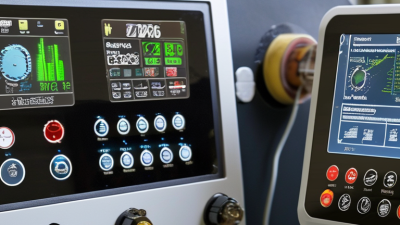
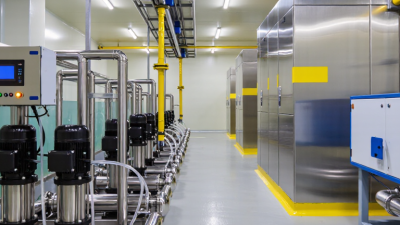
A polymer dosing system converts a powder or liquid concentrate into a measured solution that helps fine particles form settleable flocs. Its core parts usually include a storage hopper or tank, feeder, wetting unit, mixing and aging tanks, dosing pump, injection point, and controls. UN-Water’s 2017 World Water Development Report estimated that over 80% of wastewater worldwide was released without adequate treatment. Reliable chemical preparation is only one part of the answer, but poor preparation can undermine treatment performance.

The process starts with controlled wetting and mixing. Operators allow time for polymer chains to hydrate, then transfer the solution to a dosing pump. The pump feeds it into a flowing water or sludge stream, often before flocculation or dewatering. A flow meter can link feed rate to plant flow. Gentle downstream mixing helps particles collide without breaking the flocs. Small details matter. A dry pocket in the make-up tank or a clogged injection line can produce uneven dosing.

Dose selection should follow jar tests and operating data, not a fixed recipe. Staff can track turbidity, settling behavior, sludge dryness, and polymer consumption, then adjust gradually. The U.S. EPA’s secondary-treatment regulation, 40 CFR §133.102, specifies an average removal of at least 85% for biochemical oxygen demand and suspended solids, where applicable. That standard does not prescribe a polymer dose. I would still question any setting that looks perfect on paper but has not been checked against changing flow and water quality.

Common Applications Across Water Treatment Facilities

Across water treatment facilities, polymer dosing systems support flocculation, where fine particles gather into larger, settleable flocs. At a municipal wastewater plant, operators may dose polymer before clarifiers or during sludge thickening. Small adjustments matter. Too much can leave sticky carryover; too little may produce weak flocs and cloudy overflow. The suitable dose depends on water chemistry and solids.

For dewatering, polymer is commonly prepared in a make-down tank, allowed time to hydrate, then metered to a centrifuge, belt press, or screw press. Operators watch cake texture, filtrate clarity, and equipment load—not just pump settings. Check the dilution water. Check mixing. Poor hydration can waste chemical and cause inconsistent results, even when the dosing pump appears accurate. Jar tests help establish a starting point, but plant conditions shift with weather and incoming loads.

Industrial facilities use similar systems for process-water clarification and wastewater pretreatment, especially when suspended solids vary by shift. Flow-paced control can track changing throughput, while turbidity or sludge measurements may help refine dosing. Sensors need cleaning and calibration. Automation is useful, not magic. A control loop can respond poorly to unreliable signals. Operators still need to compare readings with actual floc formation and press performance, and document changes. Some days, the best setting is not obvious.

China Top Polymer Dosing Systems for Water Treatment? — Common Applications Across Water Treatment Facilities

Indicative polymer dose ranges for common aqueous treatment applications. Actual doses vary with water quality, polymer type, and process conditions; jar testing and on-site optimization are recommended.

Bars show indicative operating ranges in mg/L, not fixed setpoints or a comparison of suppliers.

How to Evaluate Polymer Dosing Systems in China

China Top Polymer Dosing Systems for Water Treatment?

When evaluating polymer dosing systems in China, start with the process, not the catalogue. Check the required flow range, polymer type, and feed concentration. A system handling dry powder may need wetting and maturation stages; an emulsion setup has different needs. Ask suppliers to explain how they control mixing, aging time, and dose consistency.

Look closely at pump turndown, wetted materials, and cleaning access. These details affect daily operation. For example, operators should be able to inspect a strainer and flush a line without dismantling half the skid. Request performance data at your actual operating range, not only at maximum capacity.

If possible, trial the polymer with your site water or sludge. Lab results help, but they may not match a busy plant. That uncertainty matters.

Tips: Ask for drawings, a recommended spare-parts list, and commissioning support. Confirm local service response times. Record polymer concentration and flow during a trial; small changes can alter floc formation. Don’t overlook operator training. A neat proposal is not proof of reliable dosing.

Leading Chinese Suppliers and System Features

Chinese suppliers of polymer dosing systems commonly configure equipment around plant capacity, polymer type, and available floor space. Typical packages combine a powder wetting unit, mixing tank, maturation chamber, metering pump, and control panel. For operators, the practical details matter: stable powder feeding, enough hydration time, and an accessible drain can prevent clumps and simplify cleaning. Compact skids suit crowded sites, while larger installations may use separate preparation and storage tanks. Small details count.

The UN World Water Development Report 2017 estimated that over 80% of wastewater worldwide was discharged without adequate treatment. That figure underscores the need for dependable treatment equipment, but it does not guarantee that polymer dosing alone will solve performance problems. Suppliers should document preparation capacity, dosing range, wetted materials, and control options. Flow-paced dosing can track changing inflow; operators still need jar tests and routine checks to tune the dose.

A useful supplier assessment includes factory testing, commissioning support, spare-part availability, and clear operating instructions. Ask how the system handles low-demand periods and whether alarms identify empty polymer hoppers or pump faults. Those questions expose gaps early. No control panel replaces trained operators, and a polished specification can still omit site-specific constraints. UNESCO’s 2017 report provides the wastewater context; project-level selection should rely on process data and verified equipment documentation.

China Top Polymer Dosing Systems for Water Treatment? - Leading Chinese Suppliers and System Features

This overview compares common polymer preparation and dosing system configurations available from water-treatment equipment suppliers. It is organized by system type rather than by company or brand; it does not rank individual suppliers. Actual capacity and solution concentration depend on the polymer product, process duty, and project design.

System Configuration Polymer Feed Form Typical System Features Common Water-Treatment Uses Key Selection Considerations
Automatic dry-polymer preparation system Powdered polymer Typically combines a powder hopper, metering feeder, wetting device, mixing tank, and maturation section. Controls can coordinate powder feed and water supply. Municipal and industrial sludge conditioning; flocculation ahead of clarification or dewatering. Confirm polymer-specific wetting and maturation requirements. Consider dust control, bridging prevention, and access for hopper cleaning.
Liquid-emulsion polymer dilution system Liquid polymer emulsion Uses a chemical storage or day tank, metering pump, dilution-water line, and mixing arrangement. Some designs include staged dilution to support solution preparation. Sludge thickening and dewatering; flocculation processes where liquid polymer is specified. Check the polymer supplier’s dilution and aging guidance, pump compatibility, and the need for controlled mixing to avoid damaging the polymer.
Batch preparation system Powder or liquid polymer, depending on design Prepares a defined batch in a tank, usually with mixing and a holding period before the solution is transferred or dosed. Multiple tanks may support preparation and use at the same time. Small or intermittent-duty plants; installations with predictable batch demand. Size the batch volume and preparation schedule for peak demand. Provide sufficient usable tank volume and prevent settled or aged solution from remaining unused.
Continuous preparation system Most commonly powdered polymer; configuration-dependent Feeds polymer and water continuously through preparation stages. Level or flow signals may regulate feed and maintain solution availability. Facilities with steady polymer demand or limited space for large batch tanks. Verify minimum and maximum operating rates, stable wetting at low flow, and adequate maturation time for the selected polymer.
Skid-mounted dosing package Depends on the selected preparation and feed package Factory-assembled modules can include tanks, pumps, mixers, instruments, valves, and a control panel on a common frame. Retrofits, packaged treatment plants, and projects where simplified installation is preferred. Check transport dimensions, lifting points, utility connections, maintenance clearance, and whether piping and electrical interfaces match the site.
Manual or semi-automatic dosing station Prepared solution or liquid polymer Uses operator-set feed rates, with some systems adding flow indication, level alarms, or automatic pump start/stop functions. Low-throughput plants, pilot systems, or processes requiring frequent operator adjustment. Assess operator workload, dosing consistency, chemical handling procedures, and the need for alarms or interlocks.