2026 How to Use Lamella Clarifier for Efficient Water Treatment?
Water treatment is a critical process for enhancing water quality worldwide. The Lamella Clarifier has gained attention for its efficiency in this sector. According to the Water Environment Federation, the adoption of advanced clarification technologies, like Lamella Clarifiers, can reduce sedimentation time by up to 50%.
Expert in wastewater treatment, Dr. Emily Hartman, states, "Using a Lamella Clarifier can dramatically improve both efficiency and reliability in water treatment." This statement reflects the growing recognition of Lamella Clarifiers in addressing the rising challenges of water pollution. Their design allows for a compact footprint, which is especially beneficial in urban settings.
However, not all applications are straightforward. Some installations face challenges like improper flow rates and maintenance issues. Improved understanding and better training are essential. Addressing these concerns leads to more effective use of Lamella Clarifiers and enhances overall water treatment processes.
Overview of Lamella Clarifiers in Water Treatment
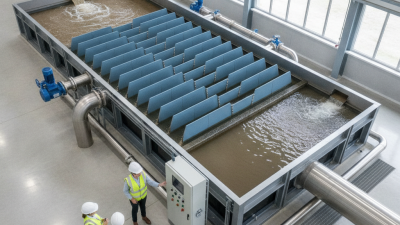
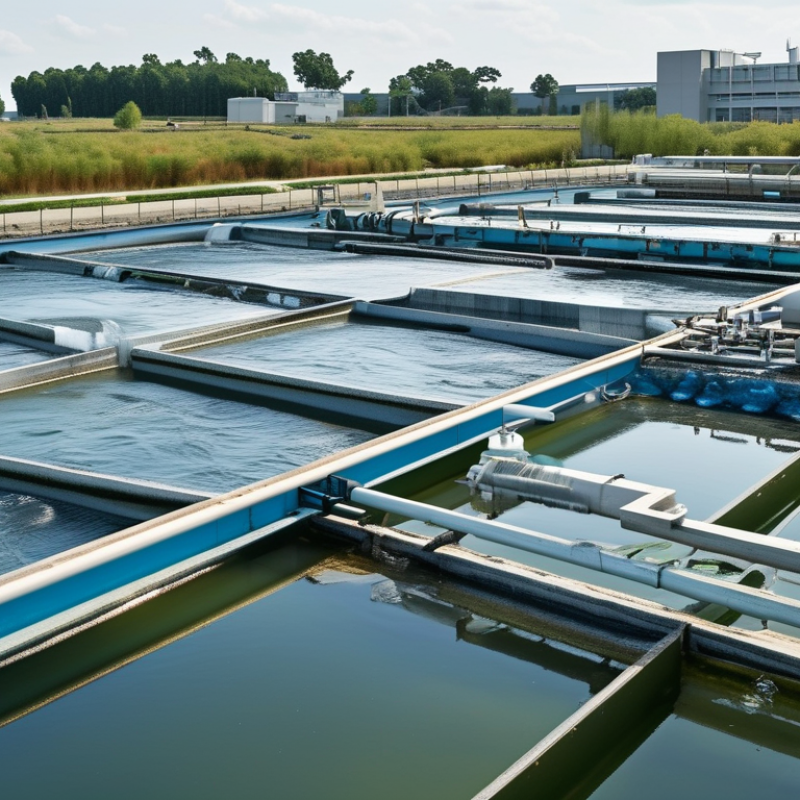
Lamella clarifiers are essential in modern water treatment systems. They utilize inclined plates to separate solids from liquids effectively. This design allows for a smaller footprint compared to traditional clarifiers, making them ideal for space-constrained facilities.
The operation of lamella clarifiers revolves around gravity. As water flows through the unit, particles settle on inclined plates. This process enhances sedimentation efficiency. However, maintaining optimal flow rates can be challenging. Operators must monitor the system closely to avoid issues like short-circuiting.
Effective use of lamella clarifiers requires experience and knowledge. Regular maintenance is critical for reliable performance. Cleaning the plates and checking for blockages ensures consistent operation. Despite their advantages, some installations may face operational difficulties. Each project should be evaluated individually to determine the best approach for efficient water treatment.
2026 How to Use Lamella Clarifier for Efficient Water Treatment?
| Parameter |
Description |
Typical Range |
Benefit |
| Surface Area |
Effective area for settling particles |
100 to 300 m² |
Increases efficiency in sedimentation |
| Flow Rate |
Amount of water treated per hour |
10 to 300 m³/h |
Optimizes operational capacity |
| Sedimentation Depth |
Depth at which particles settle |
0.5 to 1.5 m |
Reduces footprint in treatment plants |
| Sludge Volume Index (SVI) |
Measure of settleability of sludge |
80 to 150 mL/g |
Enhances clarity and treatment quality |
| Operating Temperature |
Temperature of the influent water |
10 to 30 °C |
Ensures optimal chemical reaction rates |
Principles of Operation for Lamella Clarifiers
Lamella clarifiers play a vital role in water treatment processes by enhancing solid-liquid separation efficiency. Their design leverages the principles of gravity and laminar flow.
Water flows through inclined plates, which increase the settling area without requiring excessive floor space. This method can reduce sedimentation time by up to 50%, based on industry studies.
The operation relies on specific trends in sedimentation rates. According to a 2020 report by the American Society of Civil Engineers, the effectiveness of lamella clarifiers correlates with water temperature and particle size.
As water temperature rises, particle settling rates improve, significantly benefiting treatment efficiency. However, the system's performance can decrease with larger particles, emphasizing the need for proper pre-treatment.
While lamella clarifiers offer numerous benefits, they aren’t without challenges. Proper maintenance is essential to prevent clogging. A study from the Water Environment Federation highlighted that up to 15% of operations face issues due to scaling and debris accumulation.
Regular monitoring of flow rates and sedimentation patterns can mitigate these risks. This delicate balance of design and operational oversight is crucial for achieving optimal water treatment results.
Key Components and Design Features of Lamella Clarifiers
Lamella clarifiers are essential for efficient water treatment, especially in industries with high water usage. Their design features optimize sedimentation, a key process for removing solids from water. Typically, they consist of inclined plates that increase the settling surface area, allowing particles to settle faster. This design can reduce the footprint of the treatment facility by up to 50%, making it a cost-effective solution.
According to a recent industry report, lamella clarifiers can achieve a solids removal efficiency of up to 90%. This impressive rate is due to the enhanced settling mechanism, which relies on gravity and the increased effective area provided by the plates. Properly designed lamella clarifiers incorporate features like feed distribution systems, which ensure that the flow is evenly spread over the entire surface area, maximizing efficiency.
Tips: Regular maintenance is crucial. Inspect the inclined plates for scaling or blockages. It’s essential to monitor flow rates. A sudden decrease in efficiency may signal a need for adjustment. Moreover, evaluate the sludge withdrawal system periodically; improper removal can lead to operational issues. Consider consulting a water treatment expert to assess the design and performance of your lamella clarifier system.
Step-by-Step Installation Process for Lamella Clarifiers
Installing a lamella clarifier requires careful planning and precise execution. Begin with assessing the site. The area should have good drainage and access to existing water systems. Consider the volume of water that needs treatment. This decision affects the clarifier’s size and configuration. A clear understanding of these factors is essential for success.
Next, prepare the site. Remove any debris and ensure the ground is level. Dig a trench for the clarifier's base. This step is critical and often overlooked. The base must support the entire structure effectively. After this, place the clarifier in position. Make sure it is aligned correctly to avoid issues later.
Connection to inflow and outflow pipes is crucial. Careful sealing prevents leaks that may compromise efficiency. Monitor the installation process frequently. Mistakes can happen, and they can be costly. Test the operational efficiency once installation is complete. This evaluation ensures everything works as planned. Regular checks will help maintain optimal performance over time.
Maintenance Practices for Optimal Performance of Lamella Clarifiers
Lamella clarifiers are key in wastewater treatment. They offer high efficiency and low footprint designs. However, maintaining optimal performance requires consistent attention. Regular cleaning of the settling plates is essential. Accumulated debris can hinder flow rates. Inspections should be conducted every month. Operators must check for wear and damage.
Another critical maintenance practice involves monitoring the sludge removal system. A clogged system can cause operational inefficiencies. The sludge blanket needs assessment to ensure it remains within optimal limits. Proper adjustment of the sludge withdrawal rate is vital. This helps maintain the ideal balance between treatment efficiency and sludge management.
Operators should also consider the chemical dosing system. Accurate dosing of coagulants enhances settling rates. Any deviation can result in poor performance. Periodic calibration of chemical feeders is necessary. Training staff on identifying warning signs can prevent costly failures. It's important to reflect on your daily operations to see where improvements can be made. Regular audits can reveal hidden inefficiencies in your processes.
Performance Analysis of Lamella Clarifiers in Water Treatment (2026)
This chart illustrates the monthly efficiency of lamella clarifiers in water treatment during the year 2026, indicating consistent performance improvements across the months.