China Best Dissolved Air Flotation System Supplier?
Choosing the China Best Dissolved Air Flotation System Supplier requires more than comparing prices or stainless-steel photographs. It requires evidence from real wastewater conditions, tested performance, and dependable after-sales support. A capable supplier should understand suspended solids, fats, oils, grease, sludge loading, chemical dosing, and hydraulic variation. These factors decide whether a DAF unit produces clear effluent or repeated operational problems.
Professor Simon Judd, a recognized wastewater treatment specialist, has emphasized a practical principle: “Treatment performance depends on the interaction between technology and operation.” That observation matters here. A Dissolved Air Flotation System may appear efficient in a brochure, yet perform poorly when recycle pressure changes, coagulant dosing drifts, or the scraper mechanism receives limited maintenance. Small details matter.
Look closely.
A reliable Chinese manufacturer should provide pilot testing, material specifications, hydraulic calculations, and measurable removal data. Ask for results involving turbidity, suspended solids, oil, and chemical oxygen demand. Visit a working installation when possible. Watch the bubble blanket, sludge discharge, control cabinet, and operator access. These details reveal more than polished claims.
Experience also brings uncomfortable questions. Is the proposed system oversized because the design is cautious, or because the process was not properly calculated? Can local technicians respond quickly after commissioning? Are spare parts standardized? Some suppliers answer confidently, but their documentation remains thin. That is a warning.
The strongest supplier combines engineering knowledge, manufacturing control, transparent communication, and field experience. China offers many qualified manufacturers, but not every quotation represents equal value. The best choice is the supplier that proves performance before demanding trust.
What Is a Dissolved Air Flotation System?
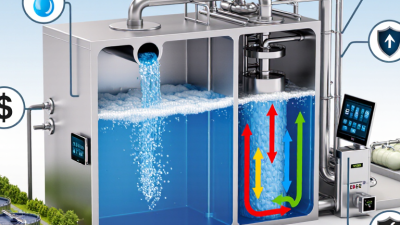
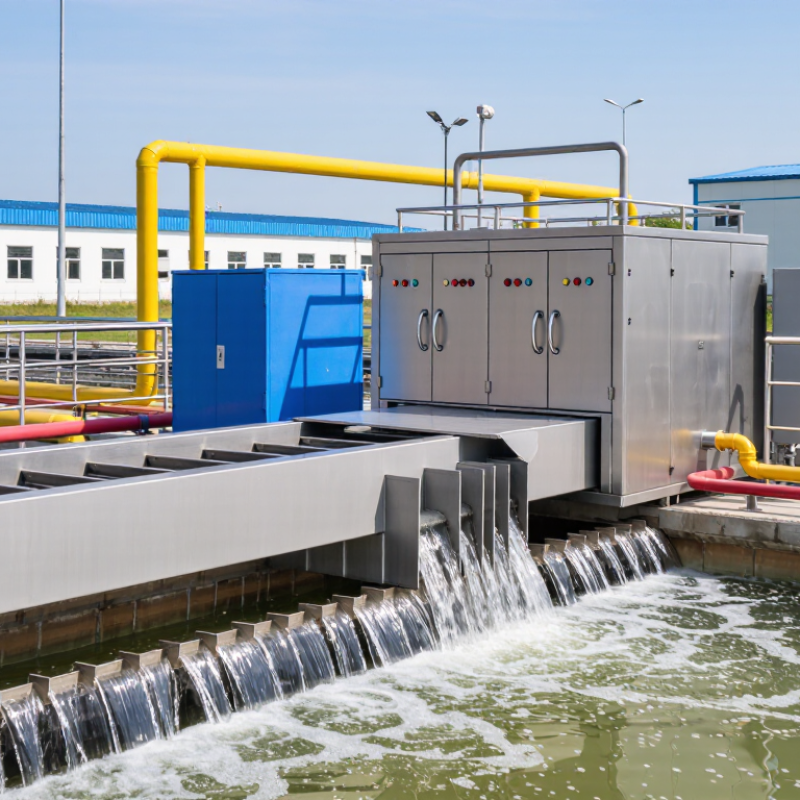
A dissolved air flotation system is a water treatment unit that separates suspended solids, oils, and some microorganisms from liquid. It works by dissolving air into a pressurized recycle stream. When this stream enters the flotation tank, pressure drops and tiny bubbles form. These bubbles attach to particles and carry them upward.
Operators usually collect the floating layer with a surface scraper. Clearer water leaves through an outlet below the surface. Coagulation and flocculation often improve performance by joining fine particles into larger, stronger flocs. In practical operation, pH, chemical dosage, recycle flow, air pressure, and hydraulic loading must remain balanced. A small change can affect the sludge blanket within minutes.
The equipment needs more than a polished specification sheet. Experienced teams inspect bubble distribution, scraper movement, sludge texture, and treated-water turbidity during commissioning. Grab samples can reveal problems that instruments miss. A thick, watery float may indicate weak flocs or excessive water capture. A thin blanket may suggest poor particle capture or insufficient air.
It is not a perfect process. Very light particles can escape. Excessive chemicals may increase sludge production and operating costs. Maintenance access also matters, especially around pumps, valves, and the pressure vessel. A reliable supplier should explain design assumptions, testing methods, material selection, and realistic treatment limits without promising universal results. Different wastewater requires different trials.
How Does a Dissolved Air Flotation System Work?
China Best Dissolved Air Flotation System Supplier?
How Does a Dissolved Air Flotation System Work?
A dissolved air flotation system separates suspended solids, oils, and grease from wastewater. Treatment usually begins with coagulation and flocculation. Chemicals help small particles form larger, stronger flocs. The conditioned water then enters the flotation tank.
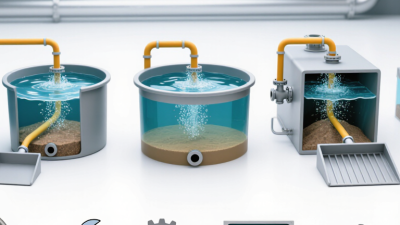
A portion of clarified water is recycled and pressurized with air. When pressure drops, tiny bubbles form, often smaller than a grain of rice. These bubbles attach to flocs and lift them toward the surface. A slow-moving scraper removes the floating sludge. Heavier particles may settle in a lower hopper, while treated water leaves through an outlet channel. The process looks simple. Control matters more.
Operators should check pressure, recycle flow, chemical dosage, and sludge thickness daily. A practical trial with real wastewater is more reliable than a brochure. Water temperature and particle type can change flotation performance. One common mistake is using excessive chemical dosage. It may produce more sludge and raise operating costs.
Tips: Keep the air-release nozzles clean. Measure turbidity before and after treatment. Adjust polymer dosage gradually. Record every change, even small ones. A qualified supplier should explain these settings clearly and provide test data, maintenance guidance, and realistic capacity limits.
What Makes a China-Based DAF Supplier the Best Choice?
China Best Dissolved Air Flotation System Supplier?
What Makes a China-Based DAF Supplier the Best Choice?
A strong China-based DAF supplier combines practical engineering with disciplined manufacturing. In wastewater projects, performance depends on more than tank size. Saturation pressure, recycle flow, scraper speed, and chemical contact time must match the actual water quality. Small errors can reduce flotation efficiency quickly.
Details matter. An experienced supplier should review influent data, peak flow, oil content, suspended solids, and temperature before preparing a design. Clear drawings, process calculations, material specifications, and factory test records show professional responsibility. Operators also need simple controls, accessible pumps, and safe sludge discharge points. These details matter during long shifts.
Manufacturing depth is another advantage. China offers established supply chains for stainless steel, pumps, control panels, and pressure vessels. This can support competitive pricing and faster customization. However, a low quotation is not proof of value. I have seen projects where cheap components created higher maintenance costs later. No supplier is perfect. A reliable partner admits design limits, explains energy use, and provides realistic removal expectations. Remote commissioning, spare parts planning, and responsive technical communication also influence long-term reliability. A supplier that documents changes and answers difficult questions deserves closer attention.
Which Industries Benefit Most from China-Made DAF Systems?
China-made dissolved air flotation systems are especially valuable in industries producing oily, greasy, or highly suspended wastewater. Food processing plants often gain the clearest benefit. Meat, dairy, and vegetable facilities release fats, proteins, fibers, and cleaning residues. A well-designed DAF unit can remove these pollutants before biological treatment. The result is less loading on aeration tanks and fewer floating solids near discharge points.
Oil storage, petrochemical, and metal-processing facilities also use DAF systems for oil-water separation. Textile factories can apply them to remove color-bearing solids, fibers, and chemical flocs. Pulp and paper mills benefit from recovering fine fibers and reducing turbidity. Municipal wastewater plants may use DAF during peak flows or for tertiary polishing. Mining operations can consider DAF when wastewater contains fine particles that settle poorly.
Practical performance depends on more than the equipment nameplate. Operators must test coagulant dosage, recycle pressure, air-to-solids ratio, and hydraulic loading. Stainless steel construction may suit corrosive environments, while automated sludge skimmers reduce daily labor. Field experience shows that poor pretreatment can weaken even a strong system. A low purchase price can hide higher polymer use or difficult maintenance. It is not a universal answer. Some wastewater still needs filtration, biological treatment, or advanced oxidation. Chinese manufacturers can offer flexible layouts and competitive fabrication, but buyers should verify pilot-test data, material certificates, control logic, spare-parts access, and local service capability before installation.