
Leave Your Message
In 2026, choosing a Mini Dosing Pump is less about finding one universal winner and more about matching the pump to the process. A compact diaphragm pump may suit steady chemical feed, while a peristaltic model can simplify tubing changes and fluid isolation. Stepper-driven and piezoelectric designs bring different approaches to metering, control, and footprint. The details matter. A few milliliters per hour, a narrow cabinet shelf, or a viscous additive can change the best choice.
This guide compares the leading mini dosing pump types by operating principle, metering needs, maintenance, and practical fit. It also considers what happens beyond a product datasheet: tubing wear, pulsation, priming, and how easily an operator can adjust output. No named expert quotation or supporting article was included in the supplied material, so I cannot responsibly attribute a quote to a specialist. That gap matters; an invented quotation would weaken a technical comparison. The ranking should be treated as a decision aid, not a universal verdict. Real installations vary, and even a promising design can disappoint when fluid properties or operating conditions are overlooked. **Small pumps. Real trade-offs.**
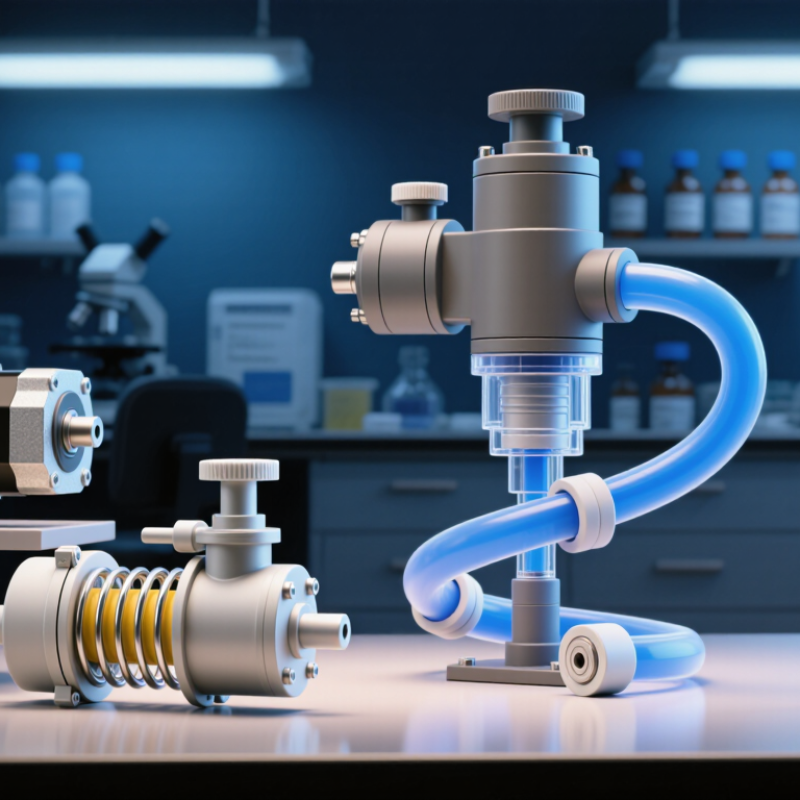
A mini dosing pump is usually a compact metering pump, not a universally defined size class. Manufacturers and engineers may describe “mini” by low flow, small footprint, or modest chemical volume. Those limits vary. Check the rated flow range, pressure, and accuracy rather than relying on the label alone.
Classification starts with the pumping mechanism. Diaphragm models move liquid with a flexing membrane; peristaltic models squeeze tubing with rollers; piston or plunger models use a moving cylinder. Drives provide another distinction: solenoid, motor, or manually adjusted. The U.S. Department of Energy’s Improving Pumping System Performance report (2006) estimates that pumping systems use nearly 20% of global electricity demand. That figure covers pumps broadly, not mini dosing units, but it underscores why matching a pump to its duty matters. A tiny unit can still waste energy or deliver uneven doses. Consider the liquid’s viscosity, required flow, pressure, and whether tubing or wetted parts need frequent replacement. The boundary between “mini” and standard is not always tidy. Verify performance under real operating conditions.
| Pump Type | How It Is Defined | Typical Dosing Characteristics | Common Strengths | Key Considerations | Typical Uses |
|---|---|---|---|---|---|
| Mini diaphragm pump | A reciprocating diaphragm changes the volume of a pumping chamber. In many designs, inlet and outlet check valves direct the liquid flow. | Intermittent or pulsed flow; output is commonly adjusted through stroke length, stroke frequency, or drive control. | The diaphragm separates the liquid from many moving drive components. Suitable designs can handle corrosive liquids and provide repeatable dosing. | Check-valve performance can be affected by particles, viscosity, gas, and suction conditions. Pulsation may require damping in sensitive systems. | Water treatment, laboratory systems, chemical feed, and compact process equipment. |
| Mini peristaltic pump | Rollers or shoes compress flexible tubing and move liquid through it. The pumped liquid contacts the tubing rather than the pump head. | Flow is generally linked to rotor speed and tubing dimensions; delivery is pulsating and depends on tubing condition. | Simple fluid path, convenient tubing replacement, and reduced risk of cross-contamination when the tube is changed. | Tubing wears and may need periodic replacement. Pressure capability, chemical compatibility, and accuracy depend on the tubing and pump design. | Sampling, reagent transfer, small-scale dispensing, and applications where a replaceable fluid path is useful. |
| Mini piston or plunger pump | A piston or plunger moves within a cylinder to draw in and discharge a defined volume, usually through inlet and outlet valves. | Can deliver precise, repeatable strokes; output is often pulsed and depends on displacement, stroke rate, and system conditions. | Can produce relatively high pressure and controlled low-volume delivery in a compact design. | Seals and valves must suit the fluid. Abrasive or particle-laden liquids can increase wear; maintenance and priming requirements vary by design. | Analytical instruments, high-pressure fluid delivery, and precise chemical or reagent dosing. |
| Mini syringe pump | A motor-driven mechanism advances a syringe plunger to dispense liquid from a syringe at a controlled rate. | Typically suited to low flow rates and finely controlled delivery; flow depends on syringe size and plunger movement. | Well suited to accurate, low-volume dispensing and small-scale laboratory work. | Capacity is limited by syringe volume. Syringe changes, compliance in the fluid path, and setup quality can affect performance. | Laboratory experiments, microfluidics, analytical testing, and small-volume infusion or reagent delivery. |
| Mini gear pump | Meshing gears carry liquid from the inlet to the outlet in spaces between the gear teeth and housing. | Rotary and generally continuous flow; delivery is related to rotational speed and the pump’s displacement. | Compact construction and relatively smooth flow with compatible, clean liquids. | Clearances and materials must match the liquid. Particles, poor lubrication, or unsuitable viscosity can affect wear and performance. | Metering and transfer of compatible oils, inks, coatings, and other clean liquids. |
| Mini solenoid-driven metering pump | An electromagnetic actuator drives a diaphragm or plunger through repeated strokes. It is a drive configuration, often paired with a diaphragm pumping head. | Usually delivers discrete pulses; dose rate is commonly adjusted by changing stroke frequency or stroke settings. | Compact actuation and straightforward electronic control can suit on/off or timed dosing systems. | Flow is pulsed, and actual delivery can vary with back pressure, suction conditions, fluid properties, and valve behavior. | Compact chemical feeders, water-treatment equipment, and automated dosing systems. |
Definition and classification: “Mini dosing pump” is a descriptive term rather than a universally standardized size category. These pumps are commonly classified by pumping mechanism, drive method, metering behavior, and the fluids and operating conditions they are designed to handle. Flow, pressure, accuracy, and compatibility are model-dependent; consult the pump specifications for selection.